A reset with a price tag
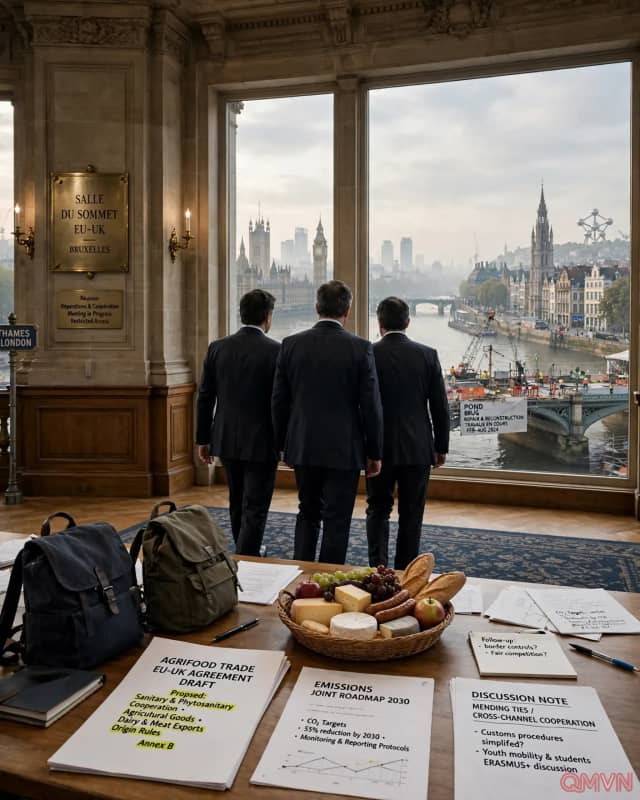
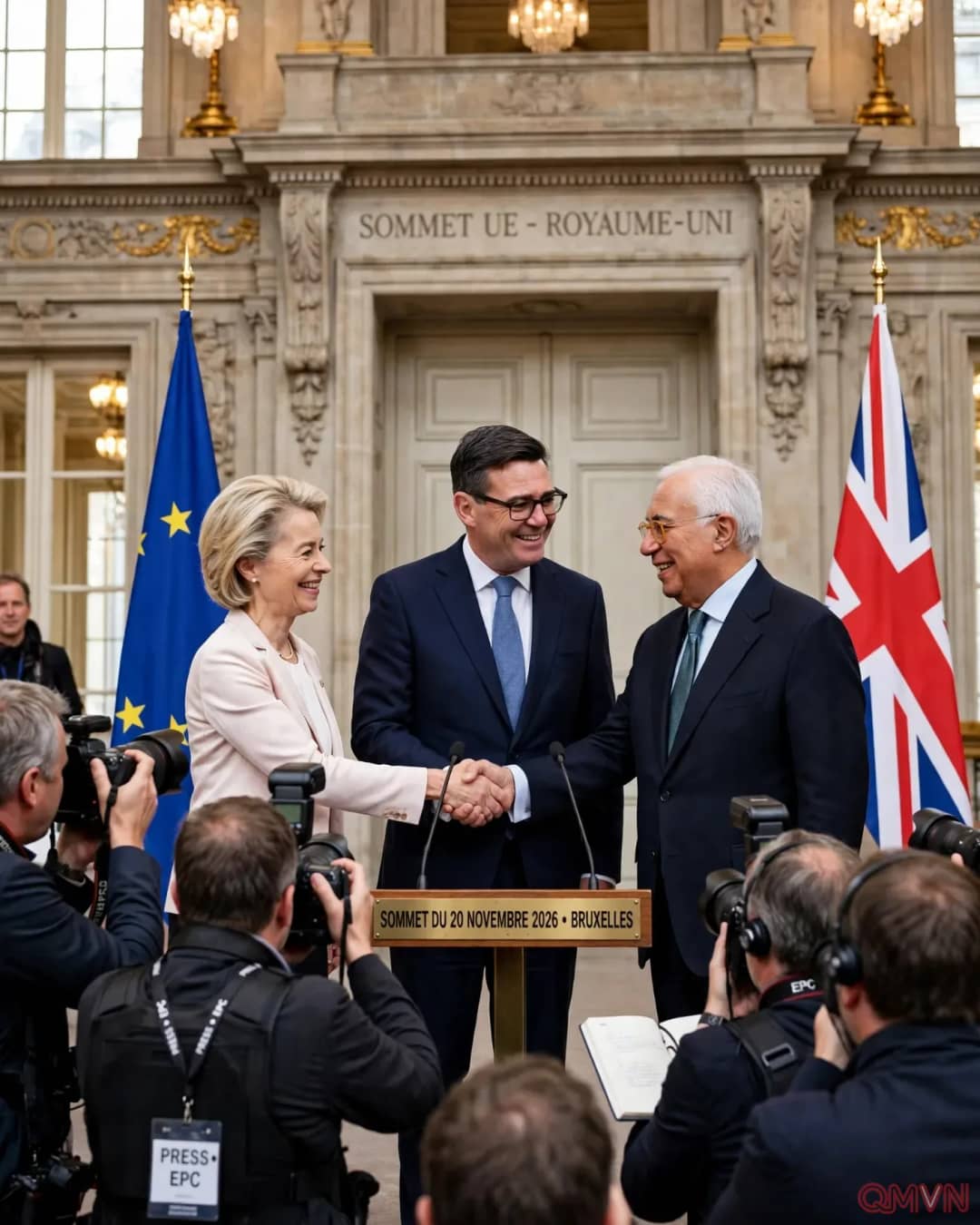
Burnham said he wanted to draw a line under a decade of drift and division. The agreement reached with European Commission President Ursula von der Leyen and European Council President António Costa covers four main areas:
- An end to most post-Brexit checks and restrictions on food and agricultural exports to the EU, which Burnham said would cut the cost of the weekly shop.
- A youth experience scheme offering 100,000 visas a year to Europeans aged 18 to 31 to work and study in Britain, double the 50,000 London first proposed.
- An exemption for some British exports, including steel and aluminium, from the EU's carbon border tax.
- A structured dialogue on migration aimed at the trafficking networks behind small-boat crossings of the Channel.
The government says the package will boost the economy by £17bn by 2040. Burnham called it a win-win, while conceding that such incremental steps can take Britain only so far.
The tuition-fee ambush
The celebrations were tempered by a last-minute intervention. EU member states rejected a draft negotiated by the European Commission and insisted the deal would be implemented only if European students at British universities pay the same fees as their British classmates. Since Brexit, they have generally paid international fees, far above the domestic cap of £9,790 a year. Brussels frames its demand as equal treatment; British universities warn that losing that income could cost them hundreds of millions of pounds.