MAIN REPORT
Two measurements for different decisions
Opposition lawmaker Fadli Fawzi asked whether the National Environment Agency, or NEA, could issue PM2.5 forecasts extending 12, 24 or 48 hours into the future, as comparable services elsewhere do. Such information, he suggested, could help families and organisers plan their routines. Fu responded that displaying too many indicators could complicate the government's message rather than make it more useful.
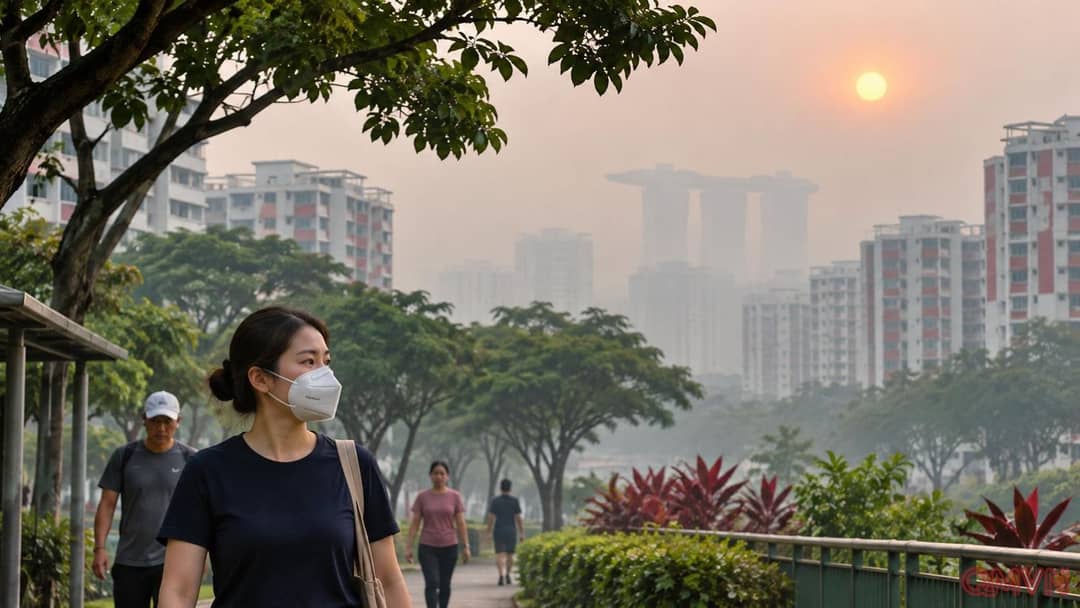
The 24-hour PSI outlook considers current pollution levels, weather at home and across the region, and satellite assessments of fire hotspots and drifting haze. By contrast, hourly PM2.5 readings describe fine particles in the air close to the time of measurement. Singapore derives regional readings from 23 air-monitoring stations, helping people recognise that conditions can differ within the island.
For a run or outdoor errand in the next hour, the immediate PM2.5 reading and associated health advice provide the relevant guide. For an outing tomorrow, the PSI forecast is designed to inform advance planning. Neither measure fully substitutes for the other: one highlights short-lived changes, while the other helps people consider a longer period of exposure.