MAIN ARTICLE
Planning for a different Washington
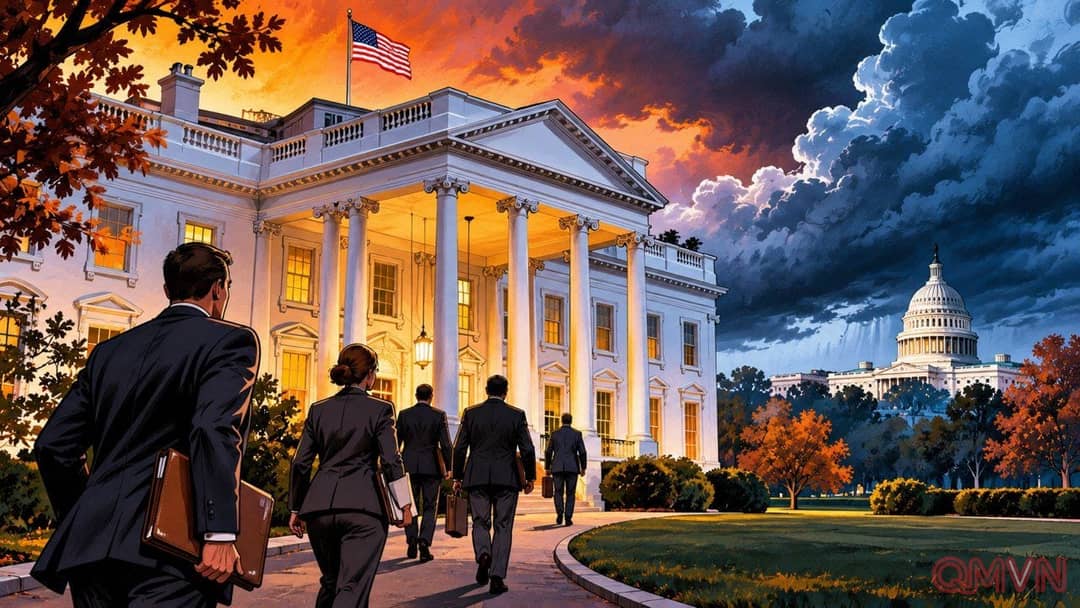
The preparations began in April, according to people familiar with them who spoke to Reuters. Deputy chief of staff Stephen Miller, budget director Russell Vought and White House lawyers have considered actions that would not require Congress to pass fresh legislation. Counsel Will Scharf’s team is examining legal justifications and how to defend any contested measures in court. These are proposals under review, not a list of executive orders already signed.
Republicans currently hold narrow majorities in both chambers. A Democratic victory could make sweeping Trump-backed legislation much harder to enact, even if the presidency stays in Republican hands. Trump has said he may find himself frequently exercising the veto before eventually reaching agreements. That possibility points toward a period of bargaining, legislative gridlock and legal challenges rather than a simple transfer of all governing authority.
Tariffs, visas, housing and federal grants
Options described by Reuters include tariffs on imported critical minerals and wind turbines, tighter visa conditions for international students and temporary workers, and steps intended to lower construction and housing costs. Each would have consequences beyond Washington: manufacturers face input prices, universities depend on overseas students, employers recruit foreign labor, and families wrestle with housing affordability.