MAIN ARTICLE
Everyday bills challenge the promise of economic strength
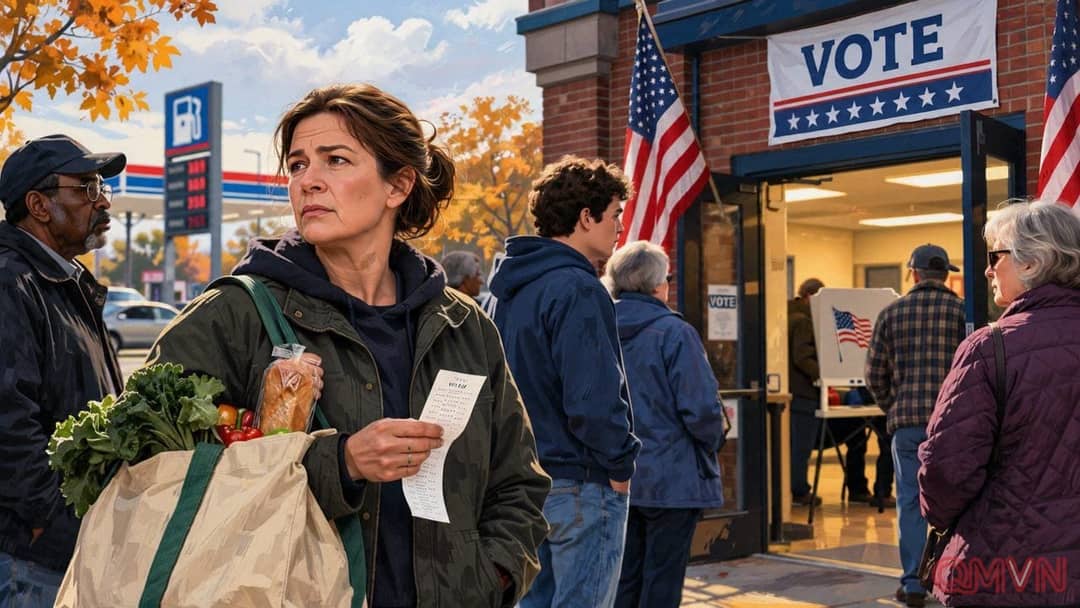
For many Americans, the economy is measured less by aggregate growth charts than by what they pay for groceries, gasoline and electricity. In the survey described by The Wall Street Journal, roughly six in ten voters expressed intense concern about food prices, with a similar proportion strongly worried about gasoline or diesel. Nearly nine in ten called the cost of living a major or crucial factor in choosing their representatives. These figures do not suggest that every voter has the same experience; rather, they show how widely economic insecurity has spread across different communities.
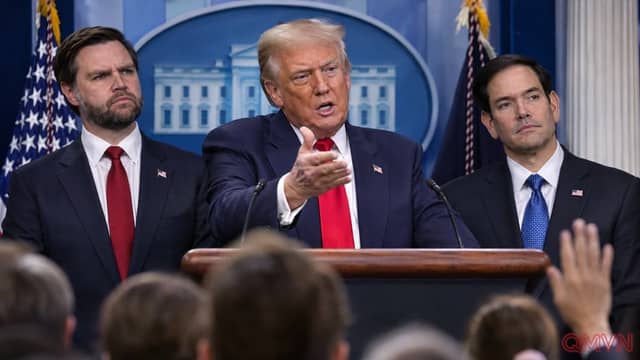
Trump has consistently portrayed the American economy as strong and argued that inflation has fallen. Yet slower inflation does not mean prices have returned to their previous levels. Consumers notice the accumulated cost of the purchases they make every week. Reuters noted that unemployment remained relatively low and economic growth retained resilience, but positive national indicators have not erased the strain at checkout counters. That gap between the administration’s message and ordinary household experience is central to the midterm political challenge.