MAIN CONTENT
A gatekeeper gives way to a policy combatant
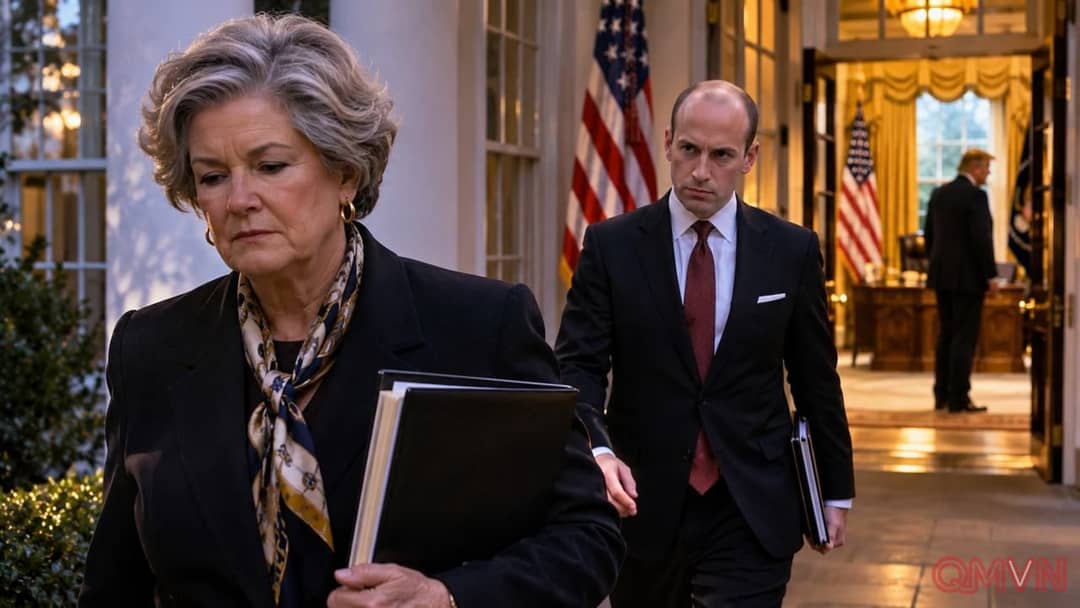
On November 6, Trump announced on Truth Social that Miller, one of his most trusted advisers, would take over on Monday, November 9. He praised Wiles for outstanding service. Reuters and CBS reported that she submitted her resignation on November 5, following Republican midterm losses. Rather than leave the president's orbit, she will join his political operation. The official announcement did not assign personal blame to Wiles for the electoral defeat, even though anonymous accounts suggest her influence had waned.
Wiles had helped manage Trump's successful 2024 campaign and became a stabilizing presence during his second term. In contrast with a first administration famous for competing factions and constant turnover, her team tried to regulate access to the president, maintain schedules and coordinate decision-making. She did not fundamentally oppose Trump's policy agenda; her distinguishing contribution was the machinery used to deliver it. Removing that central organizer could open greater space for rival officials and advisers to compete for influence.
Reports of a deteriorating relationship with the president rest largely on accounts from people close to the administration. The Times described complaints from MAGA activists who believed Wiles blocked tougher ideological initiatives. Such claims about internal motives and private discussions cannot all be independently verified. What is visible is the choice Trump made: he promoted an adviser with a sharply defined political identity at a moment when the presidency faces greater institutional resistance.