American college sports and the issues arising from commercialization
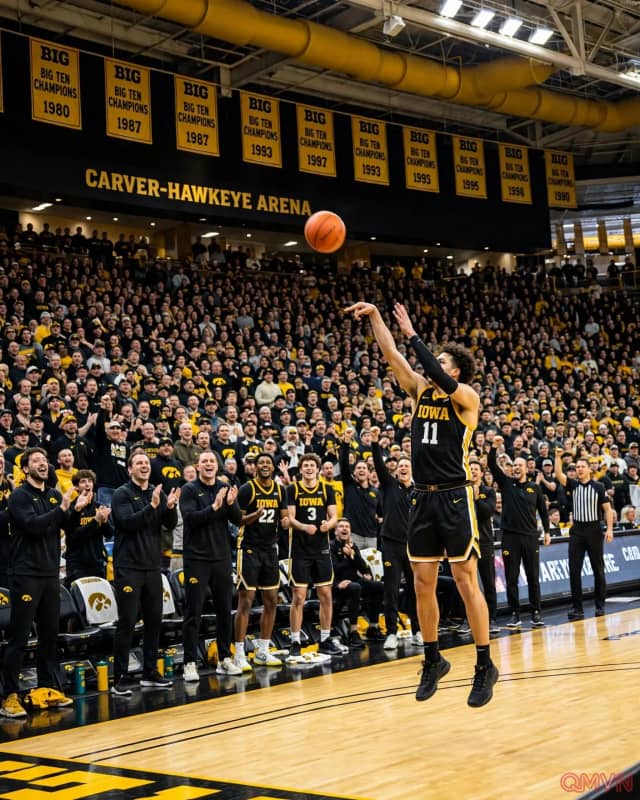
College sports in the U.S. have long been deeply influenced by commercial factors. Currently, financial gains seem to have become the primary goal of these sporting events. Athletes frequently transfer schools every season, while negative phenomena such as betting on their own matches have also emerged. Standards for competitive performance and athletes' rights are increasingly lax, with some professional athletes even attempting to compete for college teams.
This situation has caused widespread dissatisfaction among various parties, including courts, lawmakers, university administrators, educators, fans, and even student athletes themselves. However, the question of replacing the current model with an alternative remains unanswered.
The development and challenges of the NCAA
The National Collegiate Athletic Association (NCAA) was established in 1906 to set safety standards for American football. Over time, this organization has developed into a large governing body, comprising member universities. Although members do not always agree, one core principle has remained steadfast: college athletes are not allowed to receive salaries.
The amateurism principle, while valuable, helps athletes access training and a high-level competitive environment, fostering qualities such as perseverance and confidence, while also benefiting from campus traditions and academic degrees. For the majority of the half-million student-athletes in the U.S., these benefits are seen as reasonable compensation for their intense commitment.