A Visit at a Difficult Moment
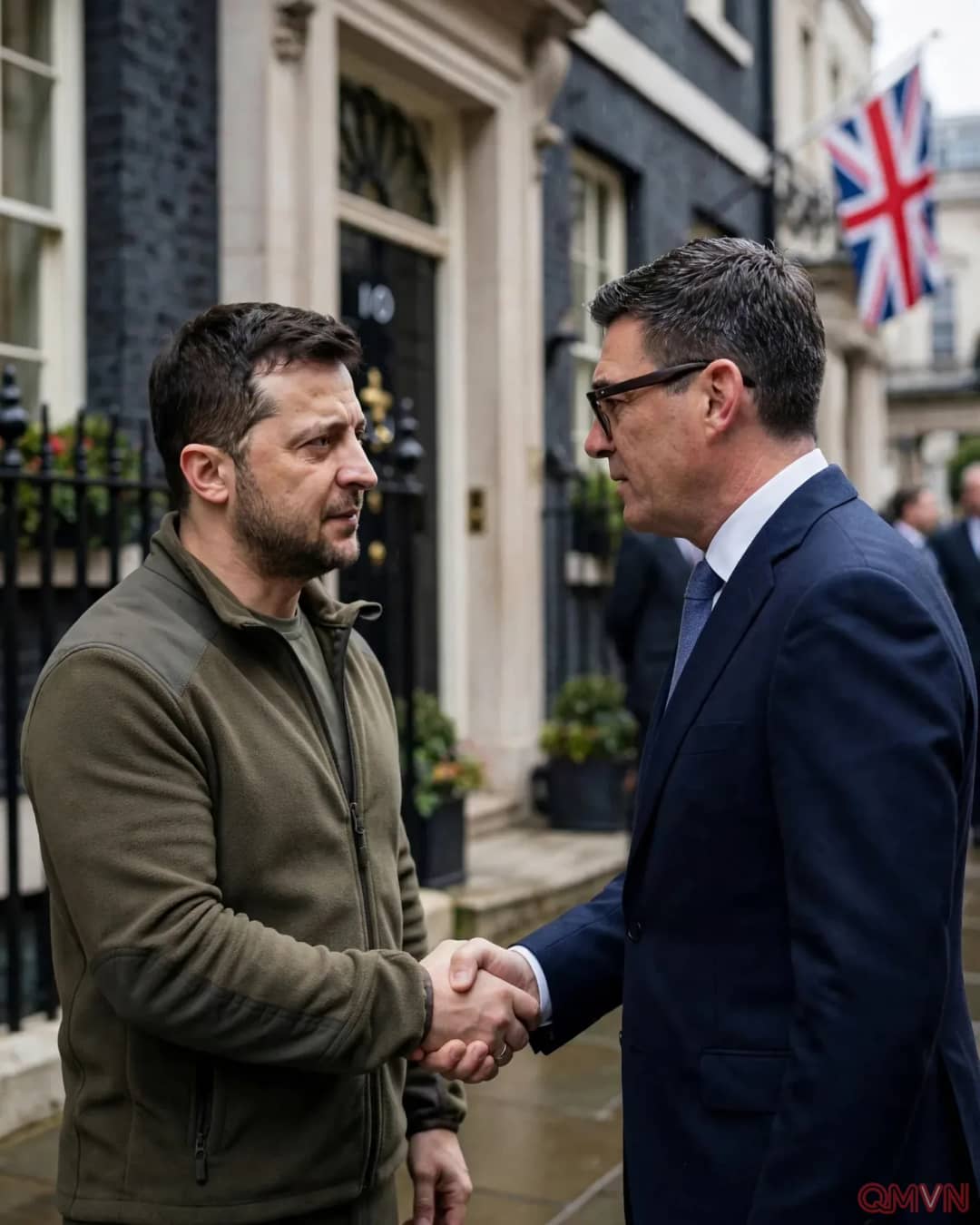
The London meeting comes as Zelenskiy faces heavy pressure from Washington. At the weekend, Trump said Ukraine’s leader should be replaced, days after the US struck a deal with Moscow to lift sanctions on Russian diesel exports.
Against this backdrop, support from European allies – especially Britain, one of Kyiv’s most steadfast backers since the start of the war – has become all the more important for Ukraine.
A Pledge From London
Before the meeting, Prime Minister Burnham issued a statement saying that backing Ukraine is vital to keeping people in Britain safe, and pledged further military support.
My message to the Ukrainian people could not be clearer, we are with you for as long as it takes, and we will go further and faster in our support to back your courageous fight for peace in Europe.
The strong words are seen as a continuation of support for Ukraine across several British prime ministers, despite changes in London’s political landscape.
What the Package Contains
According to the British government, the new commitments include:
A £45m package of surface-to-air missiles used to target jet-powered Russian drones.
£10m of that package fast-tracked to meet an urgent need in Ukraine.
Officials asked to draw up further sanctions, military aid and fiscal support.
Britain’s foreign and finance ministers lobbying allies to ban maritime services supporting Russian liquefied natural gas exports.
The focus on air defence reflects Ukraine’s real needs as its cities and energy infrastructure come under constant attack from Russian drones and missiles.
Diverging From Washington
Britain has said it does not support the US-Russia diesel deal. While Washington argues that easing sanctions could help lower fuel prices and draw Moscow back to talks, London maintains that sustained economic pressure is the way to force the Kremlin to end the war.
The difference highlights a notable crack in the special relationship between Britain and the United States over Ukraine, and raises questions about the West’s ability to maintain a united stance.
Squeezing Russia’s Energy Revenues
Alongside military aid, London is pushing measures targeting energy revenues – the financial lifeblood of Russia’s war effort. A ban on maritime services for liquefied natural gas exports aims to make it harder for Moscow to ship and sell LNG on world markets.
The success of this strategy depends on whether allies follow suit. A unilateral measure can send a strong political message, but only broad coordination can truly erode Russia’s resources.