MAIN STORY
Practical partnerships despite geopolitical strain
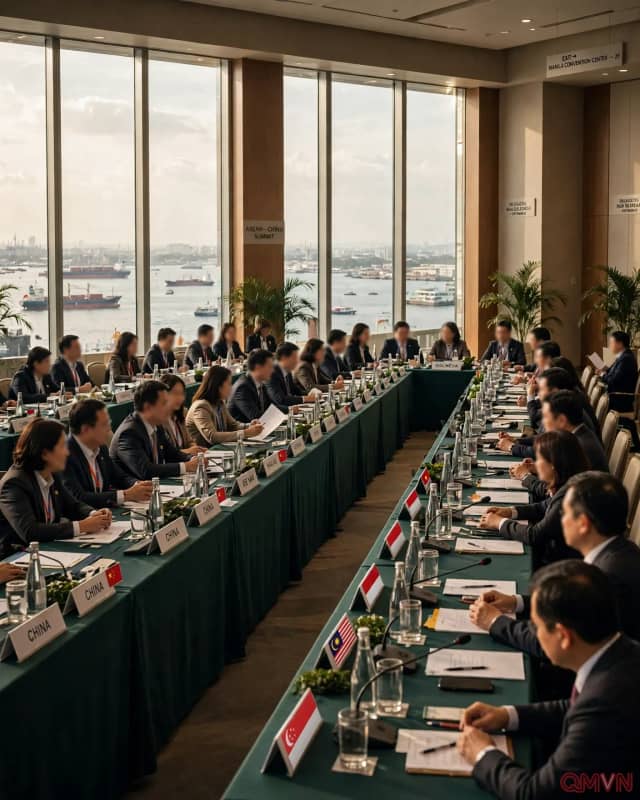
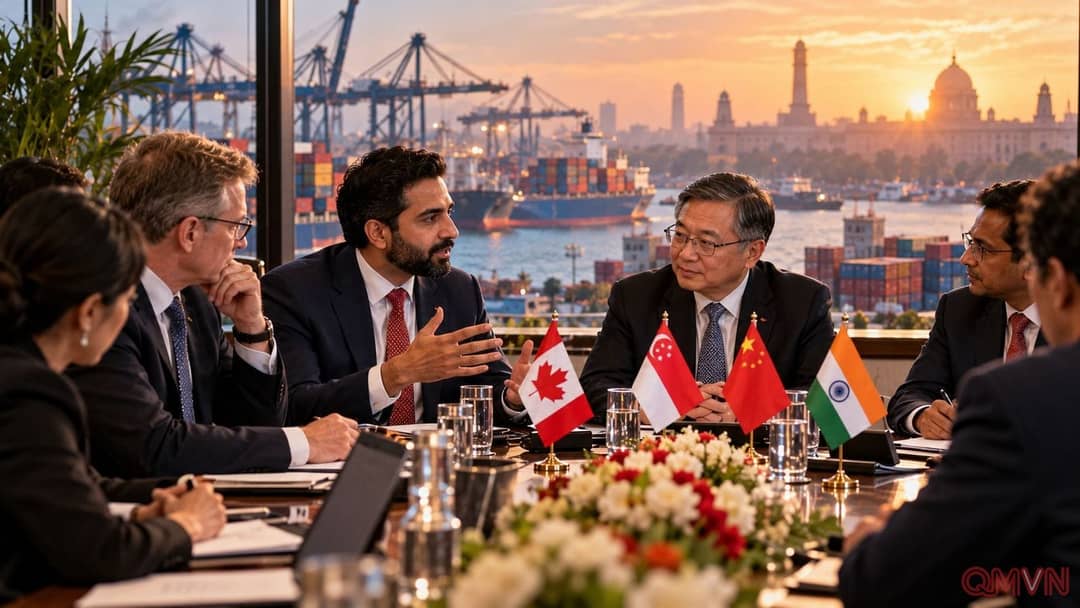
Speaking on a panel about the scramble for self-sufficiency, Maninder Sidhu described China as Canada's second-largest trading partner. He singled out energy storage as a technology of interest, while noting agricultural exports such as canola and beef. The commercial logic is complementarity: Canada brings natural resources and food-production capacity; China brings industrial scale and an extensive technology ecosystem. Whether those strengths translate into new commercial opportunities depends on market rules and political conditions.
The significance of Sidhu's remarks lies in the decision to keep channels open, not in the signing of an agreement at the forum. Investment screening, market access and shifting relationships among major powers remain real hurdles. For businesses, diplomatic reassurance can reduce uncertainty, but it cannot substitute for purchase contracts, reliable freight routes and transparent regulation.
Singapore makes connectivity a strategic priority
Gan Kim Yong said Singapore and China would continue a strong working relationship across the economy. That reflects the structure of Singapore's outward-looking economy, whose ports, financial services and advanced industries depend upon cross-border flows.