MAIN ARTICLE
Peace and stability require dialogue backed by rules
Wong began with the importance of keeping Southeast Asia peaceful and stable. He credited China with participating in ASEAN-led arrangements such as the East Asia Summit, ASEAN Regional Forum and ASEAN Defence Ministers’ Meeting-Plus. Such forums cannot settle every dispute. Their value lies in ensuring that governments with competing interests continue to speak regularly, understand one another's concerns and retain ways to manage dangerous incidents. When strategic competition intensifies, those habits can become a form of regional resilience.
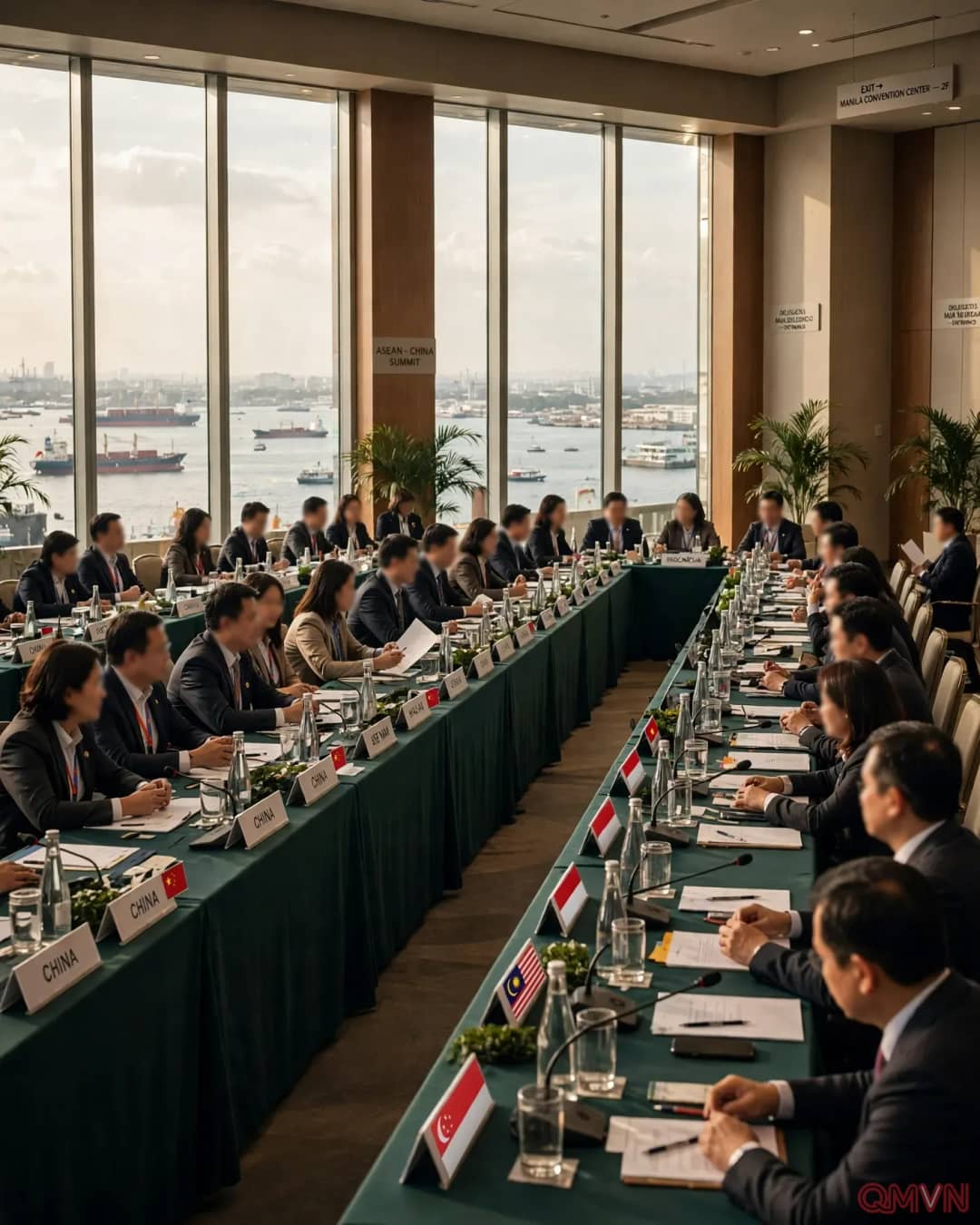
The South China Sea remains the clearest test. Several governments have overlapping maritime claims, and confrontations at sea have complicated relationships. Wong urged a swift conclusion of an effective, substantive code of conduct that conforms to international law, particularly the 1982 United Nations Convention on the Law of the Sea. At the Manila meetings, negotiators reported provisional convergence on roughly 80% of the draft, but sensitive questions—including whether its provisions will be legally binding—remain unresolved. Cooperation, therefore, cannot mean setting disputes aside indefinitely; trust requires rules that all parties can understand and predict.
Singapore will assume ASEAN's rotating chairmanship in 2027, offering an opportunity to sustain talks rather than a guarantee of immediate agreement. In the meantime, restraint, functioning communications channels and respect for the lawful interests of maritime users are essential. A useful agreement must help prevent incidents, not merely produce a document that leaders can celebrate.