MAIN ARTICLE
The multimillion-dollar burden behind a protective wall
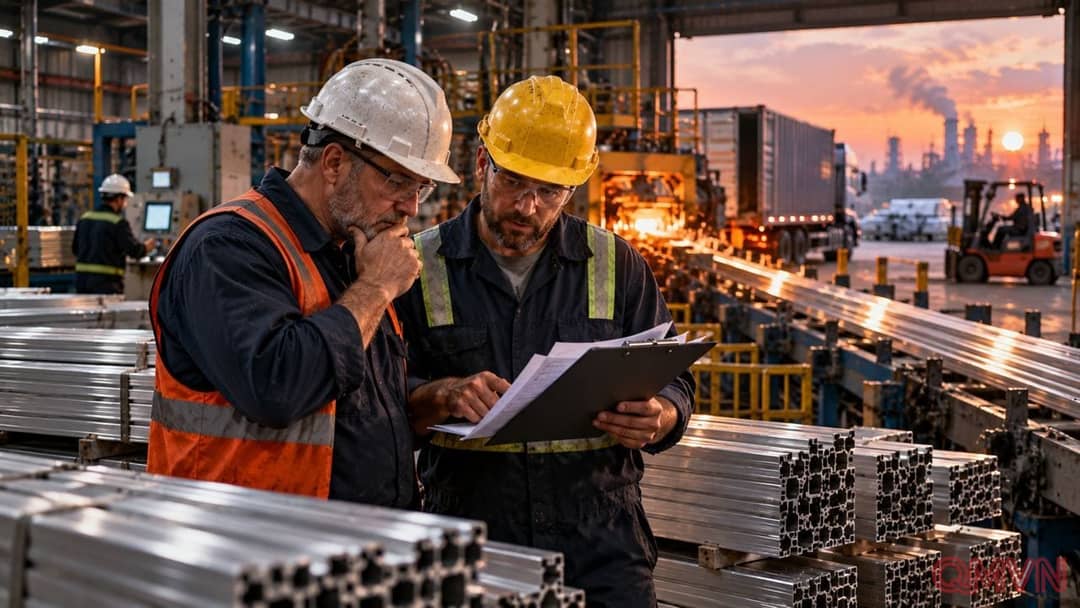
In North Jackson, Shapes Unlimited manufactures and distributes aluminum products used in construction. Its chief executive, Doug Rende, told AFP that import duties, compounded by more expensive transportation, have dramatically increased the company’s bills. His estimate of $4.5 million to $5 million in extra costs this year is a company-reported figure, not an independently audited outcome. Customers will absorb only so much of a price rise, meaning the business has to surrender part of its margins.
Rende said freight surcharges from suppliers have climbed above $6,500 per container. The company has consequently put recruitment on hold while increasing investment in robotic assembly. Such a response can reshape a community over time: a position not filled today is a lost opportunity for a prospective worker tomorrow. Still, it would be wrong to assume that every US producer suffers equally. Outcomes depend heavily on whether a business imports raw materials, competes with imported finished goods or can pass additional costs to customers.
The additional costs are company estimates and depend on contracts and timing.
Tariff rates, freight prices and the ability to pass costs onward operate together.