MAIN ARTICLE
A strategic port with a civilian lifeline
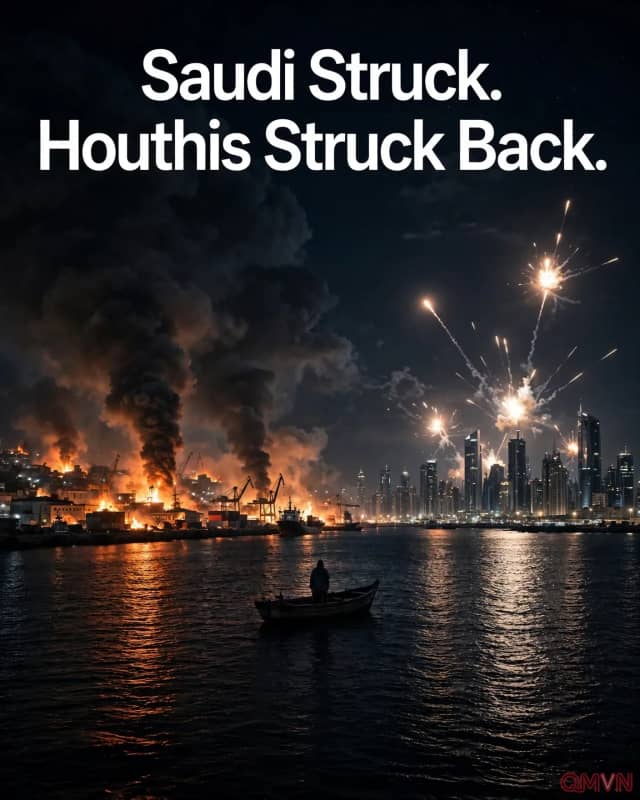
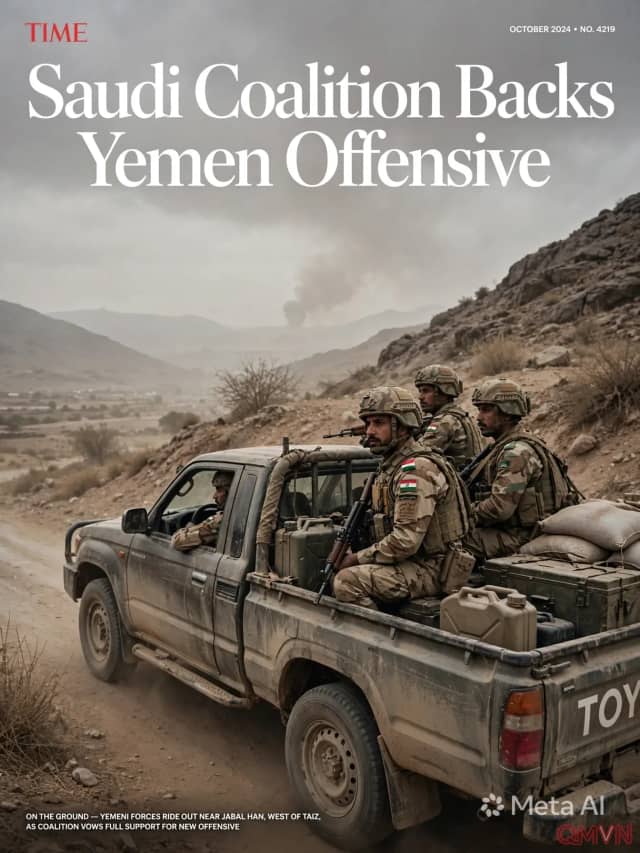
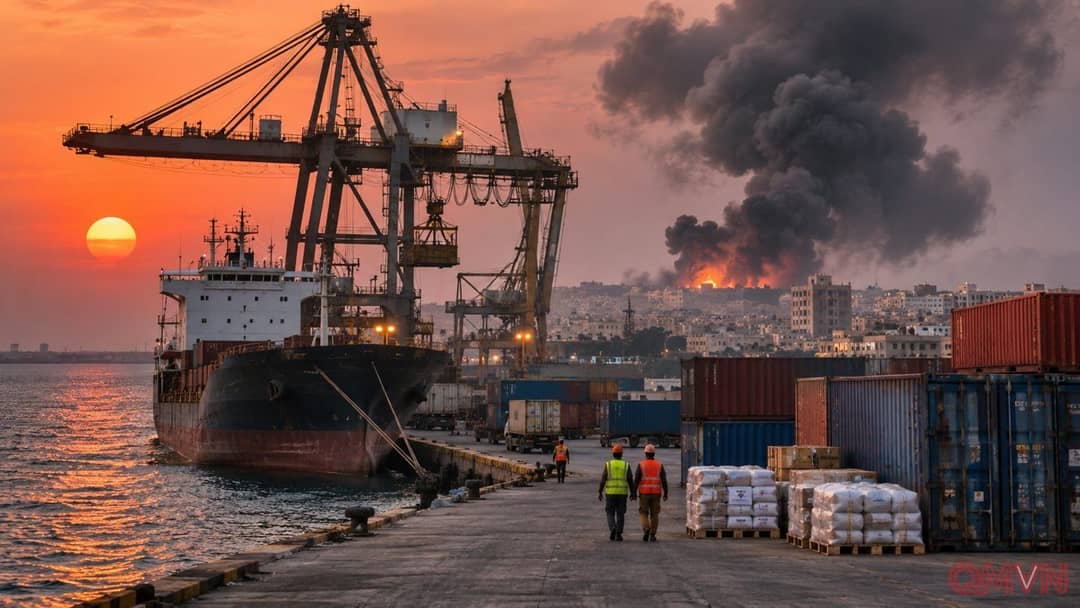
On November 20, the Saudi-led coalition said its aircraft struck Houthi capabilities at Hodeidah, alleging that port facilities helped transport smuggled weapons and ballistic missiles. It had first instructed civilians to leave the area. This is the coalition’s account of its military objectives, not an independent determination of what every affected installation contained.
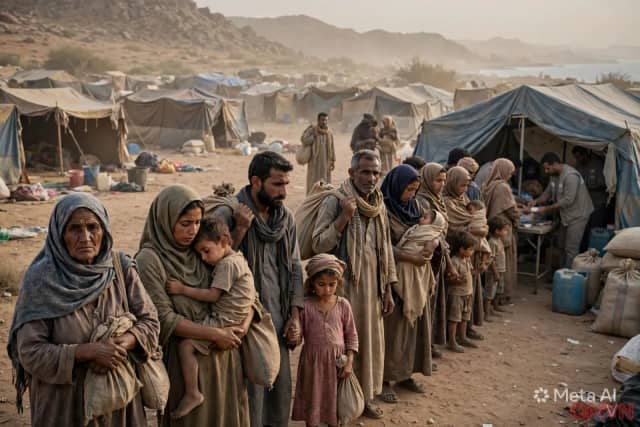
Yet the same port is essential to the arrival of food, fuel and humanitarian goods for northern Yemen. The information minister of Yemen’s internationally recognized government said operations and cargo flows would continue. Keeping a port officially open, however, does not necessarily resolve risks to shipping schedules, port workers, storage facilities and inland distribution when retaliation is threatened.
The United Nations warned against attacks that could interrupt Red Sea supply routes. Governments therefore confront two demands that cannot simply be separated: addressing claims that infrastructure facilitates weapons shipments and preventing civilians from losing access to life-sustaining imports. Military arguments about a commercial port do not erase the needs of the people who depend on it.