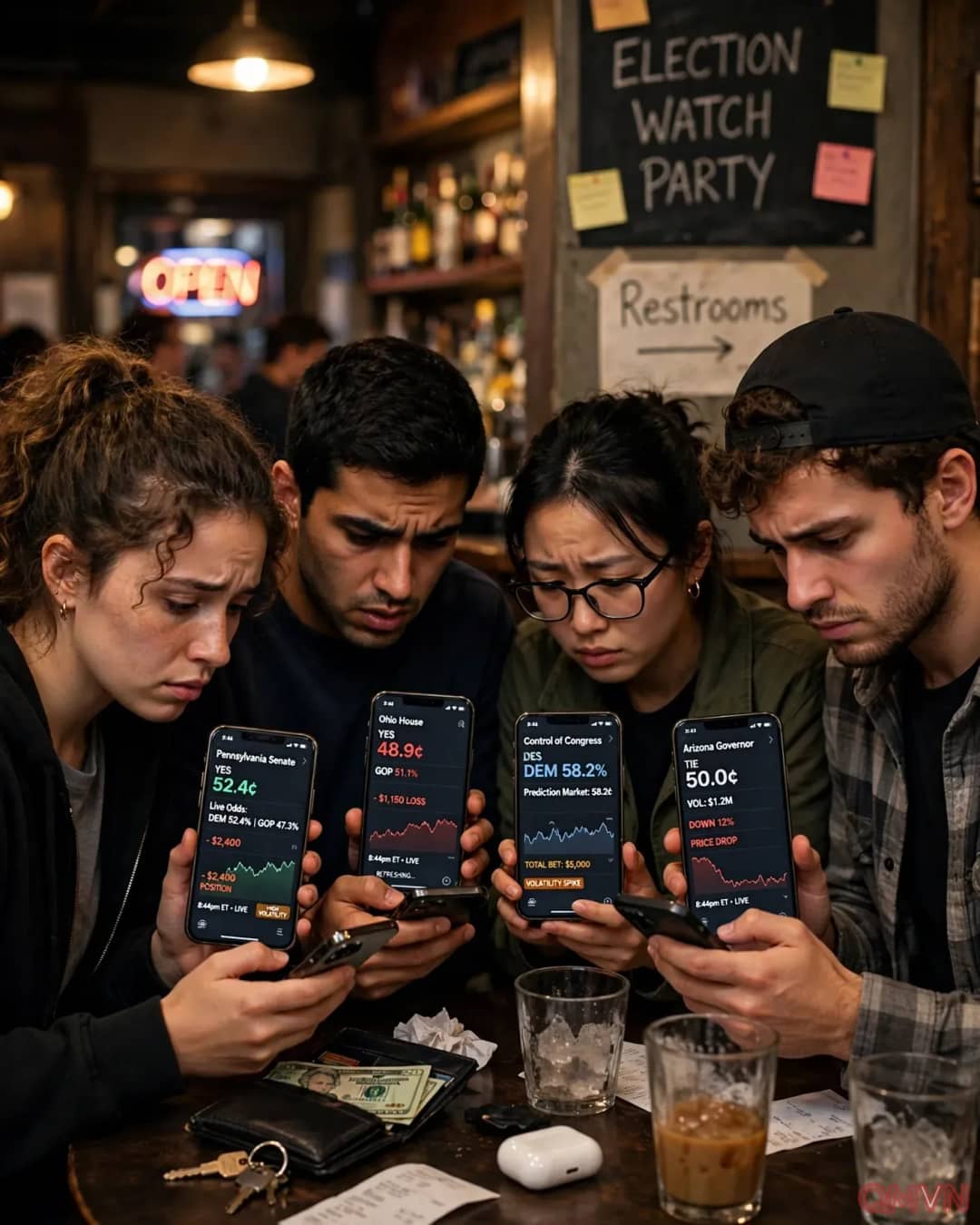
An election night glued to the phone
According to Reuters, when polls close, Noah Poser, 28, will be glued to his phone at a friend's watch party in New York City, tracking dozens of large wagers. A financial technology worker and author of a self-published book on betting strategies, Poser built his own quantitative model. He placed bets worth six figures in total on a strong Democratic showing months ago, when the odds were more attractive, and estimates he could make as much as $30,000.
It's a numbers game; you have to strip your emotions out of it.
Poser is not alone. Across the United States, people are betting on this year's races at record levels. Prediction markets rose to prominence in 2024, when they bucked traditional opinion polls by signaling that Donald Trump would win the presidency. Users buy and sell “yes” or “no” contracts on a range of race outcomes and variables, and total wagers have now topped $1.4 billion.
The rush and the panic selling
Darius Gamble, 51, a human resources business partner in Gardendale, Alabama, has been using the platforms for only two or three months and sets himself a limit of no more than $20 on anything. He is blunt about the nature of what he is doing.