MAIN STORY
A televised appeal and a test of public order
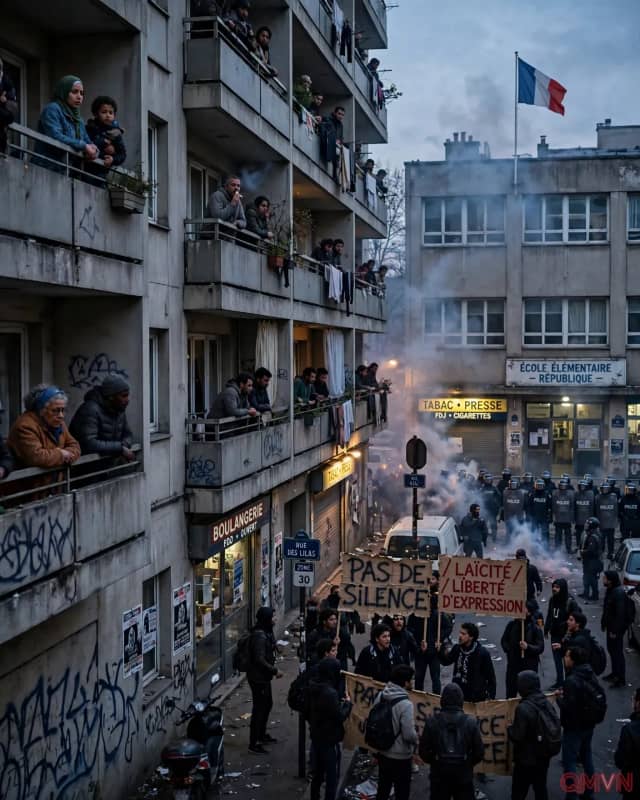
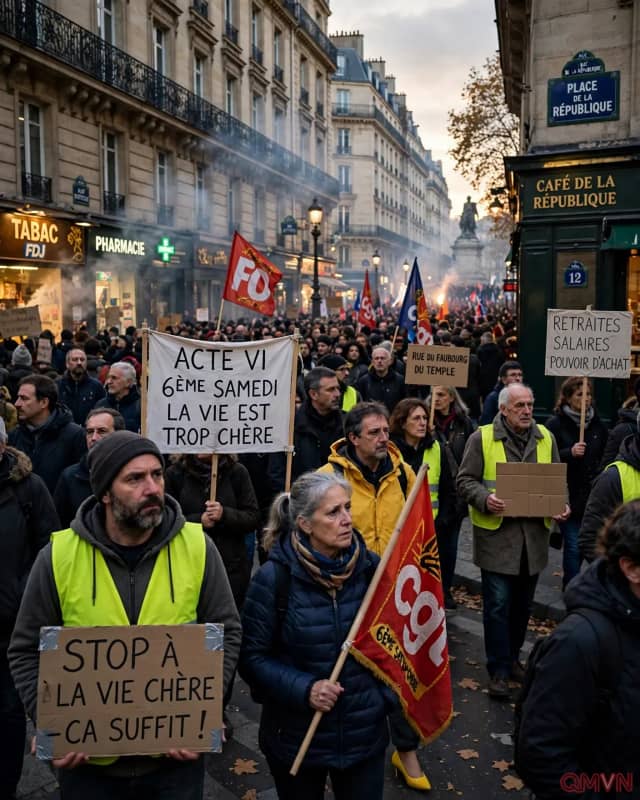
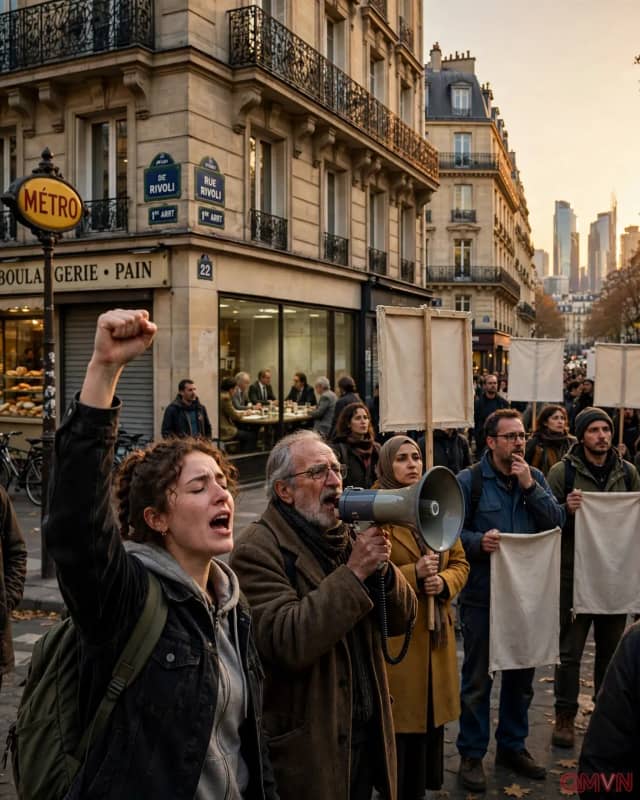
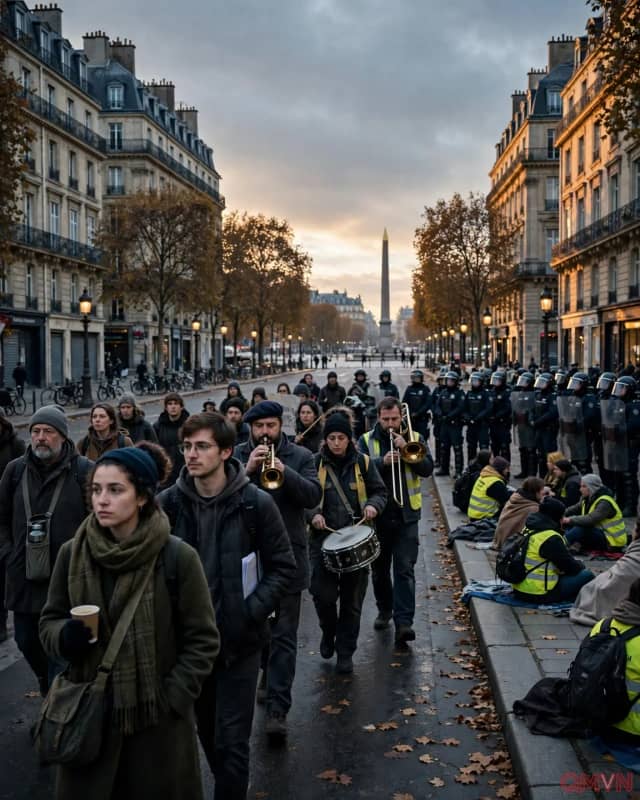
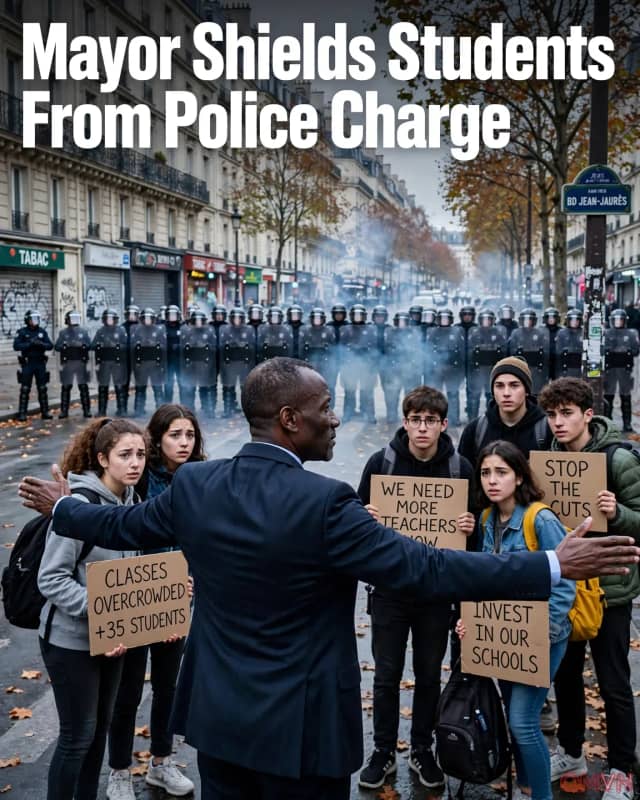
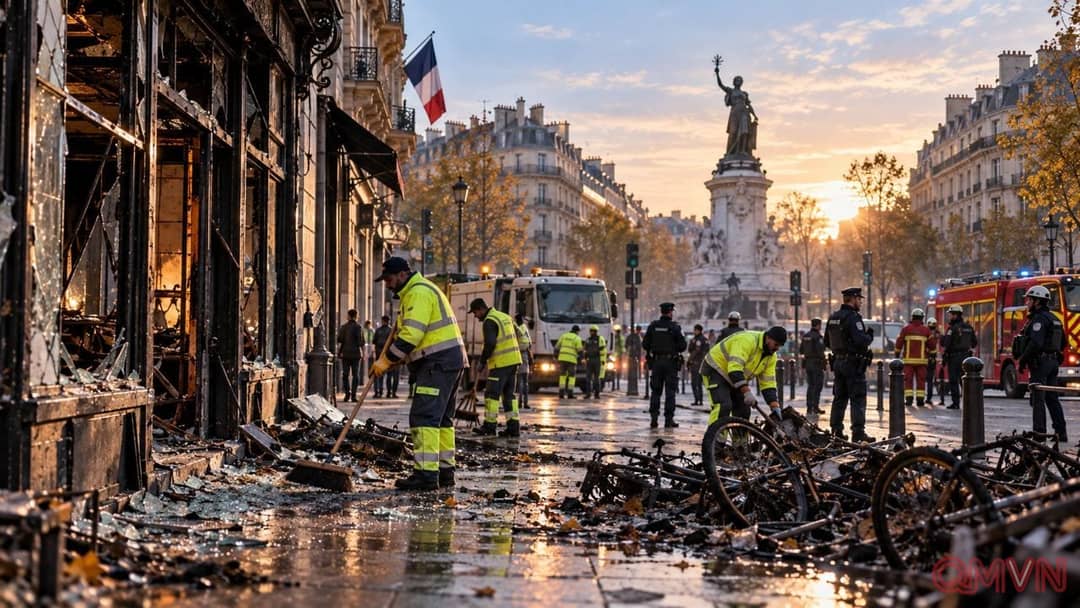
Speaking on Sunday evening, Macron expressed anger and shame at images of torched property and shattered streets. Violence, he said, was not a legitimate substitute for political argument. Yet he made a crucial distinction between peaceful marchers and people who used the demonstrations to attack police, public institutions and shops. That distinction matters: restoring order is one obligation of government, but protecting the right to protest is another.
Macron stopped short of declaring a state of emergency, despite requests from some right-wing politicians. Instead, his government plans to give prefects tools to prohibit individual gatherings where public buildings or businesses face identifiable threats. Such restrictions will be judged by whether they are necessary, proportionate and respectful of the rights of people who have no part in violence.
The human toll and a second day of tension
Interior Minister Laurent Nunez put the arrest tally at 2,400 and said nearly 1,000 police officers and gendarmes had been injured. One protester died following cardiac arrest during Saturday’s demonstrations in Paris.