MAIN CONTENT
Missiles underground, messages above ground
Iranian state television showed a new dual launcher inside an undisclosed underground installation, presenting the equipment as evidence that the country retains offensive capabilities despite months of war. The Revolutionary Guard said the device could fire two liquid-fueled missiles, contrasting with an earlier dual system designed for solid-fueled weapons. Technical claims made during a military demonstration are not equivalent to independent verification of operational performance.
Brigadier General Seyyed Majid Mousavi, commander of the Guard’s Aerospace Force, said the force had expanded its capabilities and introduced new assets into its combat structure. The location of the facility was withheld. The timing of the broadcast mattered: it addressed domestic audiences while challenging assertions from Washington that Iran’s missile infrastructure had been largely destroyed.
A missile display is also a political message. Even without a launch, it signals that a renewed confrontation may carry costs. Yet an exhibition offers little evidence about the condition of the country’s broader arsenal, production capacity or readiness; these remain separate questions for independent assessment.
Three tankers and a threatened shipping corridor
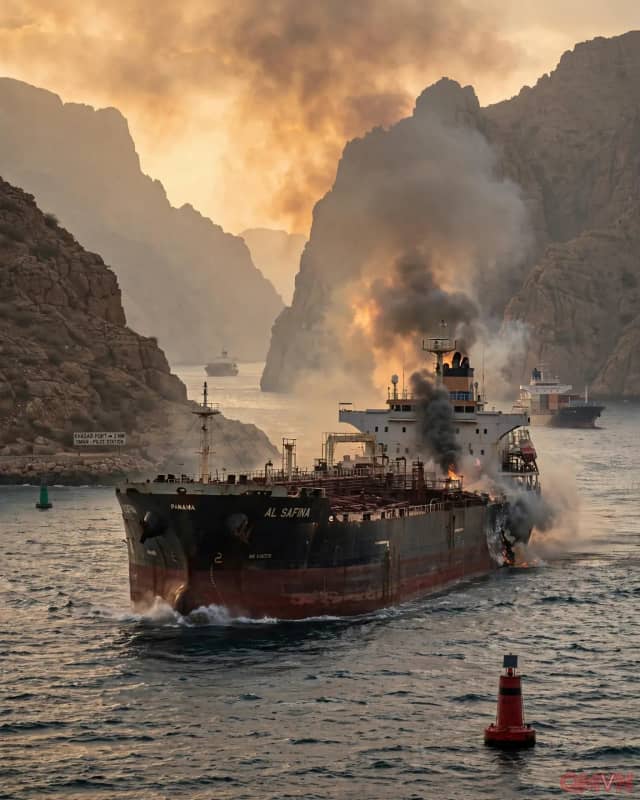
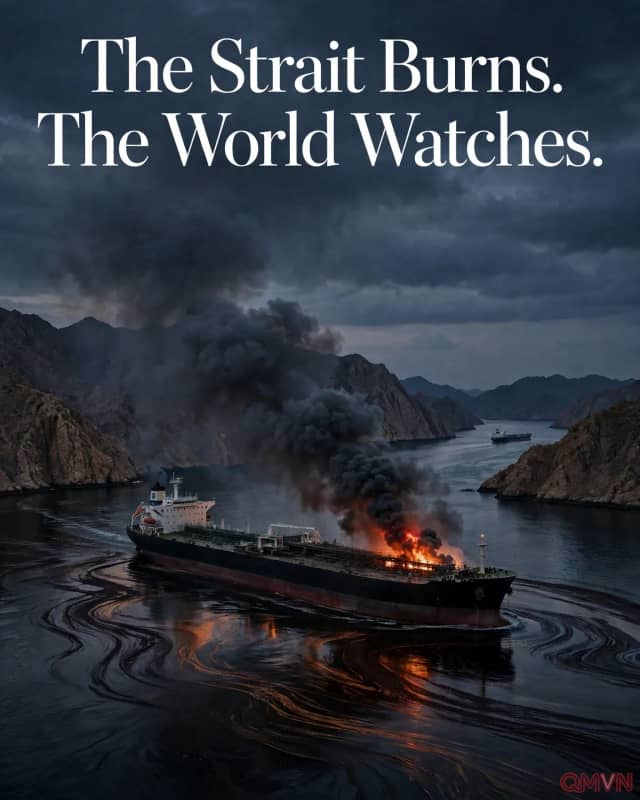
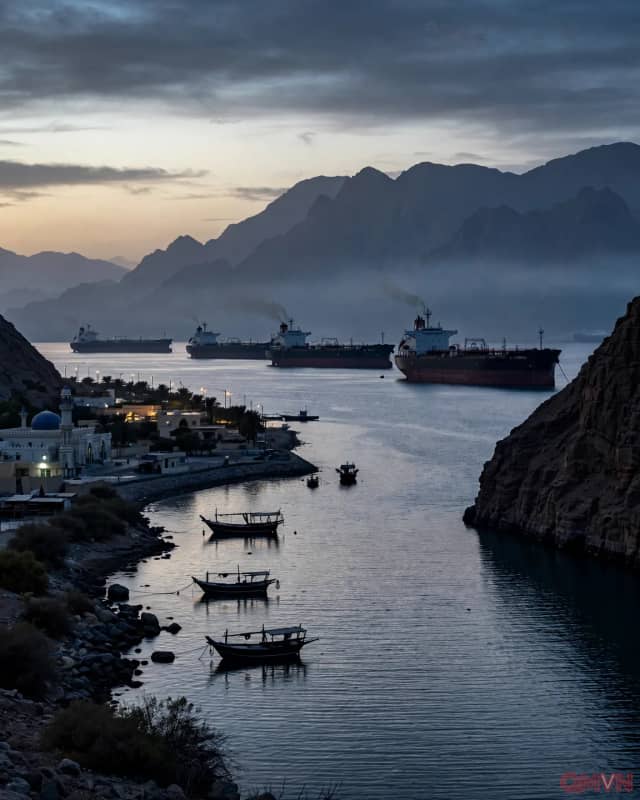
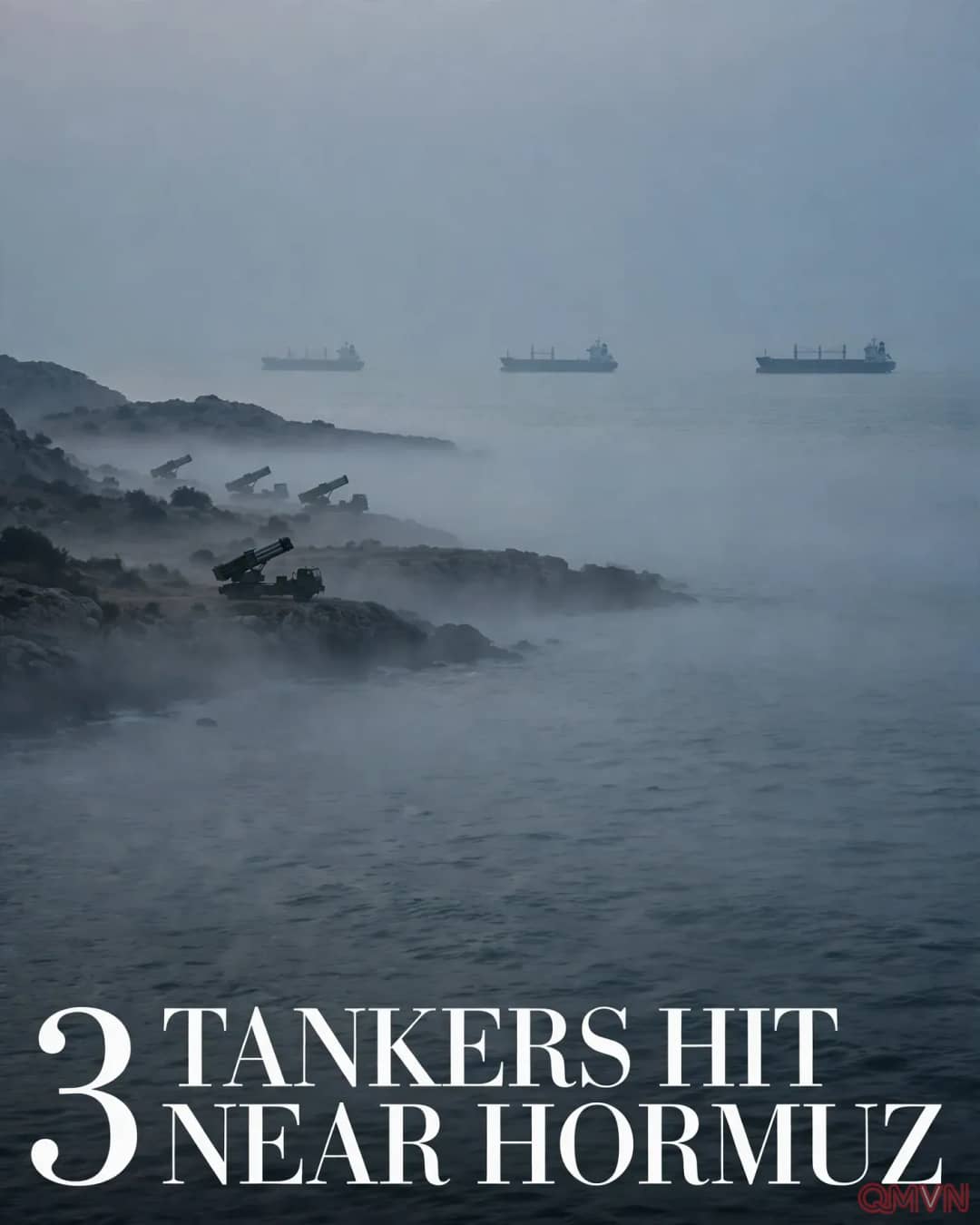
At least three tankers were reported attacked in or near the Strait of Hormuz on Saturday. The United Kingdom Maritime Trade Operations centre described two separate incidents involving unidentified projectiles as ships travelled out of the Persian Gulf.
One tanker was struck near the stern; another sustained an impact in its engine room. The initial reports recorded no casualties from those two incidents.
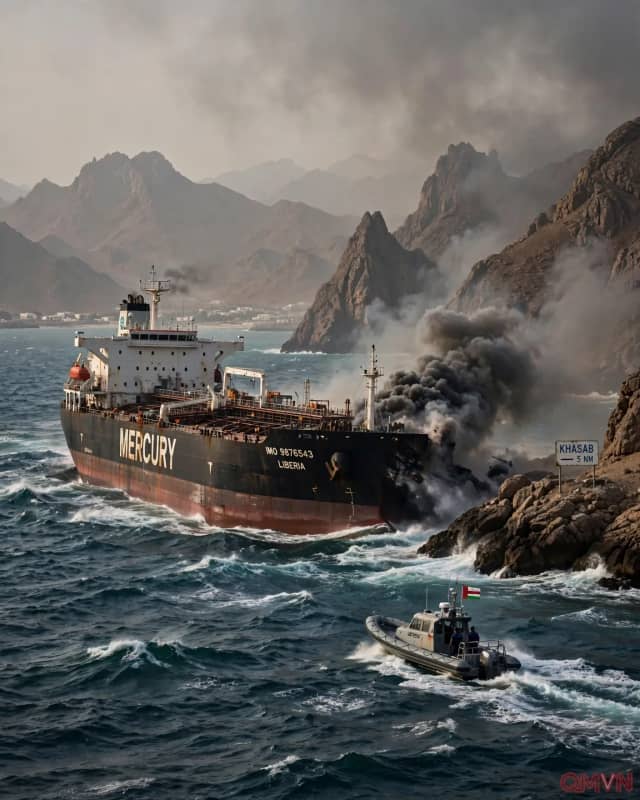
Iran’s navy separately said a tanker had struck a mine east of the strait and caught fire. This was a claim relayed by state media, not an independently confirmed finding about the cause of the explosion. There was no immediate Iranian response to the British centre’s two projectile reports, making it important not to treat all three incidents as conclusively attributed to the same party.
The strait is a narrow maritime connection between the Persian Gulf and the Gulf of Oman, crucial for energy shipments. Even when crews escape injury, uncertainty can raise shipping insurance costs, alter routes and weigh on energy markets. Maritime safety agencies and independent reporting are essential to distinguish verified damage from claims made amid a conflict.
A food vehicle struck in Gaza
In Gaza City’s Tel al-Hawa district, a strike hit a vehicle carrying food on Saturday, according to Mohamed Abu Selmiya, director of Shifa Hospital. He told the Associated Press that three men were killed. Footage showed a badly damaged pickup and opened containers of cooked rice. A Reuters witness separately reported food and paperwork bearing the World Central Kitchen logo at the site.
The Israeli military said it had attacked militants in the area, without offering detail about their identity, and was checking reports that a food vehicle had been hit. The available accounts do not establish why that particular vehicle was struck or whether the dead were linked to any armed group. Nor does the presence of aid markings, by itself, resolve the sequence of targeting decisions.
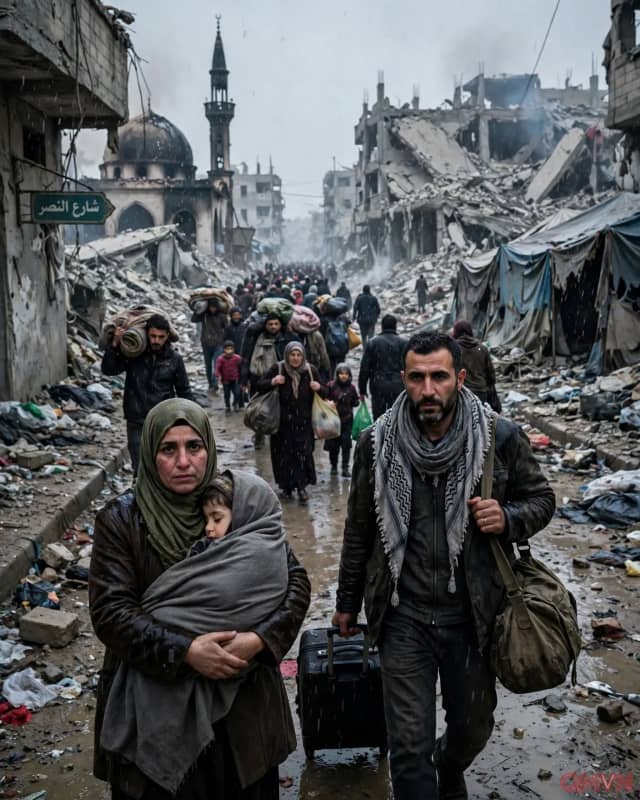
The deaths add to concern about civilian safety after a ceasefire reached in October 2025 reduced major fighting but did not end Israeli strikes. Gaza residents remain heavily dependent on outside food distribution. The immediate humanitarian questions are what happened, who was endangered and how to prevent aid movements becoming sites of lethal uncertainty.
Diplomacy persists alongside escalation
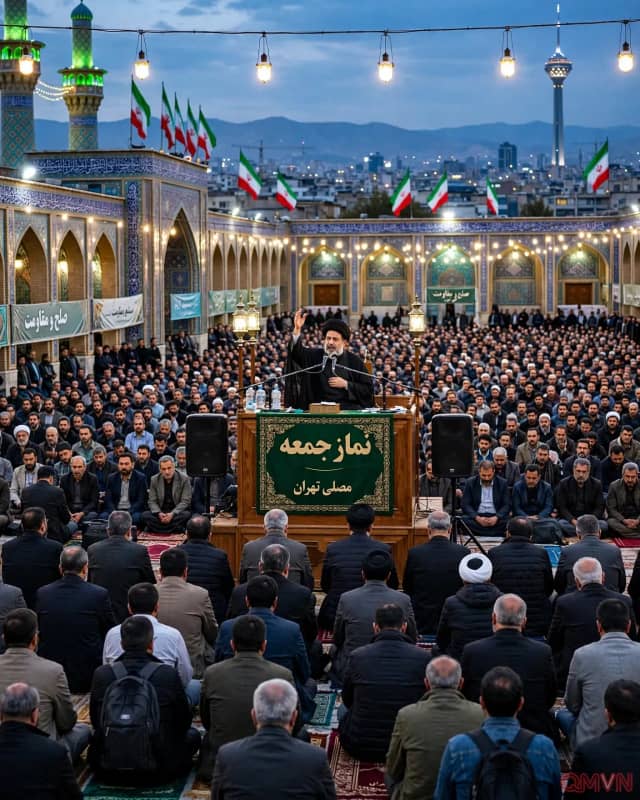
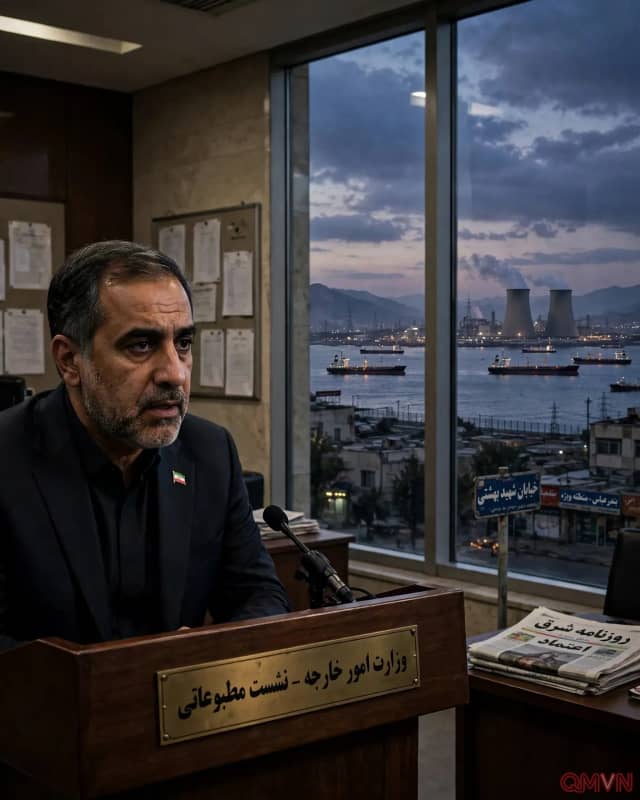
Iranian Deputy Foreign Minister Kazem Gharibabadi said his government remained in touch with mediators, including a Qatari delegation that visited Tehran on Friday. According to Reuters, the discussions were aimed at determining whether a fresh opportunity for diplomacy existed. Qatar’s channels with Tehran and Washington give it a distinctive intermediary role.
These contacts do not mean a ceasefire or negotiated settlement is imminent. They demonstrate, however, that communication can continue even as military forces seek leverage. The central challenge is to convert messages of deterrence and competing security demands into verifiable arrangements that lower the risk to civilians, crews and the wider region.