MAIN CONTENT
An agreement to keep the conversation alive
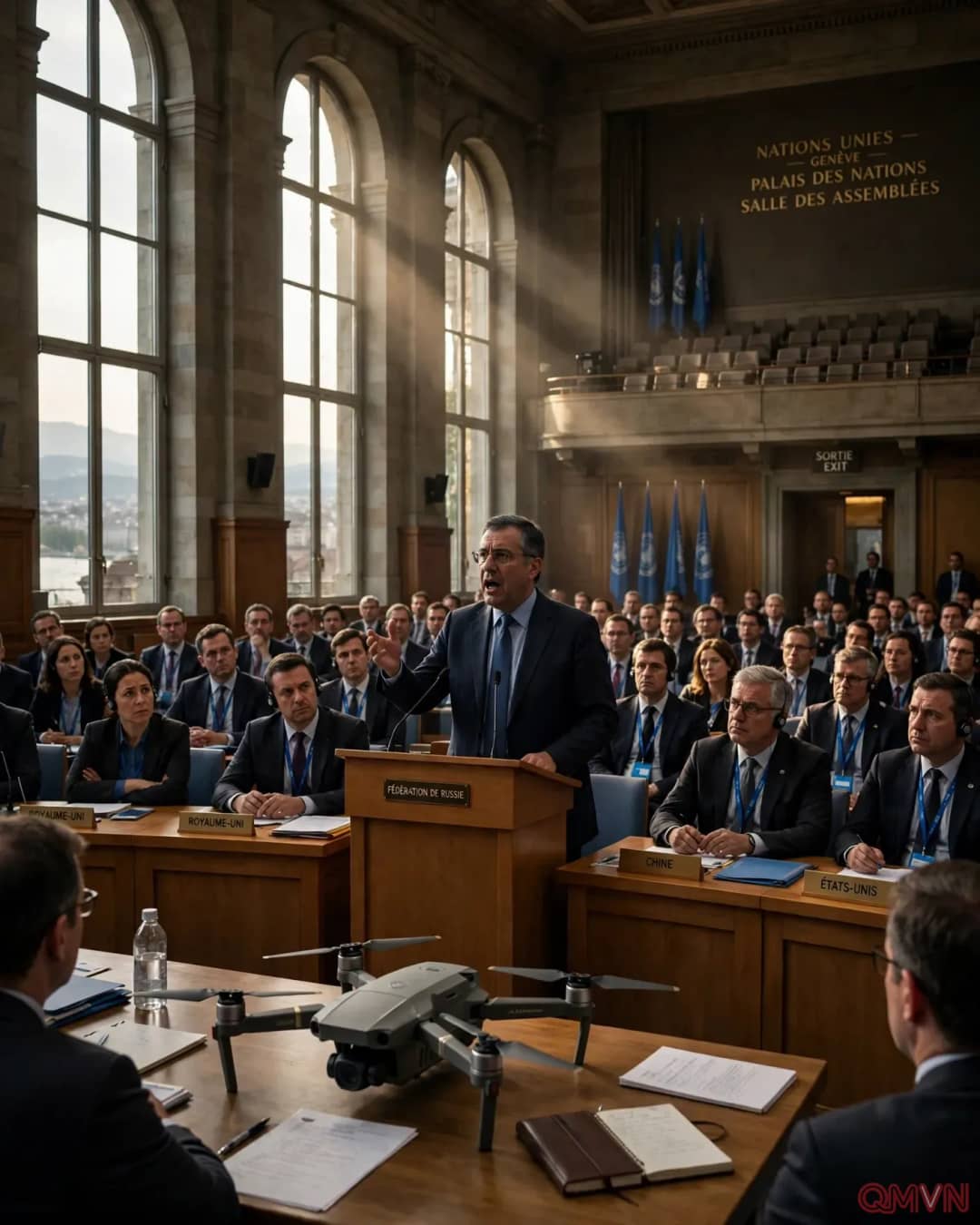
The seventh review conference of the Convention on Certain Conventional Weapons (CCW), held in Geneva from November 16 to 20, 2026, brought governments together as military technology advances rapidly. Reuters reported that negotiations ran past their expected deadline and concluded early on November 21 with a pledge to pursue further rules over the following two years.
A promise to formulate rules is not the same as a ban. The outcome leaves open whether future measures would be voluntary guidance, practical safeguards or a legally binding instrument. For countries and humanitarian organizations seeking a treaty, this ambiguity is the most consequential weakness of the compromise.
Swiss ambassador Julien Thöni presided over a conference where consensus was difficult to secure. The negotiated formula prevented a breakdown, but it also left opponents of stronger commitments considerable room to delay concrete legal duties.
Why machine-made targeting divides governments
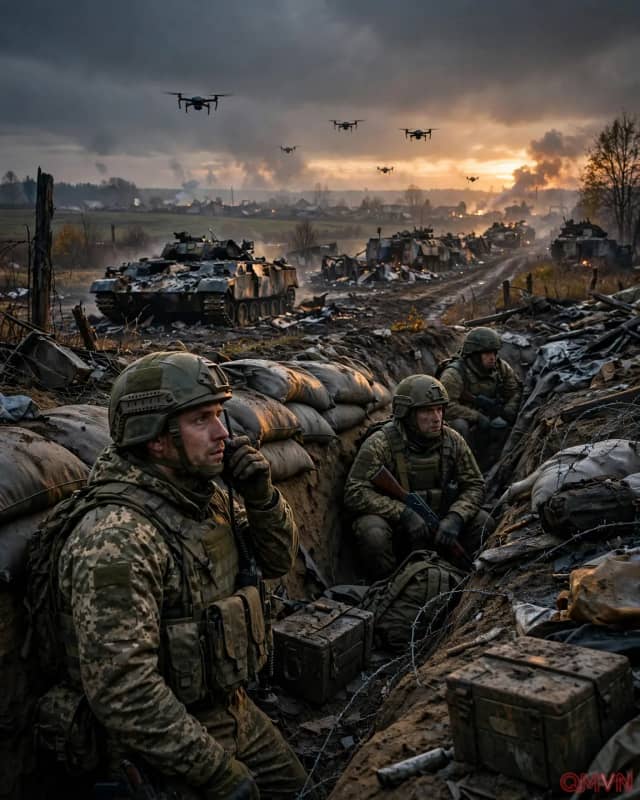
Lethal autonomous weapons need not resemble humanoid robots from science fiction. They may take the form of drones, ground platforms or defensive systems able to detect, classify and engage targets at different levels of human supervision.