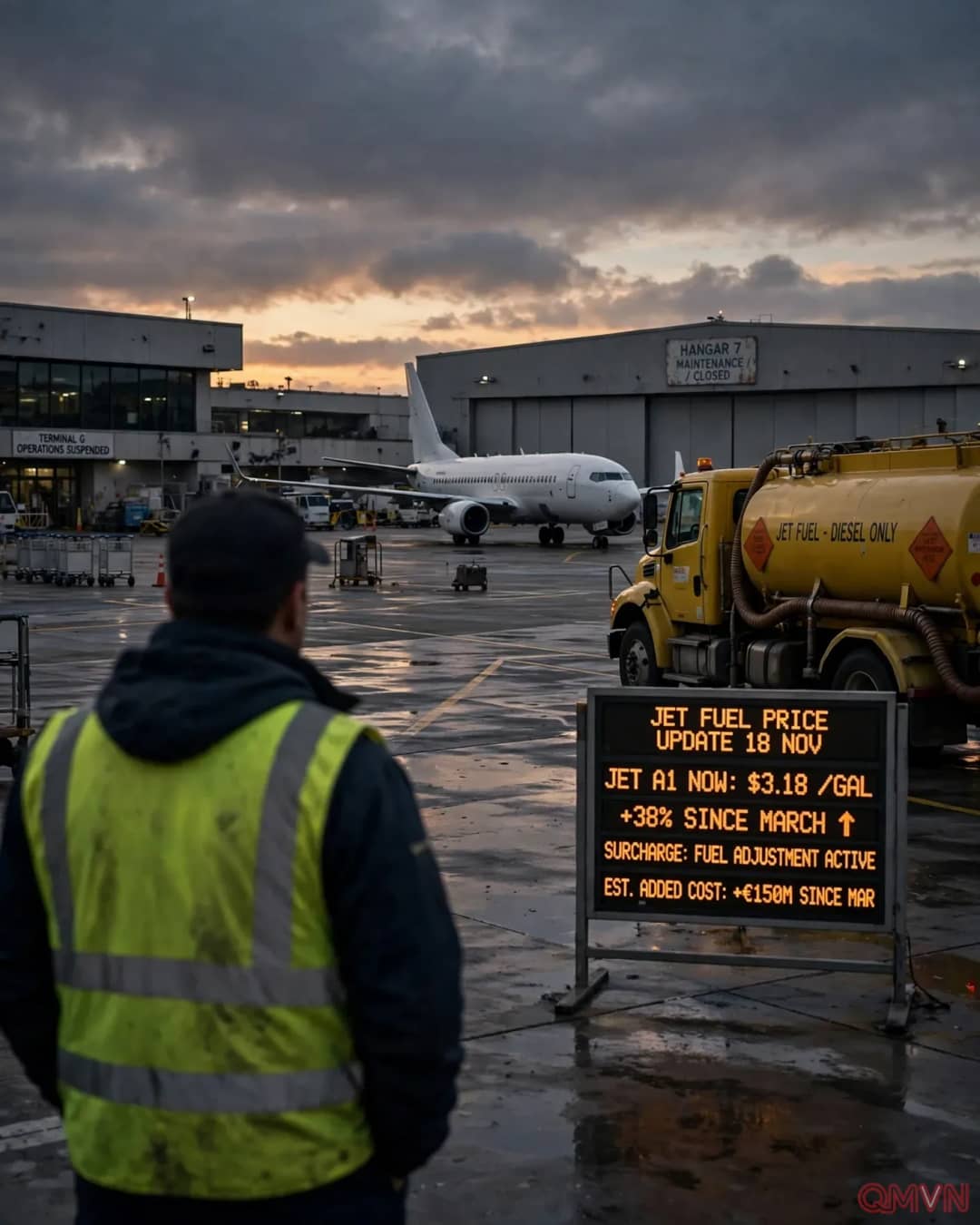
A fuel shock becomes a balance-sheet crisis
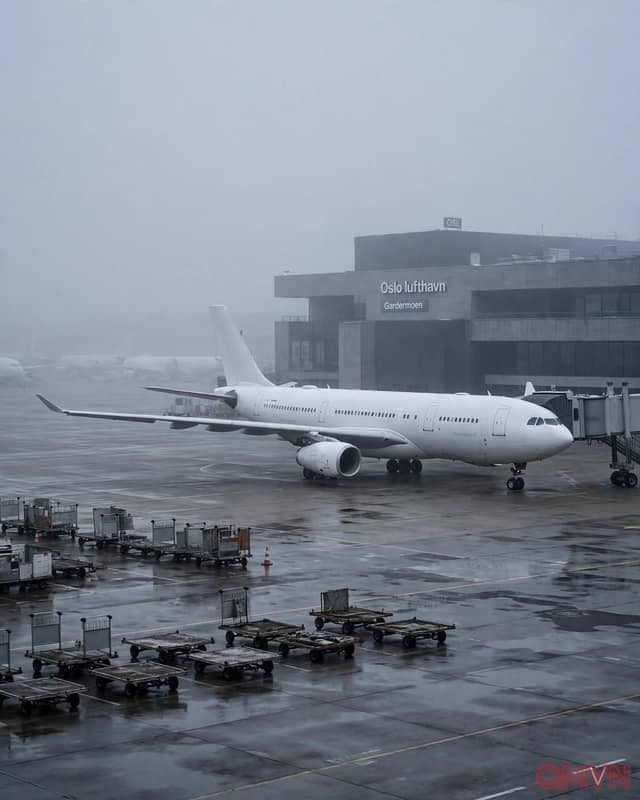
For airlines, fuel is the cost that cannot be negotiated away. Air strikes on Iran on February 28 and the effective closure of the Strait of Hormuz sent jet fuel prices soaring; according to the International Air Transport Association (IATA), they roughly doubled from late February and hit an all-time high above 230 dollars a barrel.
In June, IATA cut its forecast for global airline net profits in 2026 to 23 billion dollars, about half the 45 billion recorded in 2025, with margins shrinking to 2% from 4.2%. It expects jet fuel to average 152 dollars a barrel this year, nearly 70% more than in 2025.
*“All airline bottom lines are suffering from the rapid 70% rise in jet fuel prices.” — Willie Walsh*
For large, well-capitalised carriers, that means lower profits. For smaller airlines already burdened with debt, it can mean the end. IATA Director General Willie Walsh warned that some smaller carriers were likely to go bankrupt or be taken over this year and next.
Spirit: the first casualty
Spirit Airlines became the most prominent victim. The US discount carrier ceased operations on May 2 after a proposed government bailout fell through and lenders refused to inject fresh capital.