MAIN CONTENT
European equity rebound and policy continuity expectations at the ECB
On Thursday, November 26, 2026, in London, stocks rallied after White House proposals for new tariffs on 14 major trading partners—including China, Japan, and the European Union—sprang no nasty surprises, did not stack on top of July duties, and looked unlikely to take effect until February or March 2027. The pan-European STOXX index (.STOXX) climbed nearly 2% after Asian gains, Imperial Brands jumped up to 17.6% on Altria takeover interest and Japan Tobacco evaluation reports, and US equity futures for the S&P 500 and Nasdaq rose about 0.7% while Wall Street was closed for Thanksgiving; meanwhile, China said it reserves the right to take necessary measures and Singapore urged Washington to rethink.
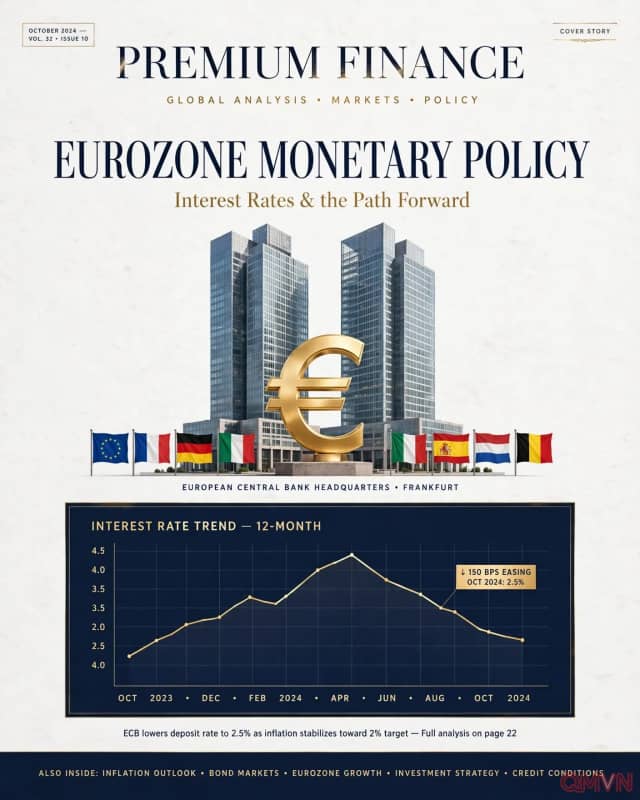
Investors also assessed reports that Spain's De Cos is set to be nominated to succeed Christine Lagarde as ECB president, signaling policy continuity with muted market reaction as the euro held flat at $1.0972 and 10-year German government bond yields edged up 5 basis points to 3.268%.
"He is not an 'unknown quantity' to the markets, which, in my view, have no reason to expect any major changes at the ECB. On the hawk-dove spectrum, he is generally considered to be near the centre, much like Lagarde" — Bruno Cavalier, chief economist at Oddo BHF.
Lingering AI nerves, Nvidia rating watch, and SpaceX share pledge
While the rebound took cues from US markets steadying overnight, fund managers noted that anxiety around the AI trade and massive infrastructure spending remained visible. Nvidia remained a focal point of unease after S&P placed its credit rating on watch for a possible downgrade, citing weaknesses in management and the board.
Elsewhere in technology, Elon Musk announced overnight that every child in the United States will receive two shares in SpaceX, pledging a gift worth roughly $18 billion.
"In recent days, the fear level has been quite palpable" — Tristan Hanson, multi-asset fund manager at M&G.
Fed and Bank of Japan rate paths alongside oil and gold moves
In rates and currencies, bond investors weighed whether monthly equity losses and doubts over AI business investment durability might temper central bank hawkishness; futures priced a 98% probability of a 25 basis point Fed rate hike in December while bets on a 50 basis point move faded. The dollar index held near 103.76 and USD/JPY was broadly flat at 159.23 with intervention risk keeping 160.00 resistance in play, while Bank of Japan hawkish board member Naoki Tamura urged a swift response to inflation overshoot signs—including faster rate hikes—keeping a December move alive.
In commodities, oil gained after Yemen's Houthis claimed a strike on Saudi Arabia's largest oil refinery and Iran reported mines hitting vessels in the Strait of Hormuz, lifting Brent futures 1.5% to $96 a barrel and US crude futures 1.2% to $84.72 a barrel, while gold eased 0.2% to $3,574 an ounce after dropping roughly 8% in November to one-year lows.