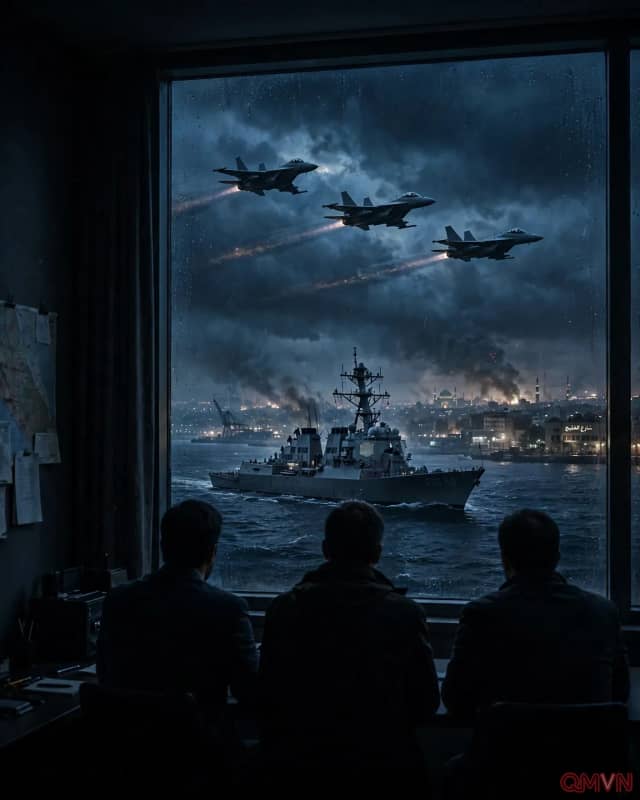
Two-century Precedent and U.S. Maritime Strategy in the Strait of Hormuz
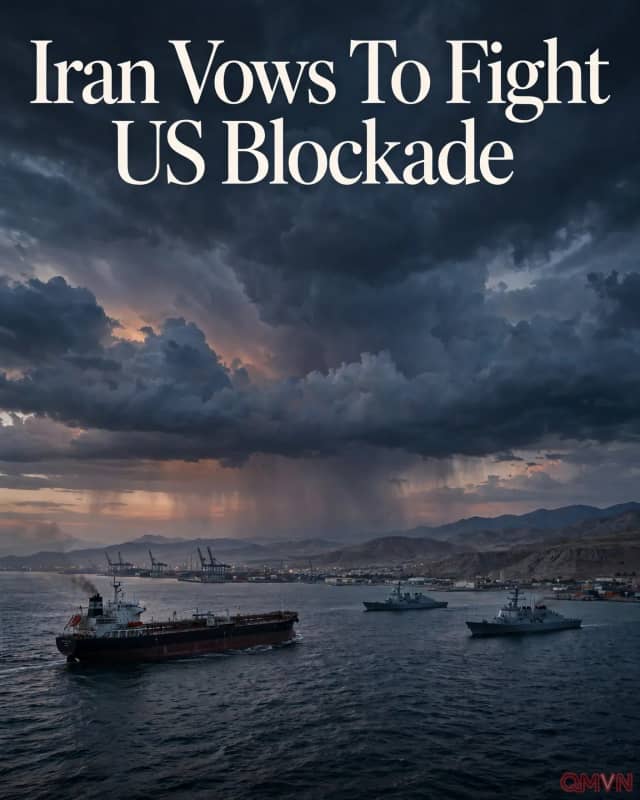
The U.S. military campaign to protect commercial ships from Iranian attacks in the Strait of Hormuz is not a unique initiative of the Trump administration. Around 200 years ago, from system
Similarly, Trump's hasty war with Iran today has also narrowed its goals to maintaining commercial interests and maritime security, after abandoning the intention to support revolutionary movements in Tehran.
Decline of the International Maritime Legal Order
Although the United States has not ratified the United Nations Convention on the Law of the Sea of 1982, which regulates the right to freedom of navigation without obstruction by coastal states, it still maintains the principle of maritime freedom based on the 'mare liberum' doctrine developed by 17th-century Dutch scholar Hugo Grotius. The US has rejected Iran's claims at the Strait of Hormuz. In June 2023, US Secretary of State Marco Rubio declared that 'no country is allowed to charge fees through an international sea lane'.
However, President Trump later suggested that the US could impose tolls on using this strait, and a May 2023 memo with Iran recognized the rights of both countries, including Oman, to charge fees through the Strait of Hormuz. This remains the only legal basis for a future peace agreement, despite the ongoing intense conflict.