A call made under pressure
The reference essay in The New York Times draws on the memories of a writer who grew up in Gaza and witnessed the early appeal of Sheikh Ahmed Yassin, Hamas’s founder. It argues that Hamas has not delivered freedom or prosperity, but has helped sustain a closed system of rule in which armed power outweighs civilian life and dissent is perilous.
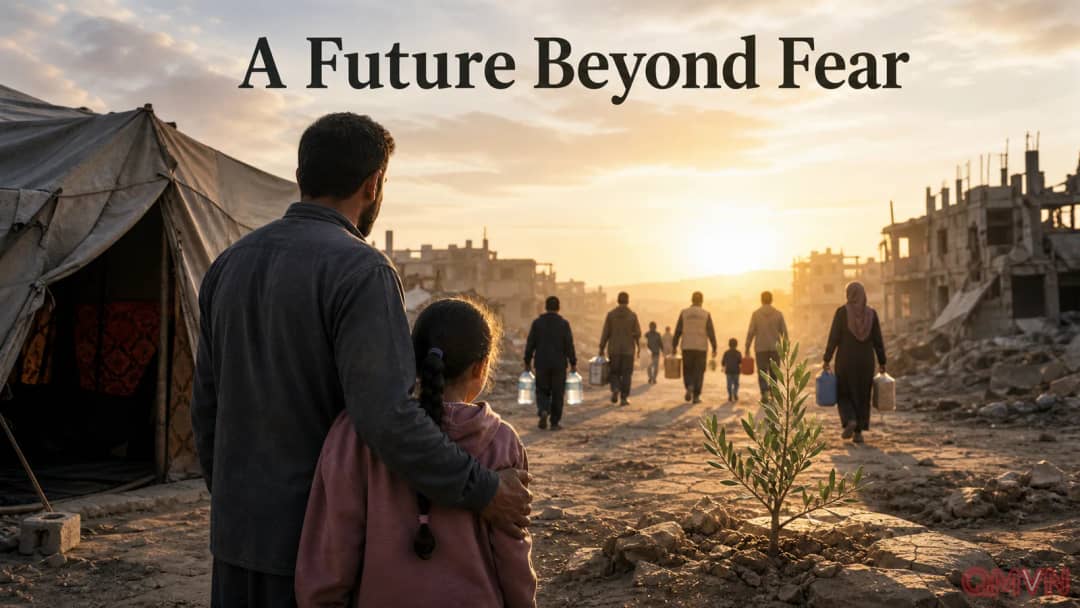
That argument needs its full context. Hamas bears responsibility for violence against civilians, including the October 7, 2023 attack, and for placing organizational interests above the safety of the community it claims to defend. But Gaza’s people cannot be collapsed into Hamas. They are parents seeking clean water, doctors working in an exhausted health system, children studying in temporary shelters and older people carrying memories of homes that no longer exist.
Civilians are not anyone’s instrument
Recent United Nations humanitarian reporting describes Gaza as profoundly fragile. Even where aid has entered, many families still lack sufficient food, water, shelter and essential medical services. UN agencies have reported that a significant share of households are surviving on only one meal a day, while children remain exposed to malnutrition, disease and lasting trauma.
Those facts make clear why responsibility cannot be framed in one direction. Israel has a right to protect its citizens from attack, yet self-defense carries an obligation to protect civilians and comply with international humanitarian law. Hamas cannot invoke Gaza’s suffering to excuse violence or to suffocate Palestinian political space. And the international community cannot settle for expressions of alarm while reliable humanitarian access remains uncertain.