MAIN ARTICLE
Turning a regional promise into an operational institution
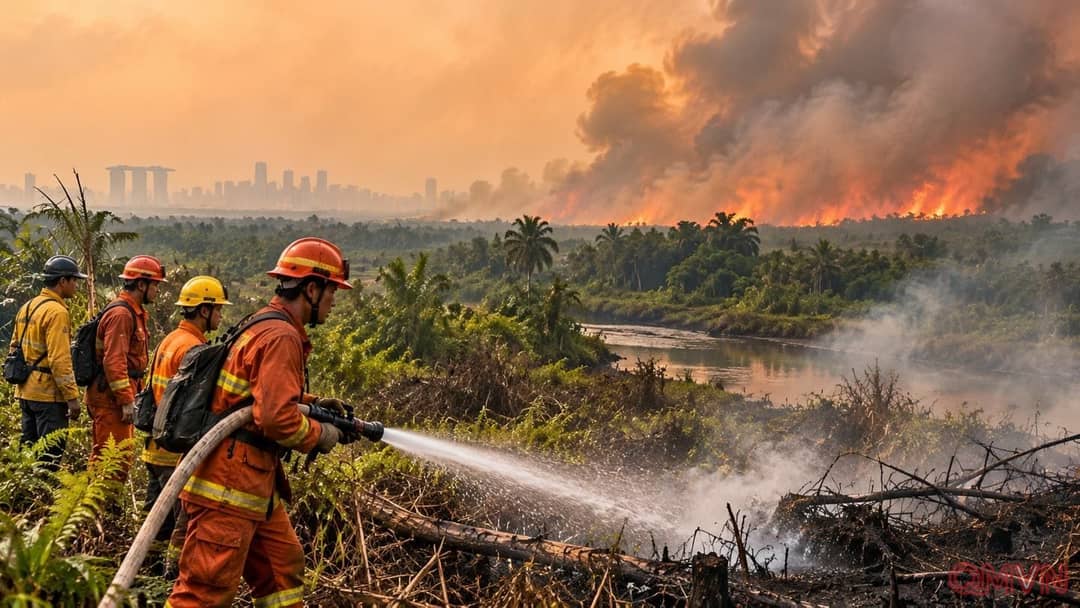
In parliament on November 3, Grace Fu outlined how Singapore plans to use its ASEAN leadership in 2027 to strengthen the region’s response to pollution that does not stop at national frontiers. A proposed ASEAN Coordinating Centre for Transboundary Haze Pollution Control, headquartered in Indonesia, would help governments exchange information, coordinate expertise and equipment, and organise assistance when land and forest fires send smoke beyond the country where they begin. It would complement rather than replace existing national emergency agencies.
Crucially, the centre would not be an independent force entitled to intervene wherever smoke appears. The 2002 ASEAN haze agreement gives national authorities primary responsibility for fighting fires; regional assistance is activated when an affected government seeks it. The centre’s separate establishment agreement, signed in May 2025, requires six ratifications to take effect. Fu said Singapore planned to complete its own ratification within days and would encourage other members to do likewise. No firm date for the centre’s launch was announced.
Why the flames keep returning
The underlying problem extends far beyond the visible flames of any single forest fire. Singapore’s environmental updates and the ASEAN Specialised Meteorological Centre have tracked smoke from hotspots in Indonesia’s Sumatra and Kalimantan during the 2026 dry season.