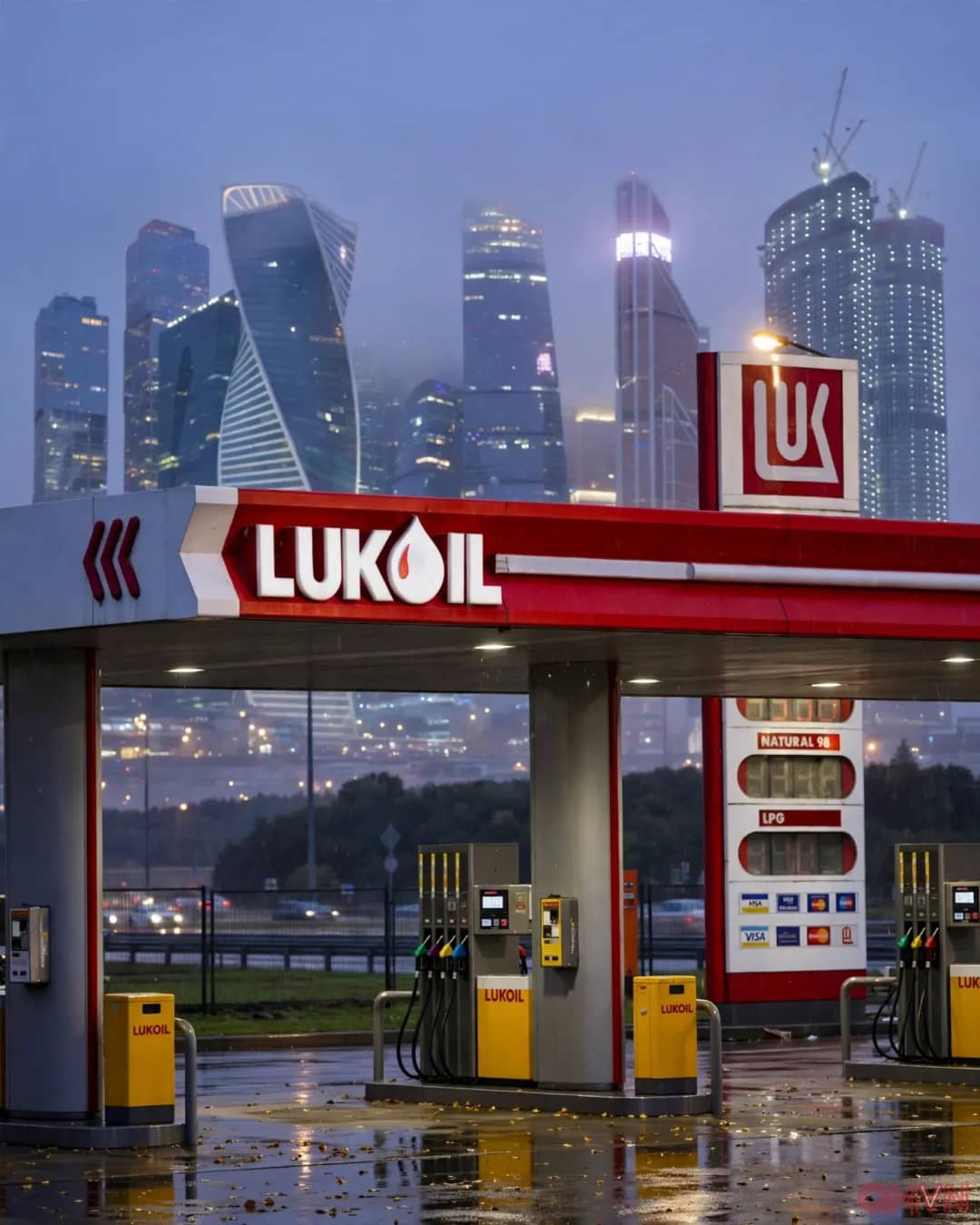
Cashless swap mechanics and redemption pathways for frozen institutional holdings
At the center of this unprecedented cross-border restructuring lies an intricate cashless exchange designed to satisfy stringent regulatory mandates. A designated intermediary bank operating on behalf of the Boehly-led syndicate systematically acquired billions of dollars in frozen Lukoil shares and depositary receipts from roughly ten major British and American institutional funds, including Capital Group, alongside retail depositary trusts.
These distressed paper assets were acquired at approximately thirty cents on the dollar, a steep market discount directly reflecting their sanctioned and illiquid status following global market delistings.
Under terms negotiated with Western regulators, the accumulated equities will be quarantined in an independent escrow account rather than released directly to Russian corporate treasuries, thereby strictly adhering to United States Treasury Department prohibitions against conferring liquidity windfalls upon sanctioned entities.
This deal serves as the ultimate test case of whether Western sanctions can force a major Russian oil titan to divest global assets while denying financial gains to Moscow.
The investment syndicate accumulated frozen Lukoil equity securities at a seventy percent discount from Western asset funds.
Acquired shares will be sequestered within dedicated escrow structures to comply fully with United States Treasury directives.
Private equity group Carlyle withdrew its competing acquisition proposal, positioning the Boehly-led group as the sole active bidder.
Gulf capital participation and the rehabilitation of operational energy corridors
The high-stakes acquisition syndication unites prominent Wall Street sports and media executives with premier sovereign wealth networks from the Arabian Gulf. Partnering alongside Todd Boehly are Abu Dhabi-based conglomerates International Holding Company (IHC) and Al Hail Holding, the prominent Syrian-Qatari Al-Khayat family office, and strategic policy backing from the United States International Development Finance Corporation (DFC).
While Lukoil's international downstream refineries and European retail networks historically provided vital refining capacity across Mediterranean and Balkan markets, extended sanctions exposure caused several facilities to enter prolonged operational idleness. Reassigning operating ownership to an alliance of American and Gulf investors is projected to swiftly restore refining throughput and stabilize commercial fuel distribution across regional economies.
Restructuring the equity ownership of these stranded assets is essential to maintaining systemic stability across international fuel markets.
The acquiring consortium includes elite Emirati holding groups IHC and Al Hail alongside American development agency DFC.
The targeted asset perimeter spans operating oil extraction blocks, maritime terminals, and thousands of European service stations.
Regulatory clearances are expected to restore commercial viability to critical European refining infrastructure paralyzed by sanctions.