MAIN CONTENT
How commercial disputes became a federal criminal case
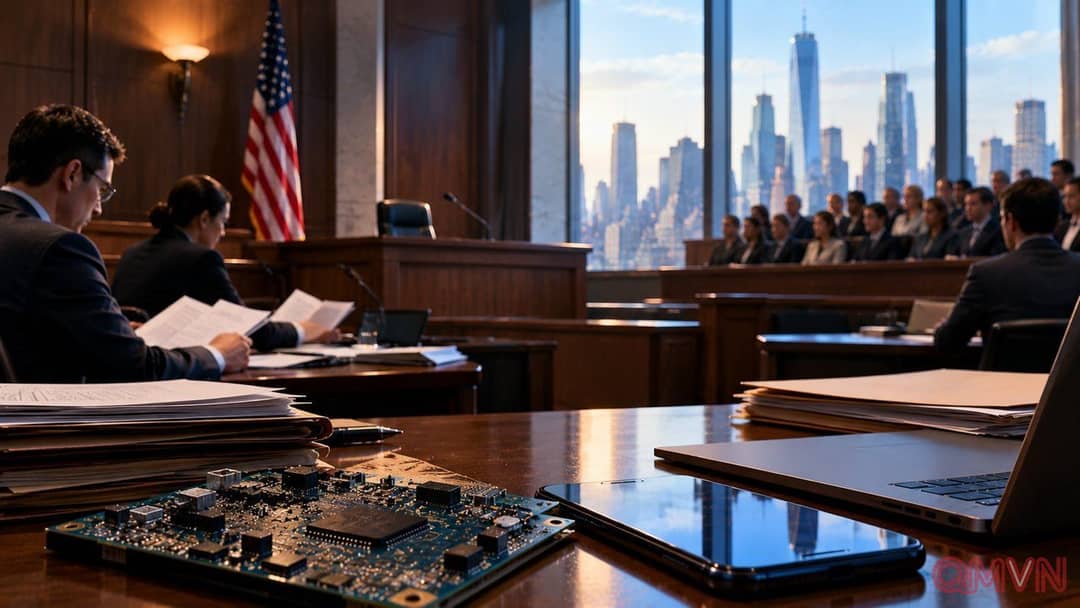
Jury selection began in September in the Eastern District of New York, bringing years of investigation and litigation into open court. Prosecutors allege that Huawei and three related entities sought competitors' technology, including internet-router source code and information about industrial robotics. They further contend that incentives encouraged employees to acquire rivals' confidential materials. Those assertions remain disputed and must be measured against specific testimony and documents.
A separate part of the case concerns alleged misrepresentations to financial institutions about Huawei-related dealings in Iran, along with accusations of obstructing investigations. The legal questions involve different statutes, banking relationships, sanctions rules and documentary evidence spanning jurisdictions. Whether any business conduct was criminal cannot be determined merely by the force of an accusation or by unrelated political concerns.
Reuters reported that prosecutors presented more than 60 witnesses, while the defense called roughly 15. Witness counts do not establish which side is right, but they indicate how much material jurors have been asked to consider. After closing arguments on November 17, the proceedings shifted from public advocacy to the private work of evaluating evidence and the judge's instructions.