MAIN CONTENT
A summit image, and the quieter negotiations
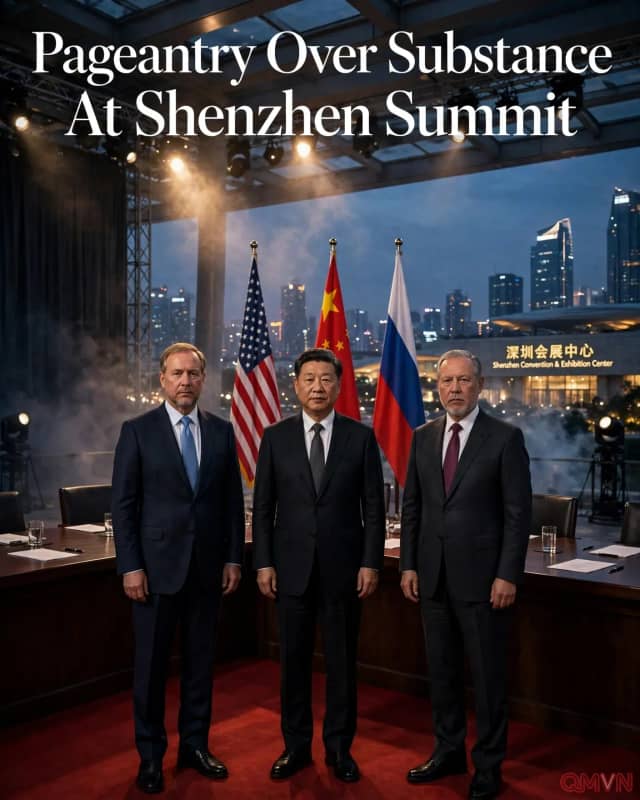
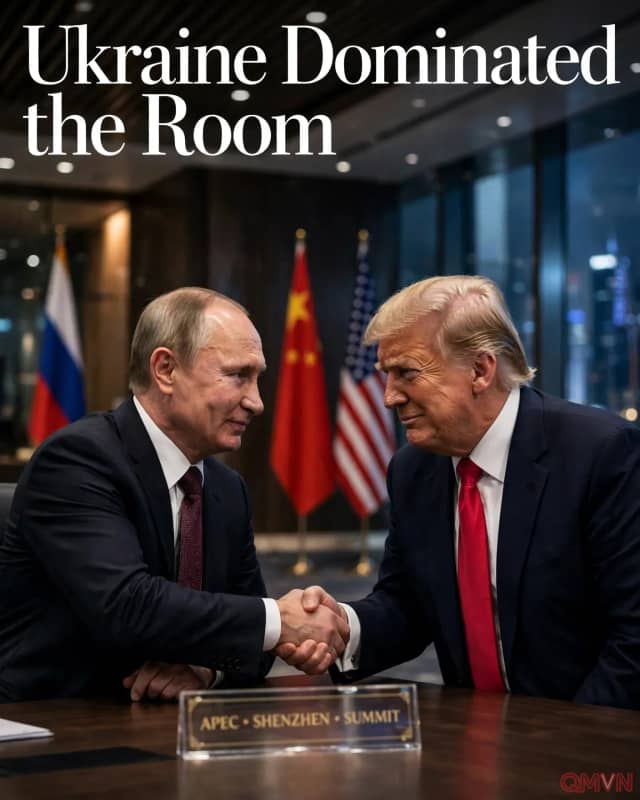
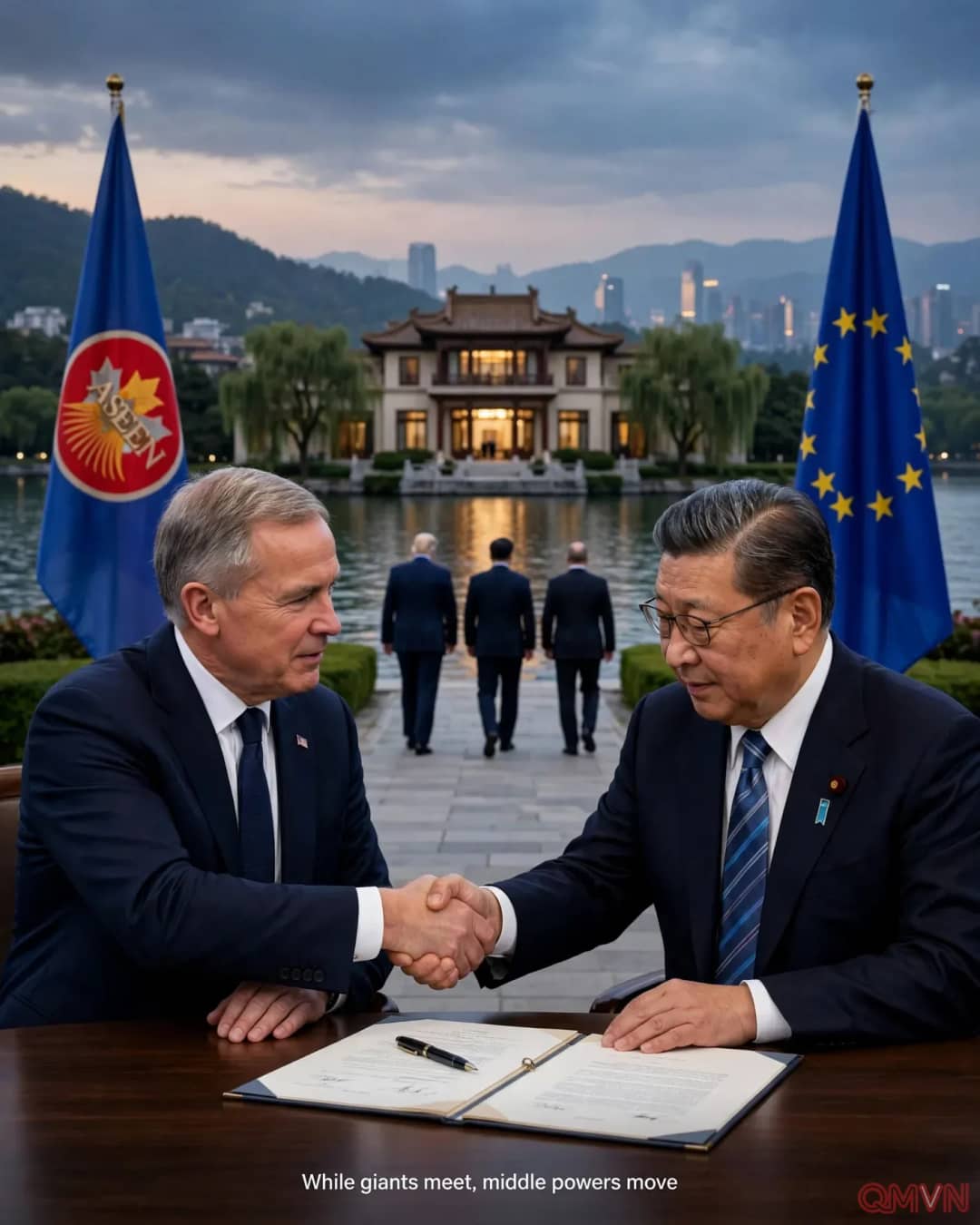
On November 19, the leaders of the United States, China and Russia met on the sidelines of the Asia-Pacific Economic Cooperation summit in Shenzhen. Trump compared the encounter to Yalta, invoking the wartime conference that shaped the postwar settlement. The comparison conveyed political ambition rather than a demonstrated diplomatic breakthrough: statements after the meeting contained more symbolism than detailed new commitments, according to Associated Press coverage. The spectacle also raised a difficult question for allies: how much room remains for their interests when the largest powers speak among themselves?
The answer emerged in parallel conversations, trade negotiations and regional agreements. APEC itself is a forum for economic cooperation rather than a collective-security alliance; its 2026 Shenzhen declaration emphasized openness, innovation and cooperation. For countries navigating tariffs, export controls and uncertain security guarantees, that language acquires meaning only when translated into concrete access to markets, reliable suppliers and resilient institutions. The quieter meetings therefore deserve attention alongside the summit's defining picture.