MAIN ARTICLE
One photoshoot, unlimited versions
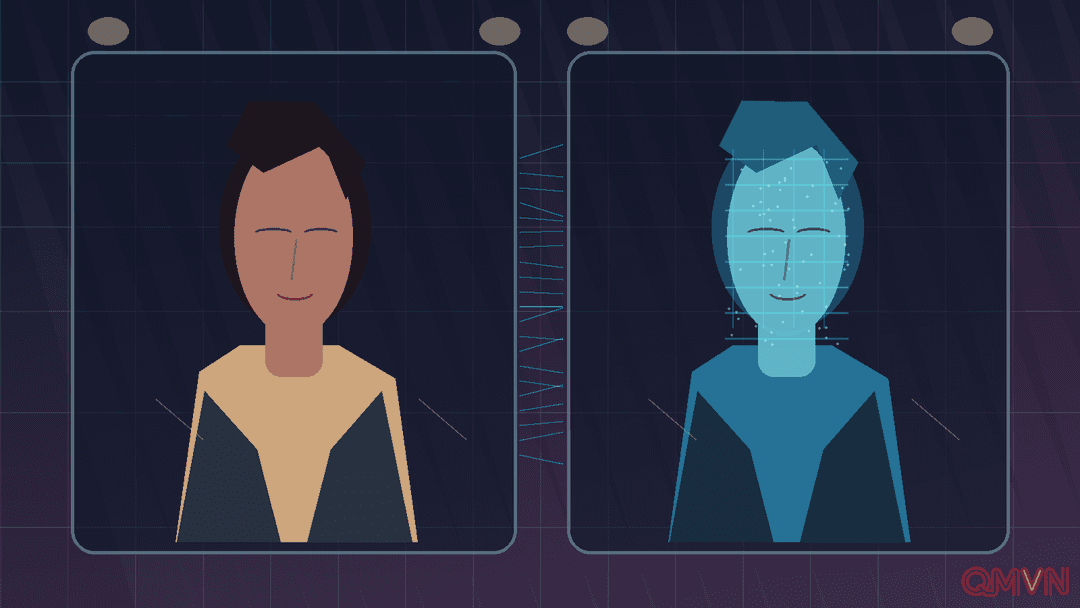
Fashion ecommerce needs a ceaseless flow of product pictures. Conventional photography requires models, photographers, makeup artists, stylists, lighting crews and editing time. Generative systems change the calculation: a retailer may vary clothing, locations, expressions or even faces on screen and produce many versions for different markets without reconvening the entire production team.
Reuters examined draft agreements involving Diesel, Calvin Klein and L'Oreal. A Diesel casting document contemplated changing bodily proportions and exchanging faces. Calvin Klein proposed using non-identifiable model imagery to train general-purpose AI tools. L'Oreal sought AI-related editing rights for certain product and post-production purposes. These clauses demonstrate what companies requested in paperwork; they do not, by themselves, establish that the companies exercised every proposed right.
The companies offered important qualifications. Diesel parent OTB said the document related to a particular campaign rather than its standard arrangements. Calvin Klein described itself as testing and learning while respecting models' rights. L'Oreal said its ordinary post-production AI tools do not alter the model's image. Reporting accurately on this transition means distinguishing proposed permission from documented conduct, rather than treating every contractual scenario as an accomplished act.