MAIN ARTICLE
A troubled morning outside Bethlehem
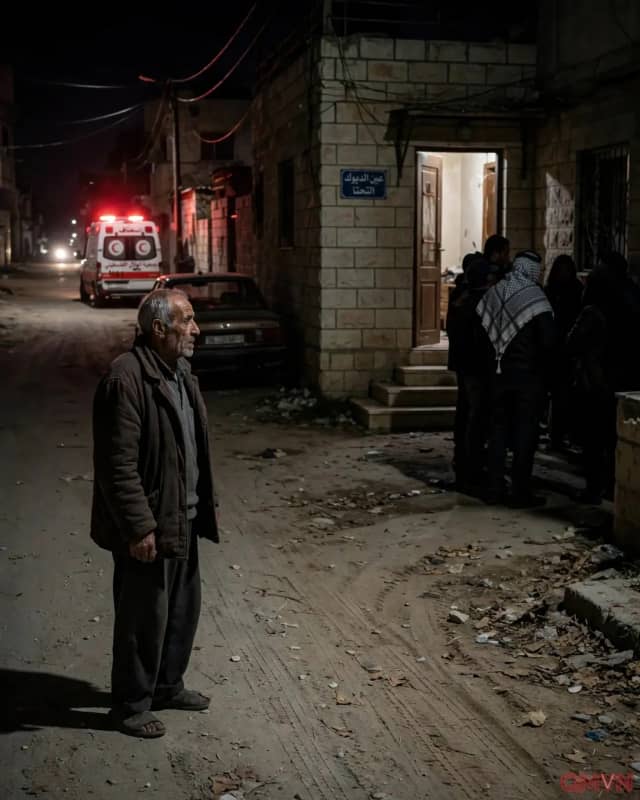
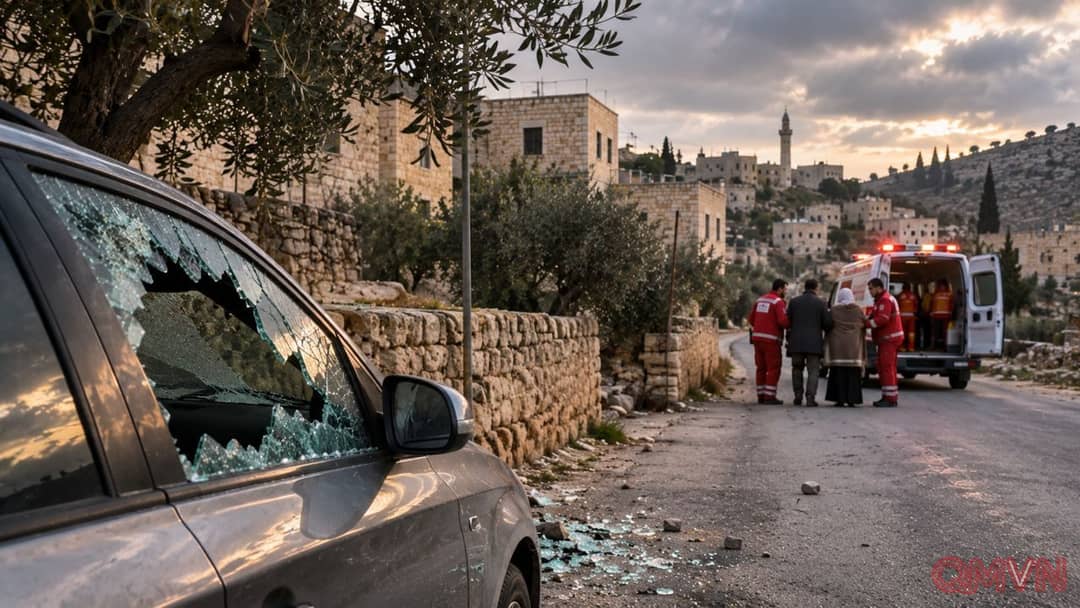
The Times of Israel reported that the Palestine Red Crescent Society had treated a married Palestinian man and woman following an alleged settler assault in the al-Minya area. Video described by the outlet showed the man being evacuated for treatment after suffering a head injury. The full extent of both patients’ injuries and the course of their care were not immediately available.
Palestinian agency WAFA also reported attacks on homes around Tuqu’ on November 20. Sada News cited a local village council official who alleged that intruders assaulted members of a family at about 3 a.m. These locally sourced accounts offer potentially useful context but are not substitutes for a verified timeline, medical records or a formal determination of who was responsible.
Separate accounts and an unresolved connection
A second set of footage, shared that morning, reportedly showed unidentified people entering a neighborhood and damaging vehicles. Palestinian outlets described them as settlers.
But the original Times of Israel report explicitly cautioned that it was not known whether the property damage and the injuries to the couple were linked. Combining those events into a single coordinated attack without evidence would overstate the record.
Incidents unfolding in the same locality may involve different actors, locations and times. Investigators would need to compare the original recordings, witness testimony, ambulance logs and physical evidence before reconstructing a sequence of events. As of this account, the perpetrators of the alleged assault had not been independently identified, and no clear relationship between the two reported episodes had been demonstrated.
Why violence in small communities matters
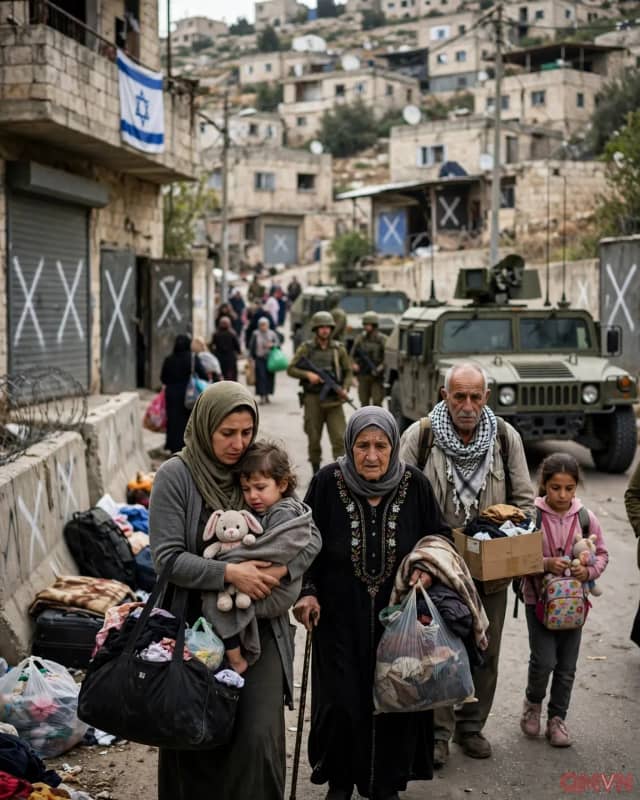
Tuqu’ is in the Bethlehem governorate, where residents travel between their homes, agricultural plots, schools, jobs and health facilities. A damaged vehicle or an assault at a household can therefore affect far more than the immediate victims. Children may miss lessons, families may fear using familiar roads, and ordinary economic activity can become more precarious. The anxiety can persist long after a particular confrontation ends.
The United Nations Office for the Coordination of Humanitarian Affairs recorded 64 settler attacks causing casualties or property damage across 48 communities in its November 5 situation report, describing violence as remaining at high levels. That regional figure is context, not proof concerning the specific al-Minya event. Local reporting had also described a vehicle-ramming incident near Tuqu’ on November 16 in which eight Palestinians were reportedly injured.
Accountability begins with verification
Allegations of violence against civilians warrant impartial investigation, prompt medical assistance and accessible channels for complaints and protection. Preventing further incidents matters as much as responding to those already reported. Safeguarding routes to schools, hospitals and workplaces is a practical human-security concern, whatever a resident’s political identity or beliefs.
Online footage can offer valuable leads but rarely shows a complete chain of events. A camera angle alone cannot establish motive, every participant or links between apparently related incidents. Responsible coverage should take reported injuries seriously without converting suspicion into a definitive finding. The distinction between testimony, corroborated facts and an investigation’s eventual conclusions is central to public trust.