MAIN CONTENT
A deployment negotiated before the first confrontation
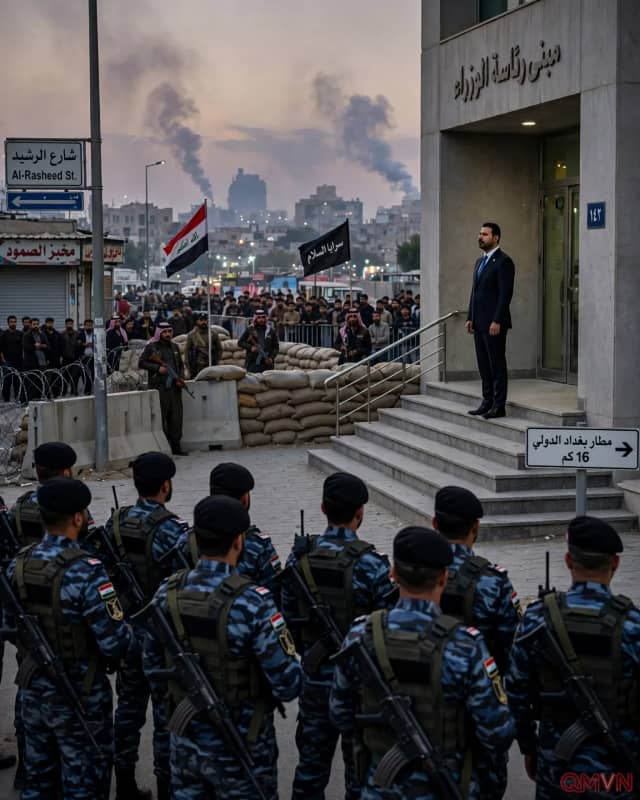
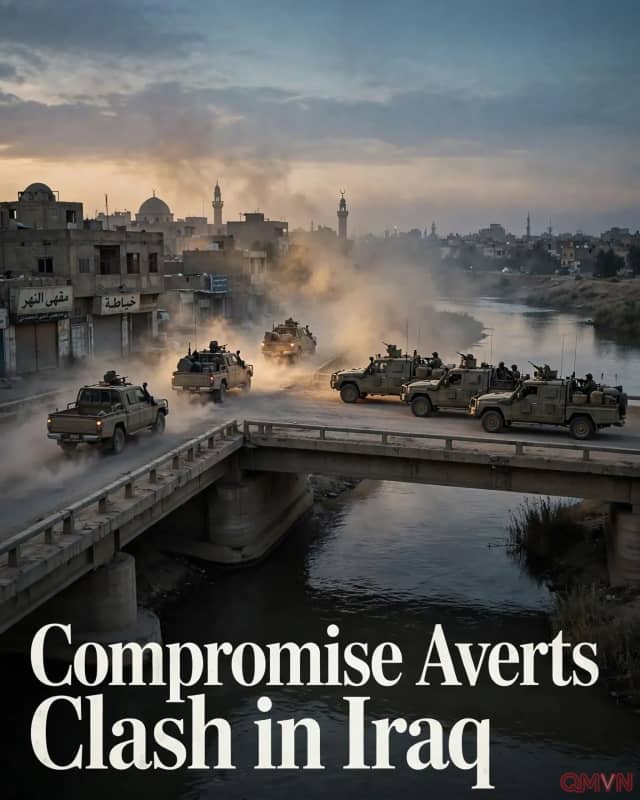
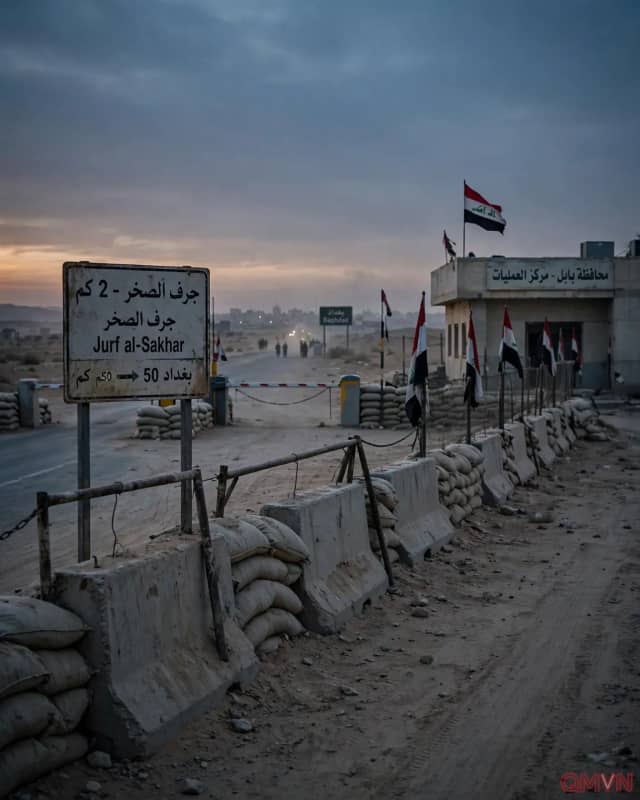
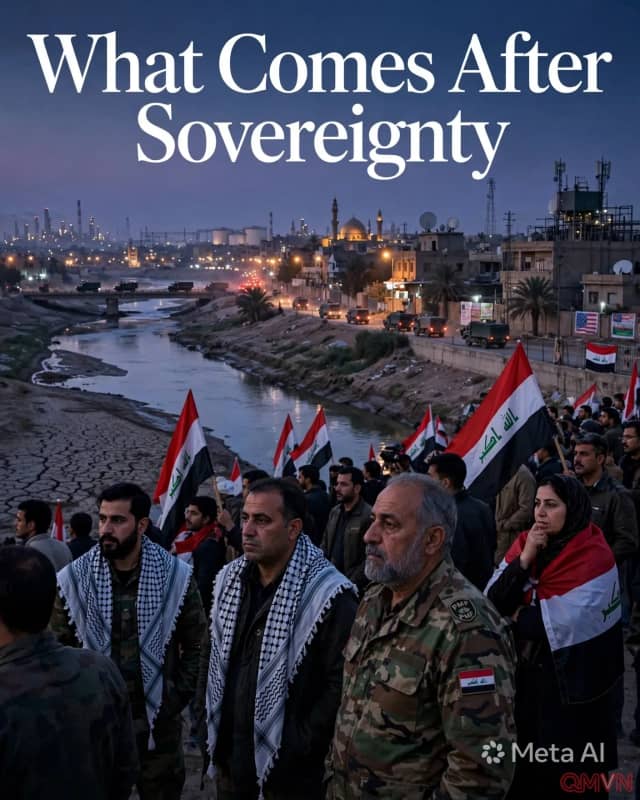
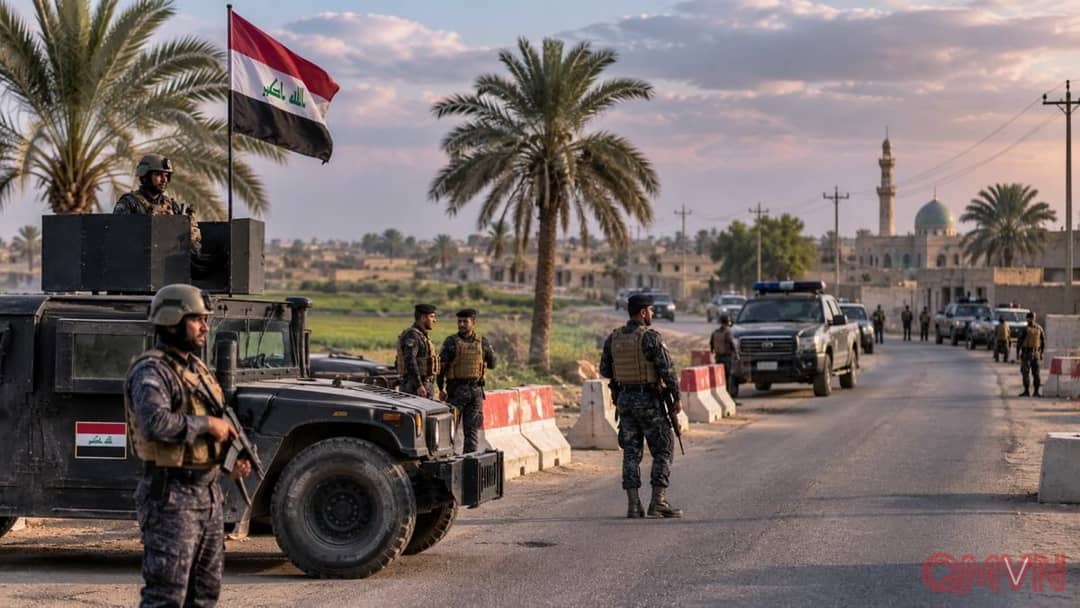
At a November 20 news conference, Iraqi security officials said government forces would enter Jurf al-Sakhar, a strategic district south of Baghdad. The announcement followed an agreement brokered by senior Shiite political figures the previous day. Lieutenant General Saad Maan, head of the Security Media Cell, told Reuters that Kataib Hezbollah personnel were expected to move to other areas. The central aim was to avoid fighting between actors operating within Iraq’s complicated security landscape.
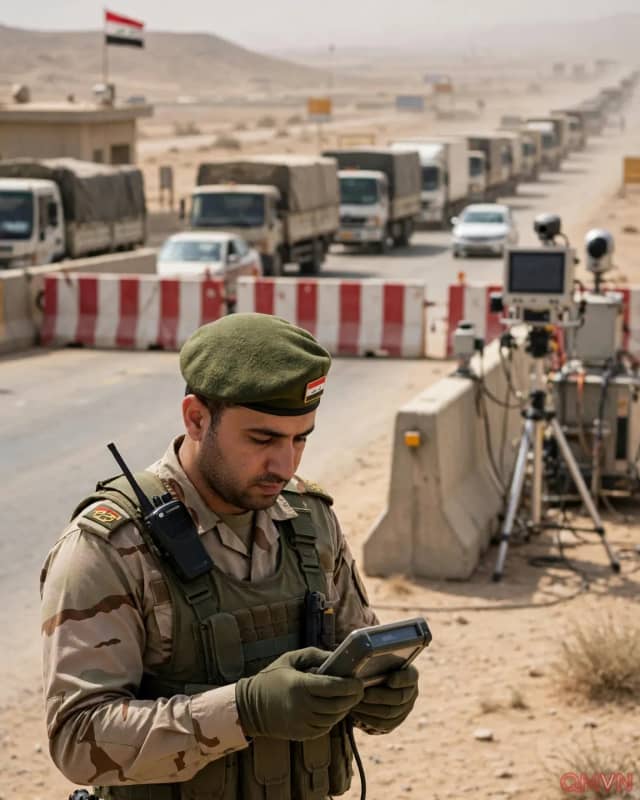
The Associated Press reported that the prime minister’s office announced a new command headquarters in the area. Accounts of the plan describe roles for the army, police, Popular Mobilization Forces and energy police. However, announcements alone cannot establish exactly when every position changes hands, who ultimately controls checkpoints or whether all parties will meet their commitments.
Oil allegations reveal a larger contest for power
Jurf al-Sakhar is more than a military location. Situated in Babil province on important transport corridors, it has become a symbol of the unfinished struggle to place coercive power under accountable national institutions.
Kataib Hezbollah has retained deep influence there, and earlier warnings against a government entry raised the prospect of violence.
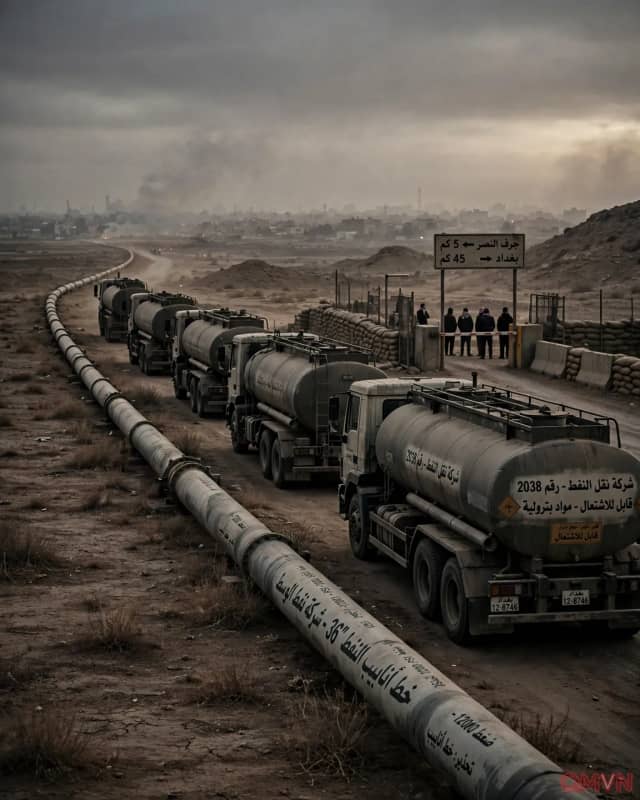
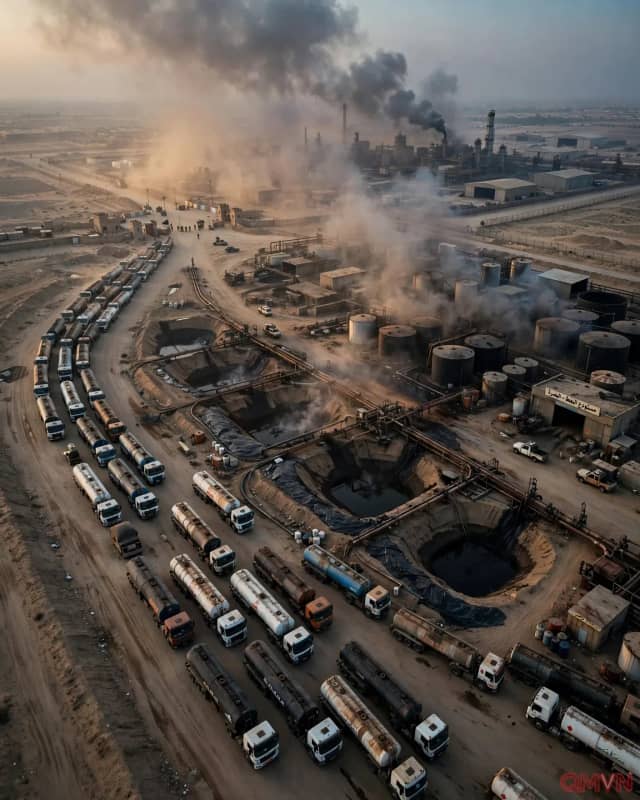
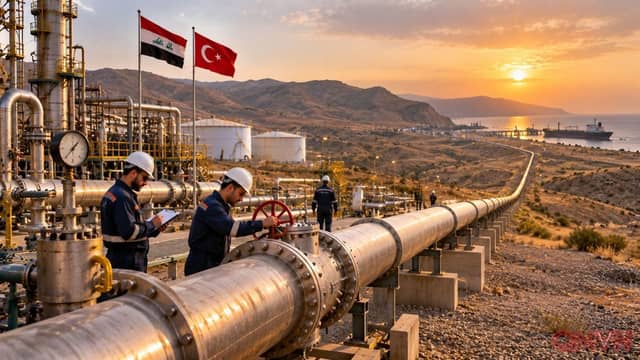
Reuters reported that Iraqi officials accused a network linked to the group of diverting state-owned oil worth hundreds of millions of dollars. Nine senior security and oil officials were reportedly dismissed following an inquiry focused on the area. Those allegations remain distinct from court findings: the reporting does not establish criminal guilt for every individual or organization mentioned.
What the compromise achieves—and leaves unresolved
For Baghdad, the agreement offers an opportunity to assert public authority without the potentially high human cost of a direct assault. For Kataib Hezbollah, leaving particular sites does not necessarily mean relinquishing wider political relationships or security influence. Practical questions remain over patrols, revenue flows, infrastructure and freedom of movement after the new deployments.
The confrontation also reflects the competing interests of Iraq, Iran and the United States. Reuters says Washington has pressed Prime Minister Ali al-Zaidi to rein in armed groups that have attacked American interests in the wider region. Iraqi leaders meanwhile face a dense network of domestic political and military alliances. A compromise can lower immediate risks, but it does not automatically settle the balance of power.
Civilians will decide what success really means
For ordinary Iraqis, success should mean more than official vehicles moving through the streets. It should include reliable services, secure travel, accountable control of public assets and a credible path home for families displaced from the district. Any restoration of government presence needs to be measured against these daily realities.
Iraq’s experience shows that signing an arrangement is often easier than implementing it consistently where formal institutions and armed factions overlap. The most telling evidence in the coming days will be sustained government access, management of oil infrastructure and roads, and the absence of renewed fighting—not ceremonial declarations alone.