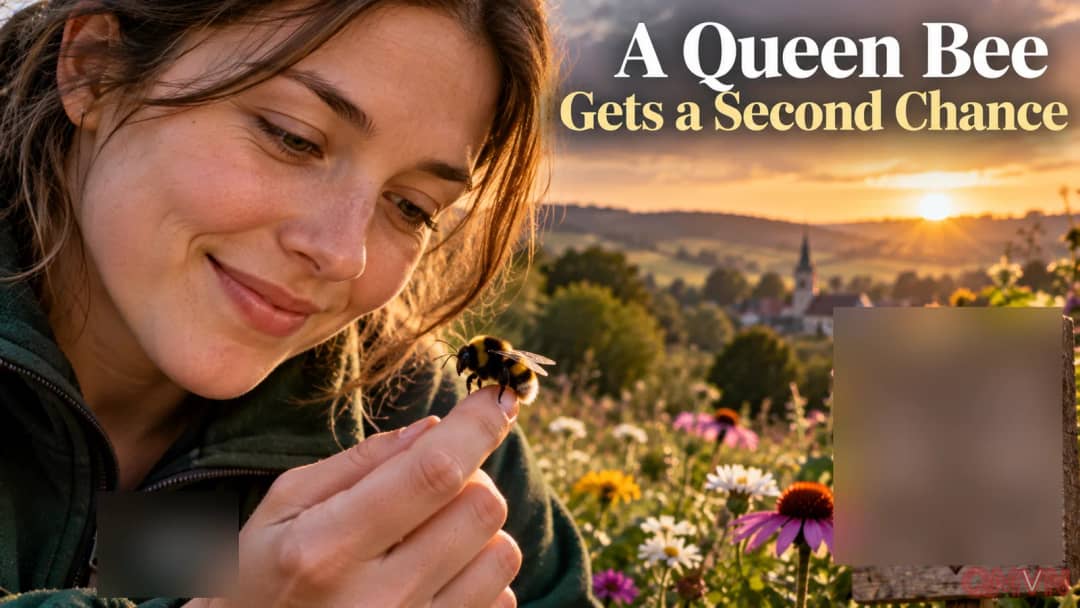
A roadside encounter that lasted far longer than expected
About 52 days before The Guardian published Phoebee’s story, Gilly McArthur found the queen bumblebee lying beside a road in blistering sunshine with a broken wing. Unable to leave her there, McArthur took her home and made a resting place among flowers. She assumed the injured bee would die within a day or two.
Phoebee instead kept going. When McArthur was due to leave on a week-long sailing trip, she did not want to abandon the bee, so Phoebee came too. An Instagram post from the trip unexpectedly travelled far beyond McArthur’s normal audience. Messages arrived from people around the world describing times when they had helped bumblebees, butterflies or other small creatures.
McArthur believes the response may reflect a wider hunger for something authentic and kind at a time of overlapping crises and online feeds dominated by conflict, alarm and attention-grabbing content. Phoebee offered something much quieter: a reason to stop, look closely and care.
One charismatic bee points towards a much larger problem
Andy Benson of the Bumblebee Conservation Trust notes that Phoebee is a buff-tailed bumblebee, among the largest and fluffiest British bumblebees, and as a queen she is especially striking. Her individual appeal, however, sits within a serious conservation story.