MAIN CONTENT
Fresh signals of cooperation in Shenzhen
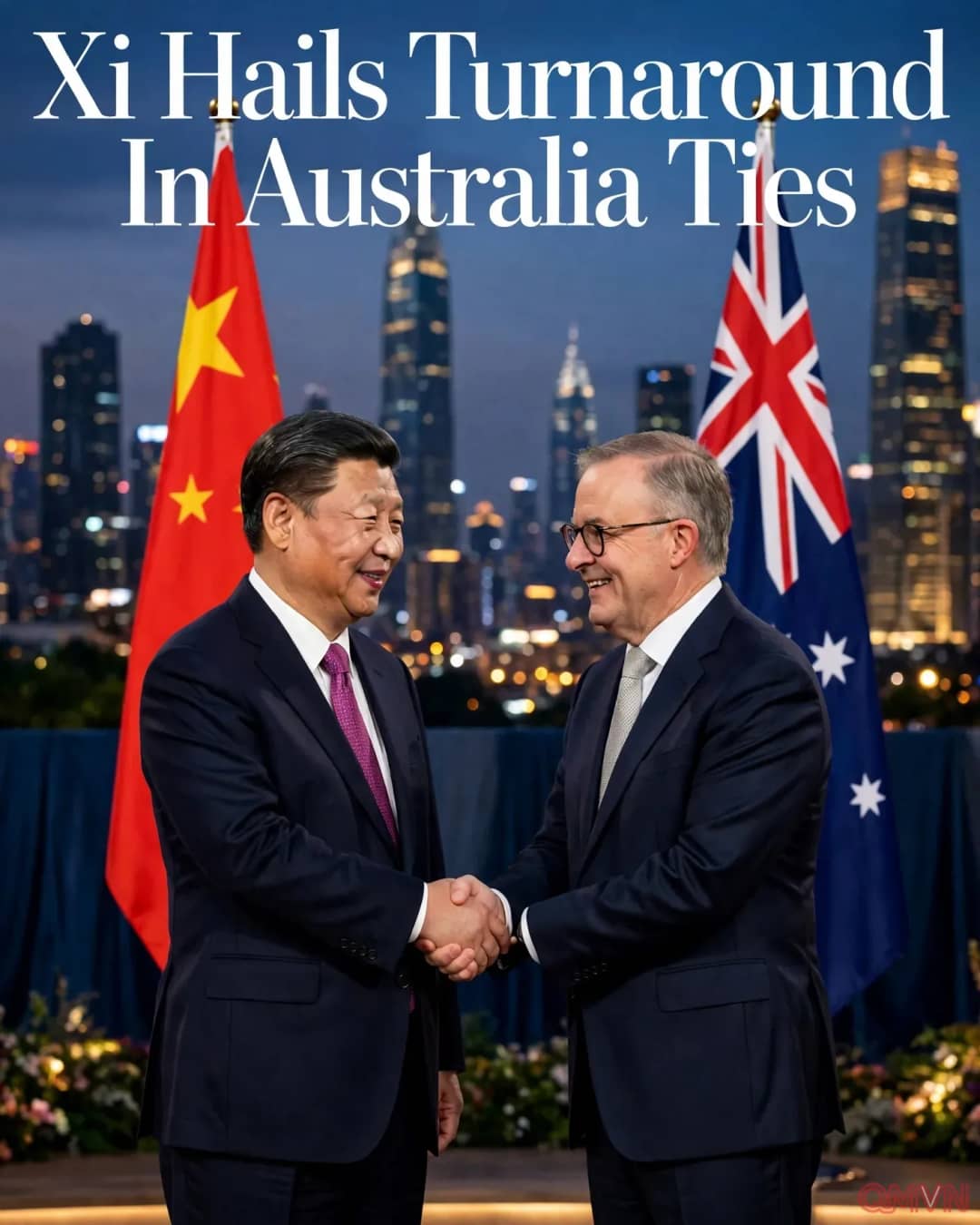
The bilateral meeting between President Xi Jinping and Prime Minister Anthony Albanese on the sidelines of the APEC summit in Shenzhen marked their fourth face-to-face encounter since Albanese took office in 2022. Striking a noticeably warmer tone after years of diplomatic friction, the Chinese leader emphasized that Beijing stands ready to work with Canberra to consolidate recent progress, set aside differences, and broaden practical collaboration.
According to China's official Xinhua news agency, Xi outlined several priority areas for deeper engagement alongside stronger people-to-people exchanges between the two nations:
Expanding high-value agricultural trade by pairing Australia's export capacity with sustained consumer demand across China.
Deepening cooperation in energy, the green economy, and low-carbon transition initiatives to support shared sustainability goals.
Advancing joint engagement in artificial intelligence to unlock new drivers of bilateral economic growth in the digital era.
"Since you took office as prime minister in 2022, we have met four times. I think it is fair to say that together we have brought about a comprehensive turnaround in China-Australia relations." Xi Jinping
Canberra's pragmatic stance amid lingering friction
Speaking at a media briefing after the talks, Prime Minister Anthony Albanese affirmed that maintaining a stable relationship with Australia's largest trading partner serves the national interests of both countries. At the same time, the Australian leader made clear that constructive diplomacy does not mean sidestepping sensitive disputes over regional security or legal cases.
The broader thaw between Beijing and Canberra has continued alongside periodic flashpoints. Even after China lifted a sweeping series of trade barriers on Australian exports, bilateral trust has been tested by events such as a Chinese missile test into the Pacific Ocean and Beijing's detention of Chinese-born Australian citizens on espionage charges.
"It is important that Australia continues to engage in a constructive way with China, manage our differences, but not be defined by them." Anthony Albanese
Iron ore negotiations take center stage in Beijing
Traveling from Shenzhen to Beijing later on Friday, Albanese held separate talks with Chinese Premier Li Qiang, who stated that China is prepared to expand the scale and optimize the structure of bilateral trade while focusing on shared interests.
Albanese was accompanied by senior Australian corporate leaders, including Rio Tinto iron ore chief Matt Holcz and BHP Australia president Geraldine Slattery, for a chief executive roundtable with Chinese counterparts. Those discussions unfold against increasingly tense contract negotiations between Australia's major miners and China's state-backed buyer, China Mineral Resources Group, whose centralized purchasing has amplified Beijing's bargaining leverage and prompted Australian Resources Minister Madeleine King to warn this week that any manipulation of iron ore trade would violate international rules and threaten public revenues.