MAIN STORY
Strikes stretch far beyond Yemen’s front lines
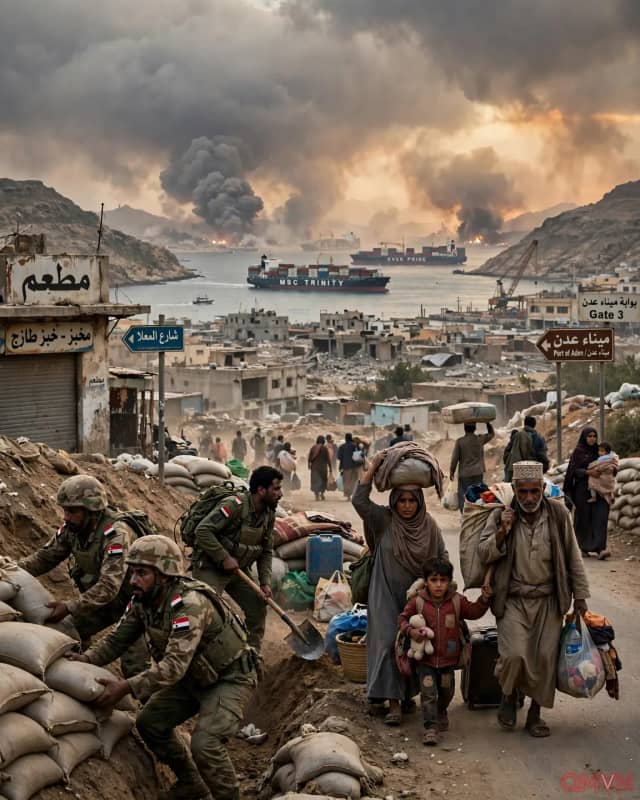
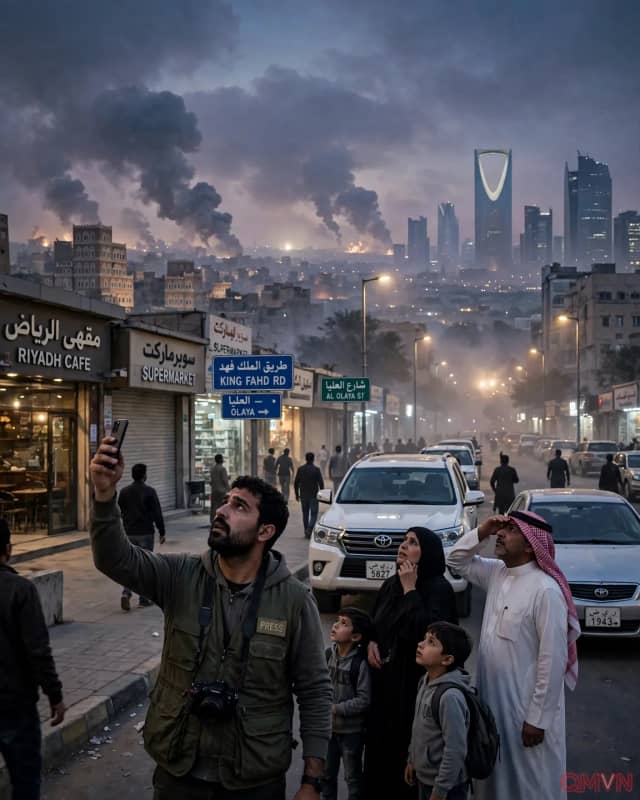
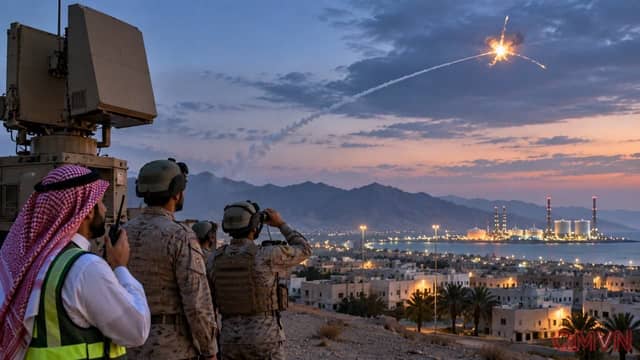
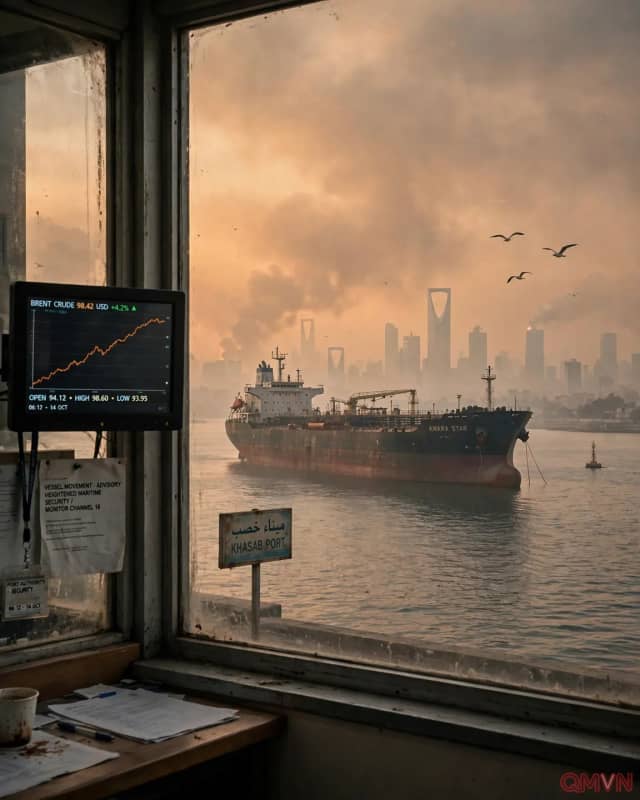
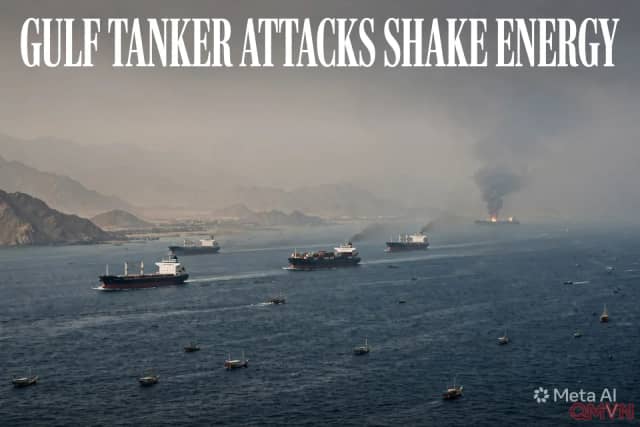
Recent weeks have demonstrated the distance over which the Houthis can exert pressure. According to AP, attacks have affected Riyadh’s King Khalid International Airport and the headquarters of the national oil company, Aramco. The disruption of flights and heightened protection of vital facilities carry costs even when a strike causes limited physical damage. Targets hundreds of kilometers from Yemen are no longer insulated from the war by geography.
On October 17, Reuters reported that the Saudi-led coalition said it intercepted a ballistic missile bound for Yanbu, a Red Sea oil-export center, as well as other missiles and drones. Two missiles also landed at Aden airport in Yemen. Local security authorities blamed the Houthis, who had not immediately claimed responsibility. Those accounts need to remain attributed: an official allegation is not the same as independently verified responsibility.
An arsenal built over a decade of conflict
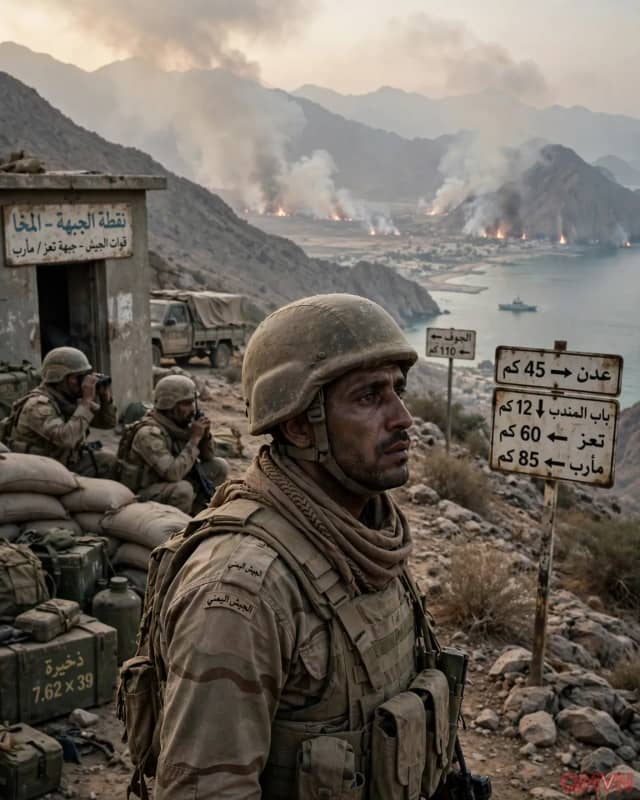
The movement that once relied heavily on northern Yemen’s mountains now fields ballistic missiles, cruise missiles, drones and anti-ship weapons. AP cited a 2024 U.N. expert estimate that Houthi recruitment had grown to as many as 350,000 people from about 30,000 in 2015. A recruitment estimate should not be confused with the number of fighters available for immediate deployment.