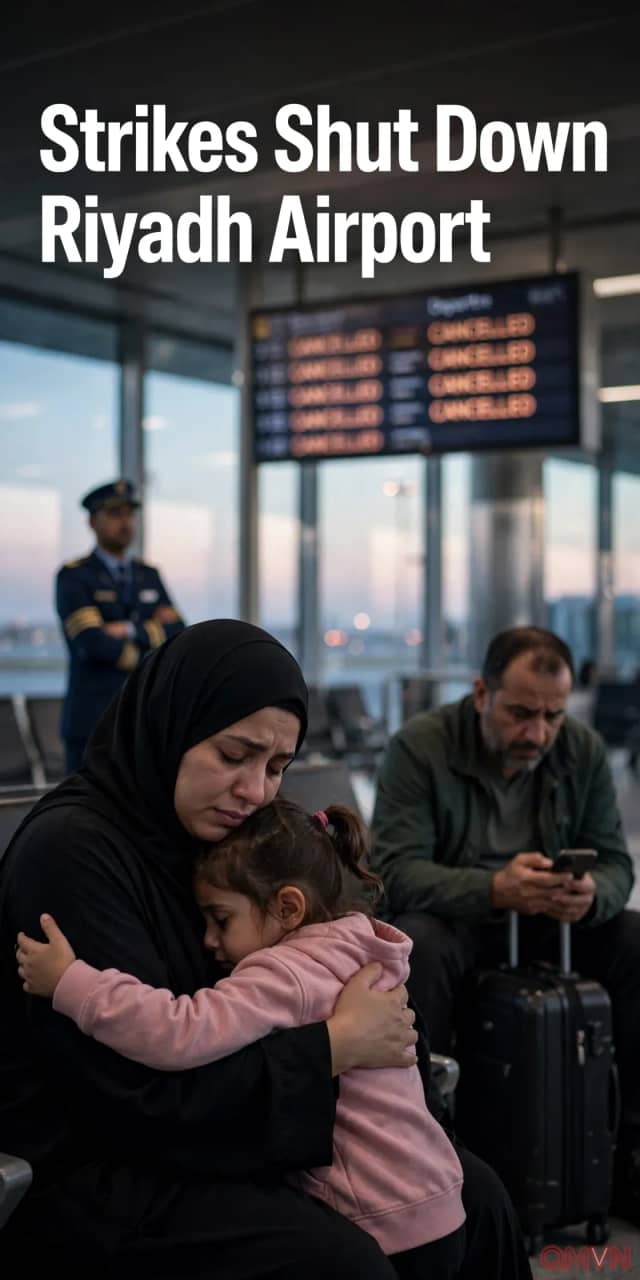
Explosions in the night over Riyadh
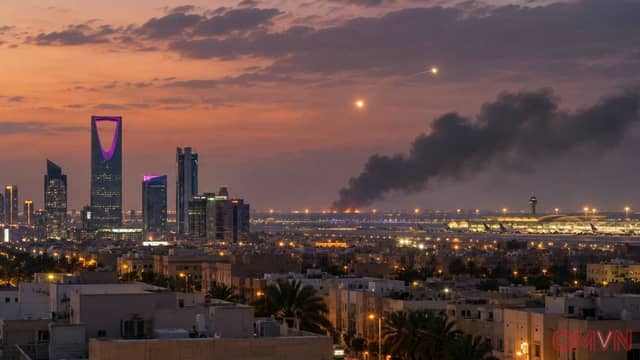
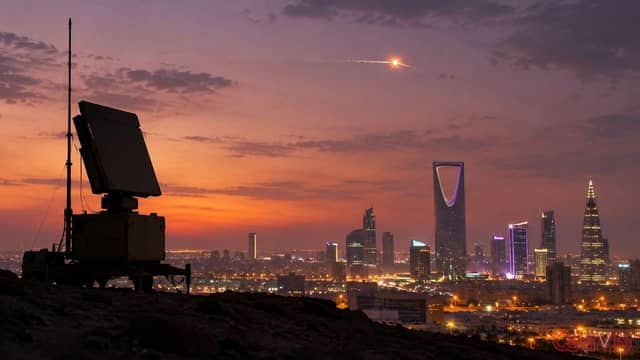
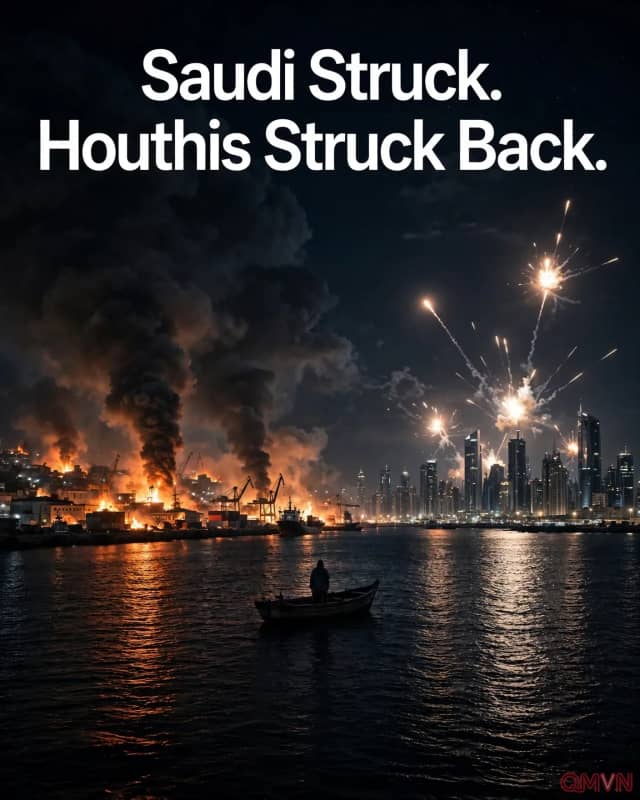
According to AFP, two explosions were heard in Riyadh just minutes after the authorities issued the aerial threat alert. The coalition then announced on X that its air defences had successfully intercepted the missiles.
*“Air defenses intercepted and destroyed three ballistic missiles launched by the terrorist Houthi militia toward Riyadh.” – The Saudi-led coalition*
The statement did not mention casualties or damage. The Houthis did not immediately comment, but on previous occasions the group has said its attacks were retaliation for what it calls Saudi military aggression against Yemen.
A barrage of attacks
Riyadh has become a frequent target in recent weeks:
On Sept. 19, Riyadh sounded its first alert since the escalation, as a ballistic missile was intercepted at dawn and black smoke rose from the fuel storage area at King Khalid International Airport.
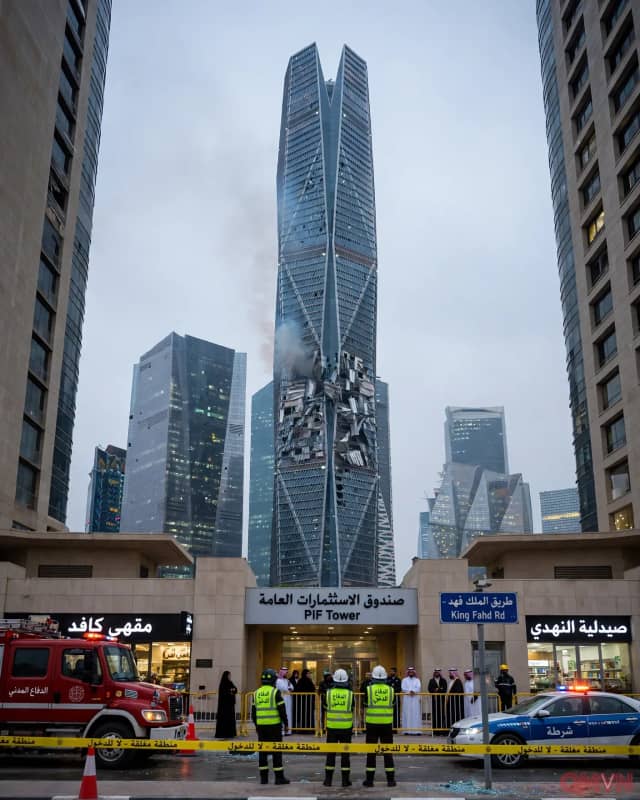
On Nov. 8, witnesses said Riyadh’s financial district was targeted and the Aramco building was damaged.
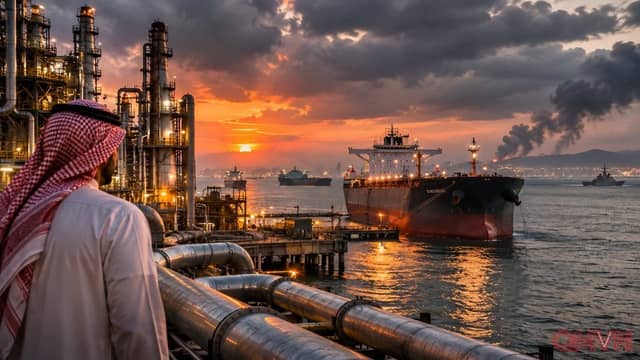
On Nov. 10, Saudi Arabia reported damage to the key East-West oil pipeline, hours before intercepting more missiles aimed at the capital.
On Nov. 15, the coalition said it downed two ballistic missiles aimed at Riyadh and three drones over the oil-rich Eastern Province.
The war on Yemeni soil
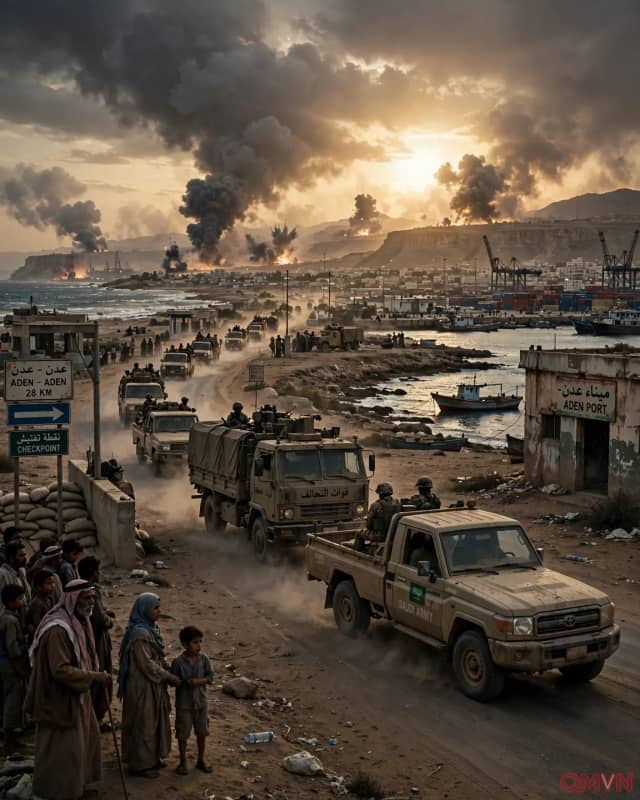
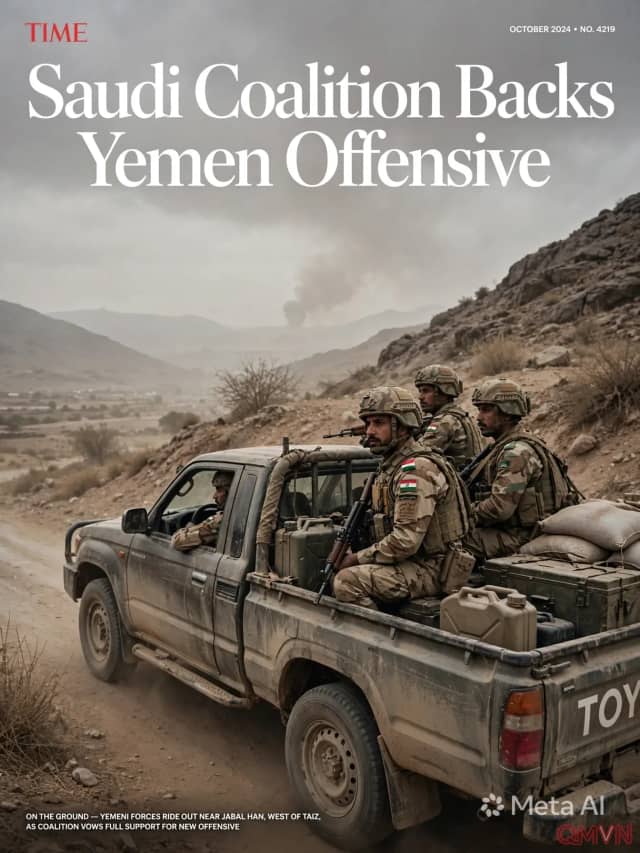
Alongside the cross-border attacks, ground fighting in Yemen has also intensified, particularly in Marib and al-Jawf provinces. The coalition is backing a Yemeni government offensive to retake territory with air strikes, including raids on the Houthi-controlled capital Sanaa.
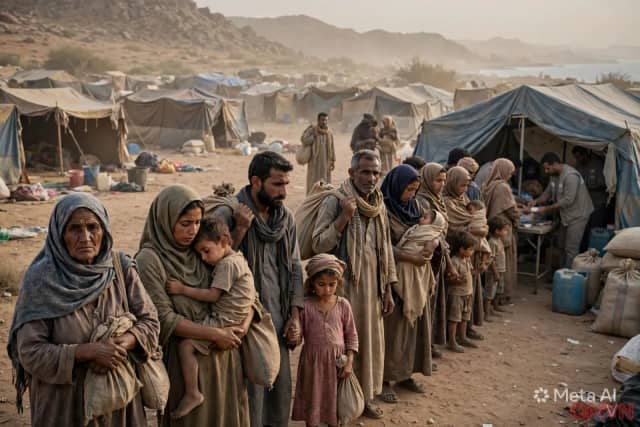
According to the UN’s International Organization for Migration, more than 340,000 Yemenis have been displaced since August. For a country already enduring one of the world’s worst humanitarian crises, the new spiral of violence is pushing millions to the brink.
Saudi Arabia and its allies accuse Iran of arming the Houthis, especially as the war between the United States, Israel and Iran further destabilises the region.
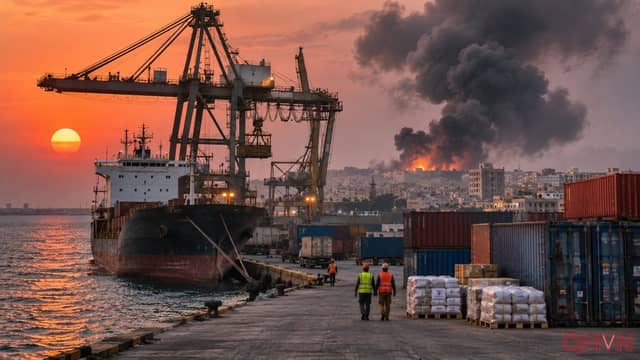
The attacks also carry major economic weight. The East-West pipeline carries oil from fields in the east to the port of Yanbu on the Red Sea, allowing Saudi Arabia to export without passing through the Strait of Hormuz, which is effectively blockaded. Every strike on this infrastructure threatens not only the kingdom’s revenues and the projects of its Vision 2030 plan, but also has a direct impact on global energy markets.