A burst of attacks
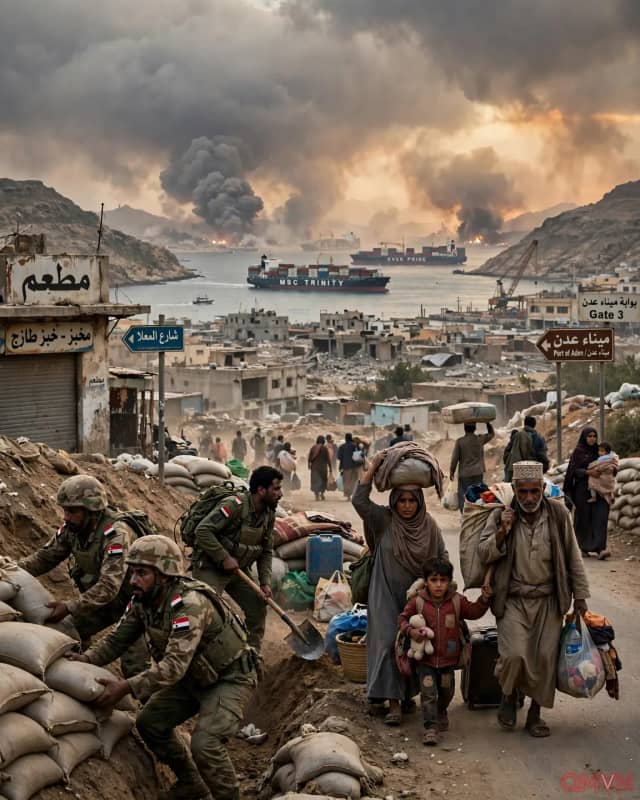
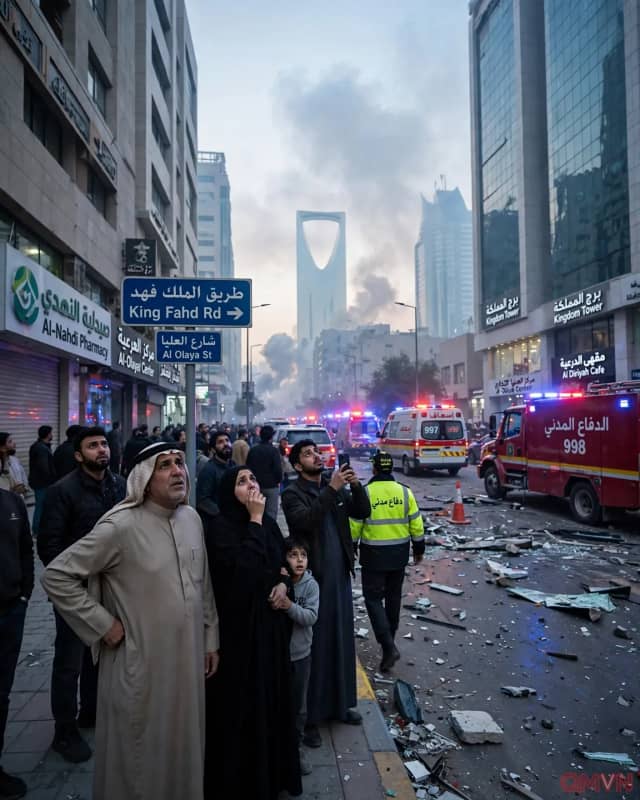
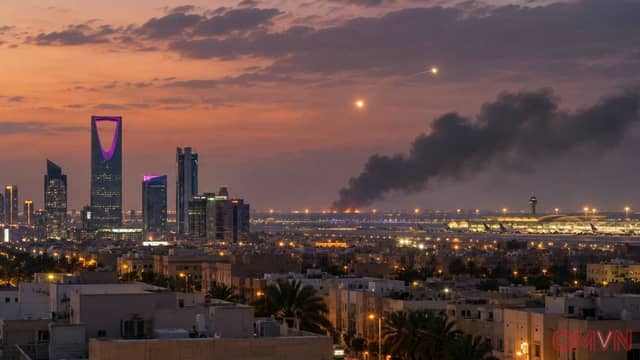
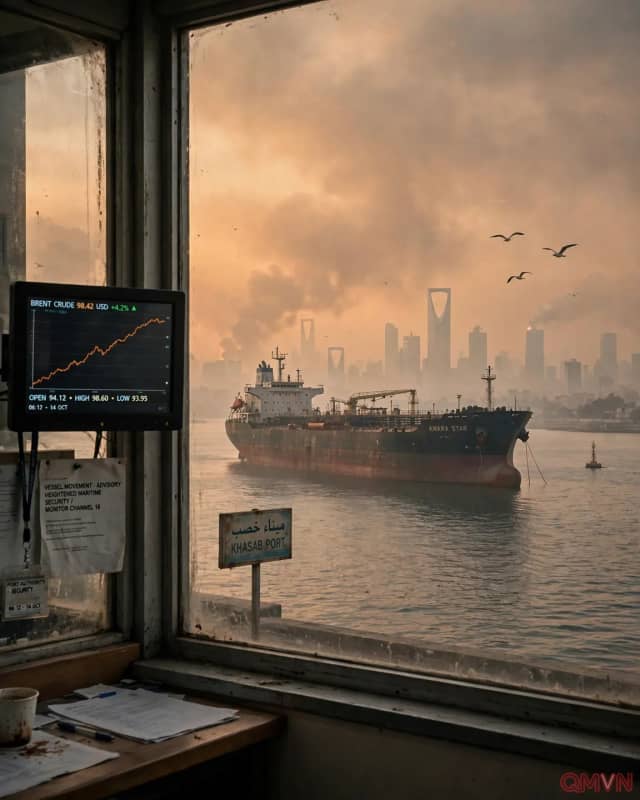
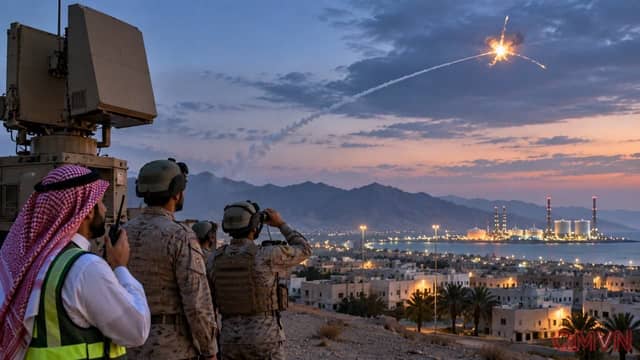
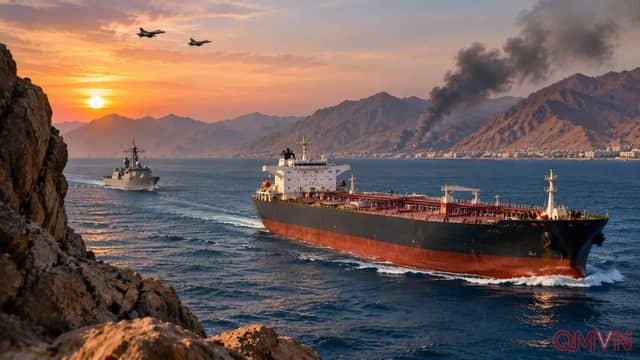
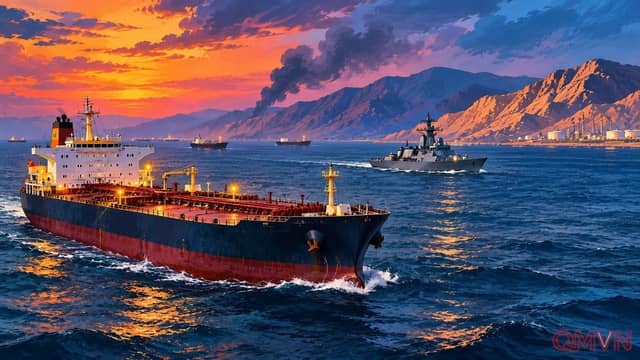
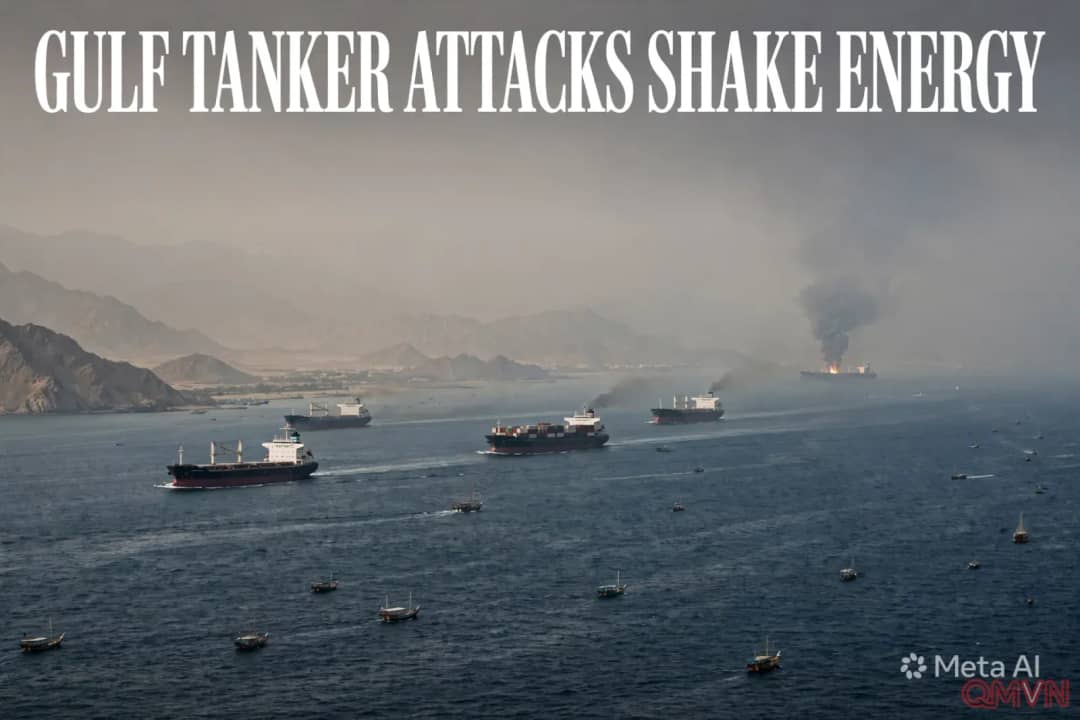
Drone and missile strikes have continued as the Middle East risks plunging deeper into war. On October 5, yet another tanker was hit by an “unknown projectile” while passing through the Strait of Hormuz, causing a fire in the engine room, according to the United Kingdom Maritime Trade Operations, administered by Britain’s Royal Navy. By that evening, the crew was still working to contain the blaze.
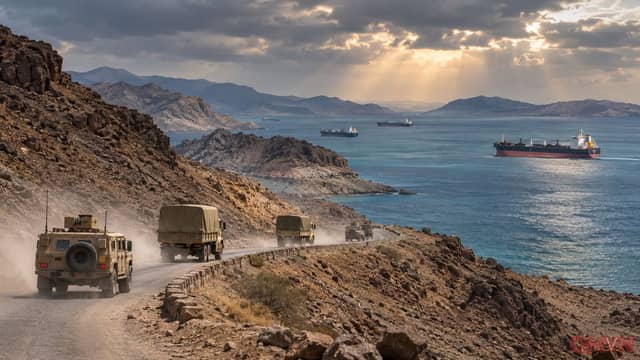
US forces have been escorting tankers through the Strait of Hormuz, which Iran asserted control over after the United States and Israel attacked it more than seven months ago. Gulf oil exports have recently reached their highest level since the war began, but the string of attacks is a reminder that this recovery rests on a series of risky workarounds.
“One of the worst crises”
Speaking at the Energy Intelligence Forum in London on October 5, Saudi Aramco chief executive Amin Nasser acknowledged the unprecedented severity of the crisis.
Few expected a near closure of the world’s most critical energy artery to last so long, or its impact to spread so widely. This is one of the worst crises of my career, and my career is long.