MAIN CONTENT
When a helpful tool becomes a demand for perfection
Counting steps, logging meals and monitoring heart rates are no longer practices reserved for elite athletes. Smartwatches have turned ordinary routines into charts that refresh throughout the day. For someone trying to build a habit, regular feedback can reveal inactivity, inconsistent bedtimes or trends worth discussing with a clinician. The trouble begins when the purpose shifts from understanding the body to constantly outperforming a target chosen by an application or by oneself.
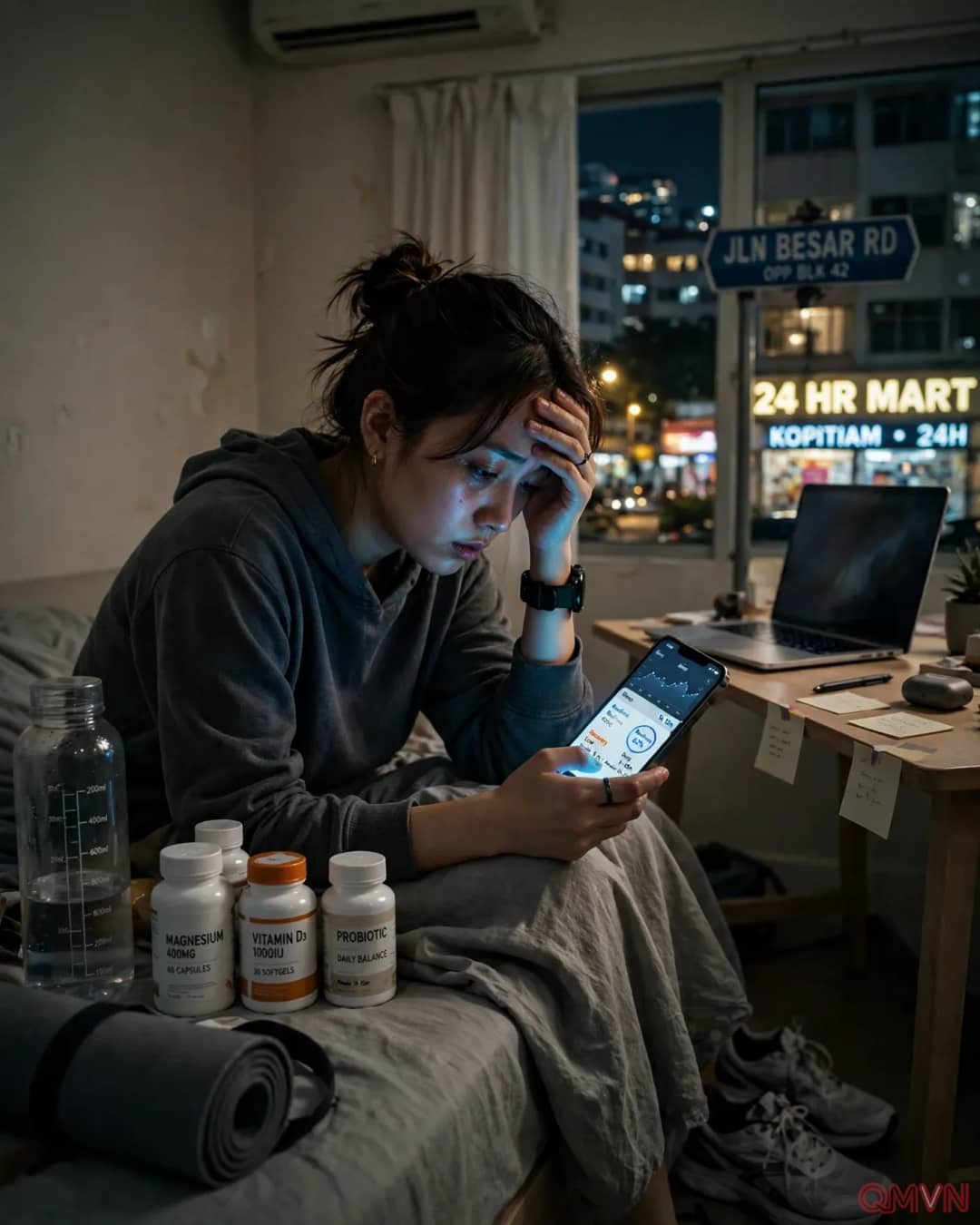
Someone may wake feeling refreshed only to discover that a sleep tracker assigned a disappointing score. A walk with family may bring connection and pleasure, yet an app insists the day's exercise goal remains incomplete. If lived experience repeatedly loses to a metric, rest can start to resemble failure. Researchers use the term “orthosomnia” for a pattern in which a preoccupation with achieving ideal sleep data may itself interfere with sleep. It remains a developing research concept, not a diagnosis that applies to everyone who wears a tracker.
Studies of self-monitoring describe guilt, pressure and repetitive checking among some users. That does not establish that all wearables cause compulsive behavior, nor does enjoying personal records amount to illness. A more practical test is whether the technology leaves its owner freer, calmer and better informed—or less able to accept an ordinary day that falls short of a number.