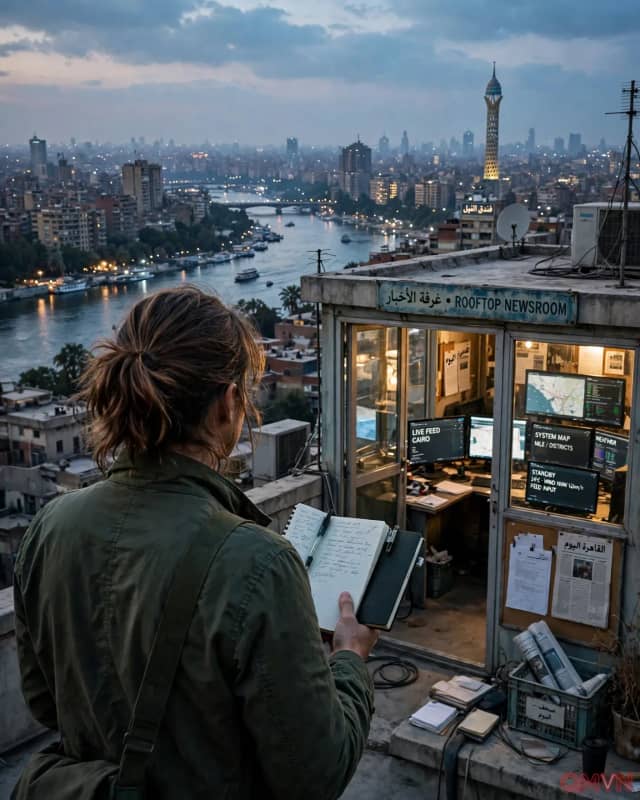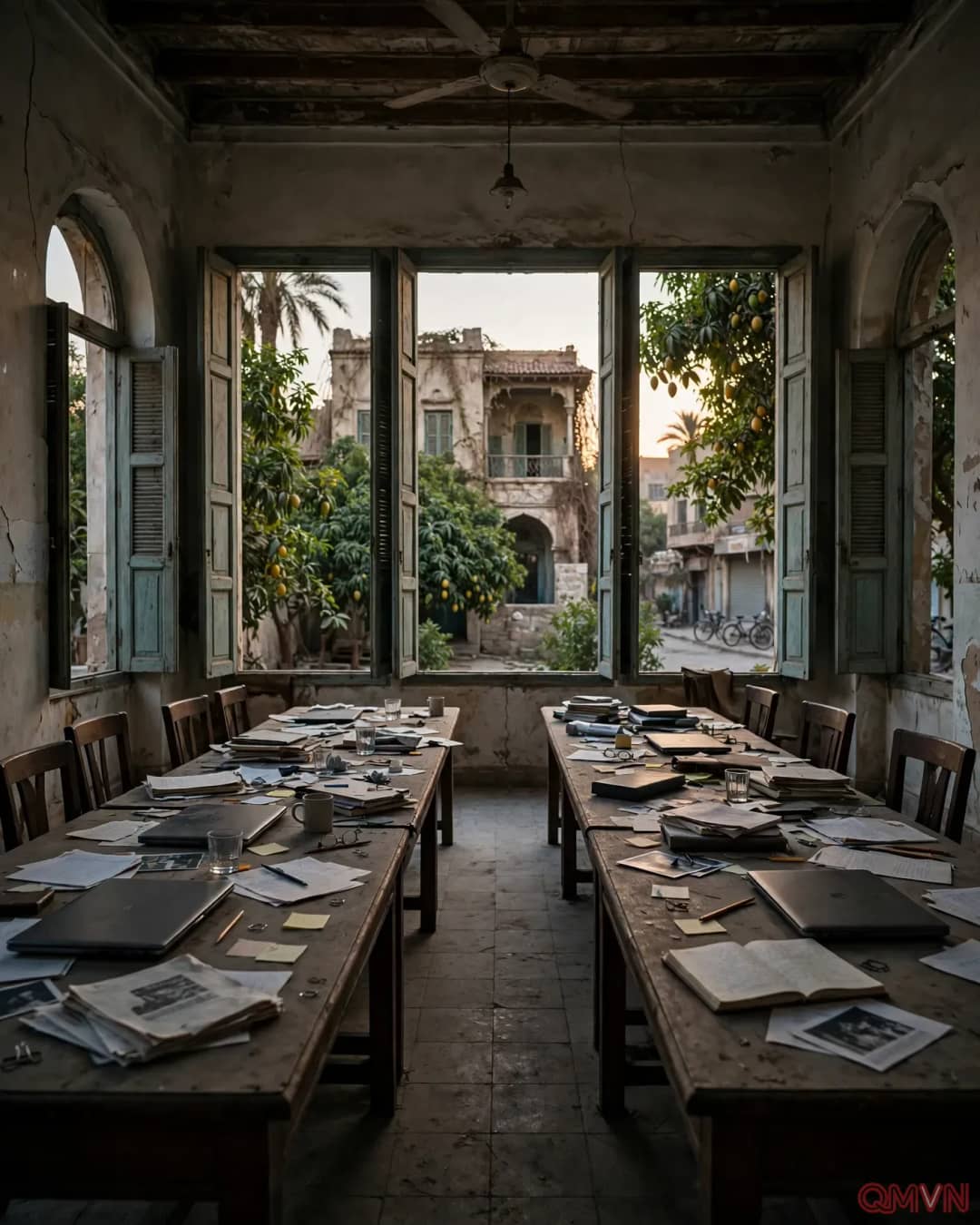
A newsroom among mango trees
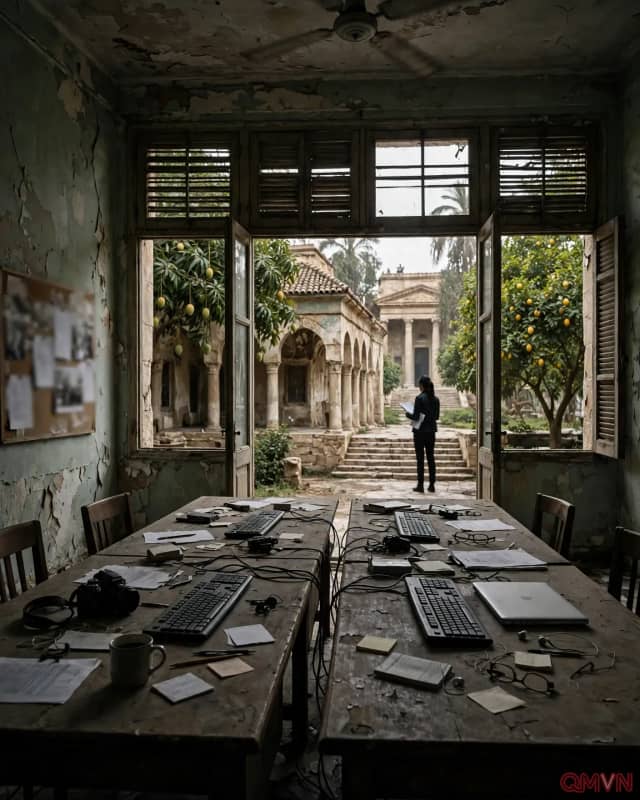
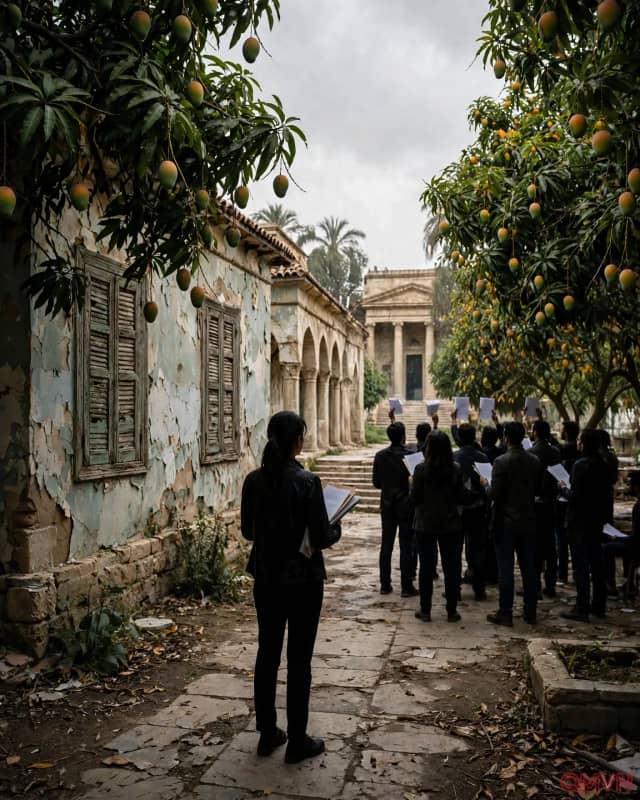
For more than a decade, the villa tucked among mango and lemon trees served as the beating heart of Mada Masr. Reporters argued over headlines at two long tables, editors chased deadlines late into the night, and stories took shape that would be read closely by diplomats, researchers and foreign correspondents trying to understand Egypt. Today the rooms are empty, the doors locked, the clatter of keyboards replaced by birdsong.
Founded in 2013, Mada Masr carved out a rare space in a media landscape dominated by outlets owned by or aligned with the state. Its investigations have won international awards, and although its website has been blocked inside Egypt since 2017, it has kept reaching readers through mirror sites and social media. Investigations and fines have come before, but this time, Attalah told Reuters, the outlet is in “existential danger”.
A swift trial, a maximum sentence
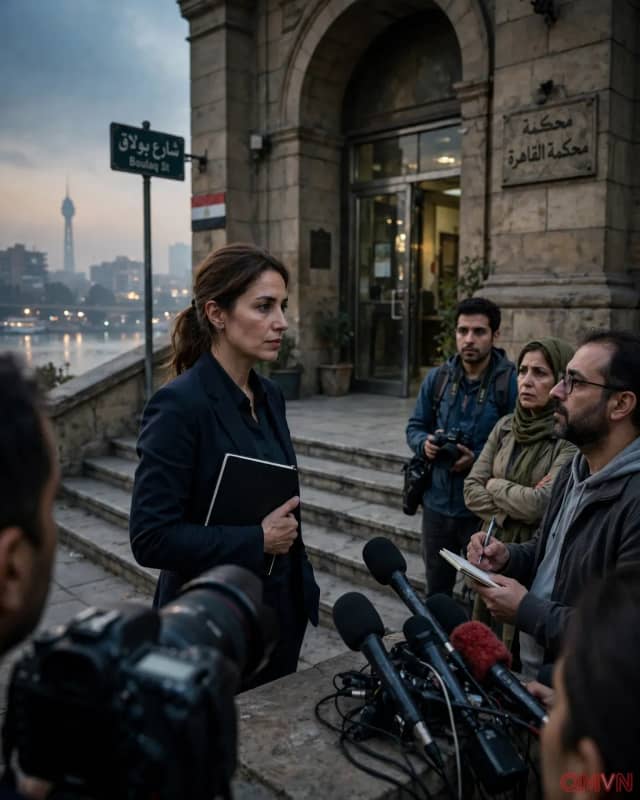
The verdict came after a single hearing at the New Cairo Misdemeanour Court. According to Mada Masr’s account, the judge rejected defence requests to review case documents and hear witnesses, then appointed a court lawyer to represent Attalah over her own objection, even though eight of her lawyers were present. The court imposed the maximum penalty and ordered the website closed and its equipment confiscated. It was the sixth legal case against Attalah and the outlet in six years, and the first to reach trial.