MAIN CONTENT
A medical assessment with legal consequences
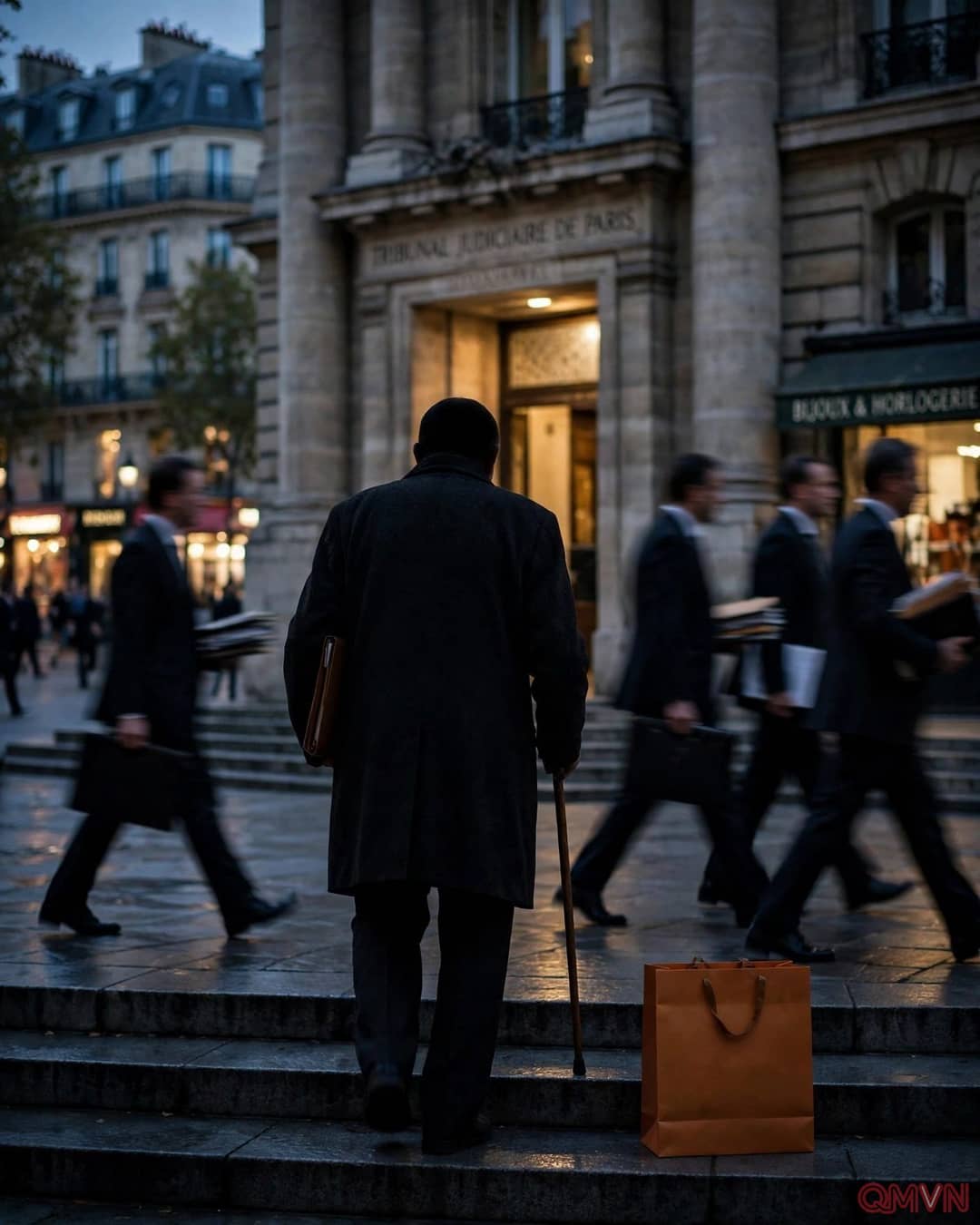
The examination order places Puech’s capacity to understand or resist financial decisions under scrutiny. Under French law, exploitation of a vulnerable person's weakened condition can constitute an offence commonly described as abuse of weakness. Investigators may therefore view evidence of vulnerability as relevant to the legal classification of alleged conduct. Yet an assessment ordered during an investigation is not a medical finding, and even a finding of vulnerability would not by itself demonstrate that a crime occurred.
Two people with direct knowledge told Reuters that psychiatrists had been instructed to examine Puech. They also said Montavon had appealed the measure. The prosecutor's office declined comment, while representatives for Puech and LVMH did not respond substantively to Reuters. That limited public record matters: the precise questions to be put to the experts, the timing of their work and any conclusions remain unknown.
The missing shares and contested transactions
Puech has said his holdings disappeared without his knowledge. The former Hermès shareholder claims he trusted Swiss wealth manager Eric Freymond for decades and learned of the loss only after ending their relationship in 2022.
Freymond, who died in 2025, denied wrongdoing while questioned by French prosecutors. In a 2025 interview with L’Express, Puech described how his adviser controlled signatures and prepared documents—an account that illustrates why the paper trail has become central to the dispute.
The financial history is unusually intricate. Reuters reported that a 2002 arrangement linked LVMH and Freymond, who subsequently received at least $20 million in fees and commissions associated with the luxury group's Hermès share-building. LVMH accepts that it worked with the adviser to accumulate shares, but maintains it did not intend to acquire Puech’s holdings through misconduct. Its court filings reject suggestions that it knowingly engineered the disappearance of his portfolio.
A delicate distinction between allegations and proof
Prosecutors have examined Freymond’s role and that of Montavon, a Swiss lawyer who advised LVMH in earlier share transactions. Montavon was placed under formal investigation in May, according to Reuters, on suspicion of involvement in the alleged diversion of Puech’s shares. He denies any wrongdoing. Formal investigation is a procedural status, not a conviction. Similarly, a civil claim naming LVMH and Arnault does not mean either has been criminally charged.
Puech brought a civil action last year seeking €14 billion in damages from parties who might ultimately be found responsible. LVMH and Arnault were named as defendants in that action but neither has been identified as a formal suspect in the parallel criminal investigation. The value of the alleged missing stake, estimated at about $9 billion at prevailing market prices, adds urgency while also complicating the calculation of losses and remedies.
Trust, oversight and the cost of uncertainty
A fortune can be difficult to trace when authority is delegated through intermediaries, legal vehicles and complex securities arrangements. Investigators must distinguish between authorized transactions, disputed transfers and possible deception by reconstructing instructions and beneficial ownership over time. The examination of Puech is only one potential piece of that evidentiary puzzle; transaction records and independent corroboration remain crucial.
The story also tests the reputation of an industry whose public image rests on craftsmanship, continuity and confidence. For investors, the practical concern is less the dramatic sum than the basic architecture of accountability: independent custody records, clear authorization, regular reconciliations and meaningful challenges to concentrated control. The courts, rather than market speculation, will decide what the evidence ultimately proves.