MAIN CONTENT
Historic representation is not the same as inclusion
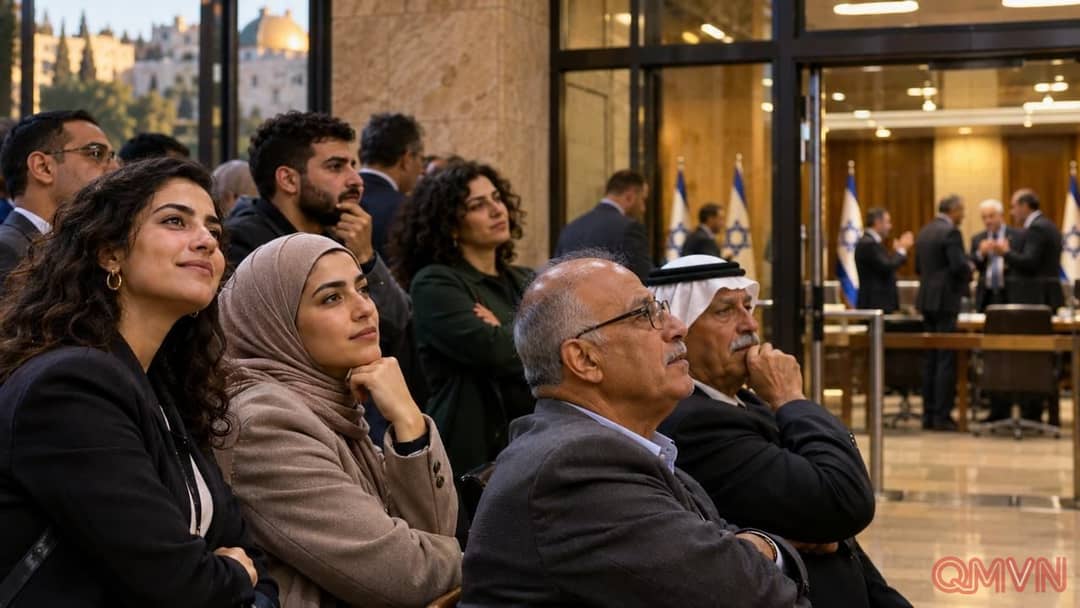
The 19 seats mark a dramatic rise in parliamentary representation. The Joint List secured 11 seats and Ra’am won eight, nearly doubling the combined Arab-party total from the 2022 election. Higher turnout in Arab communities helped produce an outcome that neither major Jewish-led political bloc can simply disregard.
But leverage is not the same as a coalition agreement. A party may have enough votes to influence the outcome while finding itself excluded from substantive negotiations. Whether the parties are treated as legitimate partners rather than emergency parliamentary support is the central test emerging from the election.
The arithmetic of 61 and the politics of trust
The Netanyahu-aligned bloc holds 53 seats and the main opposition camp has 48. With 61 needed for a majority, the 19 Arab-party seats offer an apparent route to a different government, but the sum of 48 and 19 conceals serious political disagreements. The vote count does not prove that a durable coalition exists.