MAIN CONTENT
An investigation with important unanswered questions
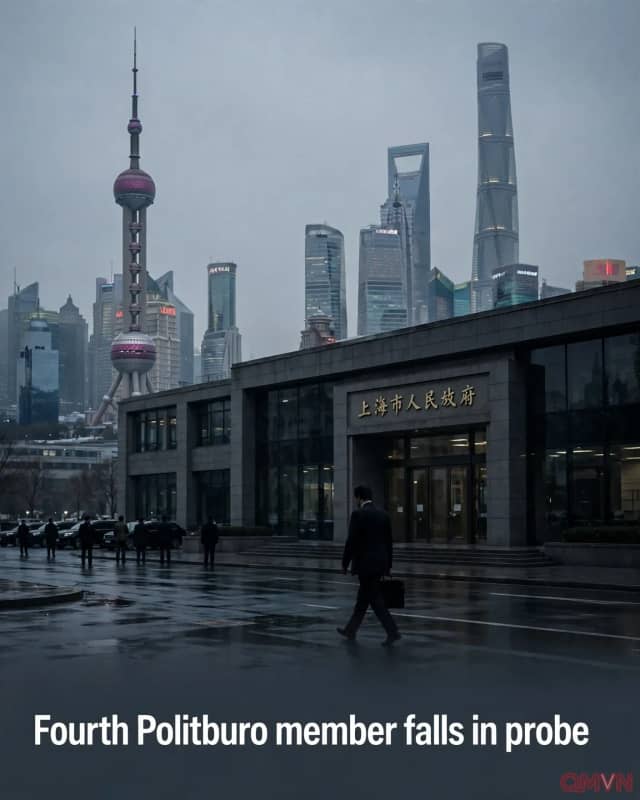
The Associated Press reported on November 24 that the Central Commission for Discipline Inspection was investigating Chen. The official announcement referred broadly to suspected breaches of party discipline and law. It did not disclose particular transactions, amounts of money, beneficiaries or evidence. Accordingly, the public information supports reporting the existence of an investigation, not asserting that any particular offence has been committed.
Reuters reported that Shanghai's party newspaper described an extraordinary leadership meeting and a renewed commitment to the priorities of the central authorities. Such statements are significant in a political system where local leaders are expected to follow national party decisions. They nevertheless provide little insight into the substance of the inquiry. The availability of legal representation and Chen's own response remained unclear in the reporting.
Why Shanghai's leadership matters
Shanghai's importance extends beyond its administrative boundaries. Its ports, financial institutions and international business networks connect China with global commerce.
The municipality must coordinate national objectives with practical decisions concerning investment, urban services and economic development. A leadership investigation therefore raises questions about the continuity of administration, although it does not by itself establish that economic policies will change.
Chen's professional history adds another dimension. Before taking charge of Shanghai, he held senior positions in environmental administration and municipal government and led Tsinghua University. His background illustrates the role that technical expertise can play in political careers. The inquiry also shows why observers should not treat professional credentials or prominent appointments as reliable guarantees of future advancement.
Discipline, accountability and institutional continuity
The campaign against corruption has been a defining feature of Xi Jinping's leadership since 2012. Its stated purpose is to strengthen discipline and address abuses of office. Supporters see investigations of senior officials as evidence that high rank need not confer immunity. From an accountability perspective, however, meaningful public scrutiny also requires clarity about allegations, evidence and procedures. These considerations can coexist without prejudging an individual case.
The distinction is especially relevant when an internal party investigation might eventually lead to criminal proceedings. The first announcement does not establish what later stages will occur. Nor does a statement of institutional solidarity determine whether allegations are substantiated. For Shanghai, the practical test is whether normal administrative functions remain dependable while the competent authorities carry out their work.
A regional relationship to watch
The Shanghai–Taipei city forum provides a municipal channel for communication across the Taiwan Strait. Reuters reported that China's Taiwan Affairs Office reaffirmed support for exchanges when questioned about the investigation. That response indicates an announced policy position, rather than a guarantee about the arrangements or timing of future meetings.
The value of such channels lies in their ability to sustain practical communication despite broader political differences. The investigation has not itself established a change in cross-strait policy. Future official announcements, rather than assumptions about the personal influence of one official, will be the appropriate basis for assessing whether municipal exchanges continue.