MAIN CONTENT
An ambitious departure, followed by an unexpected loss
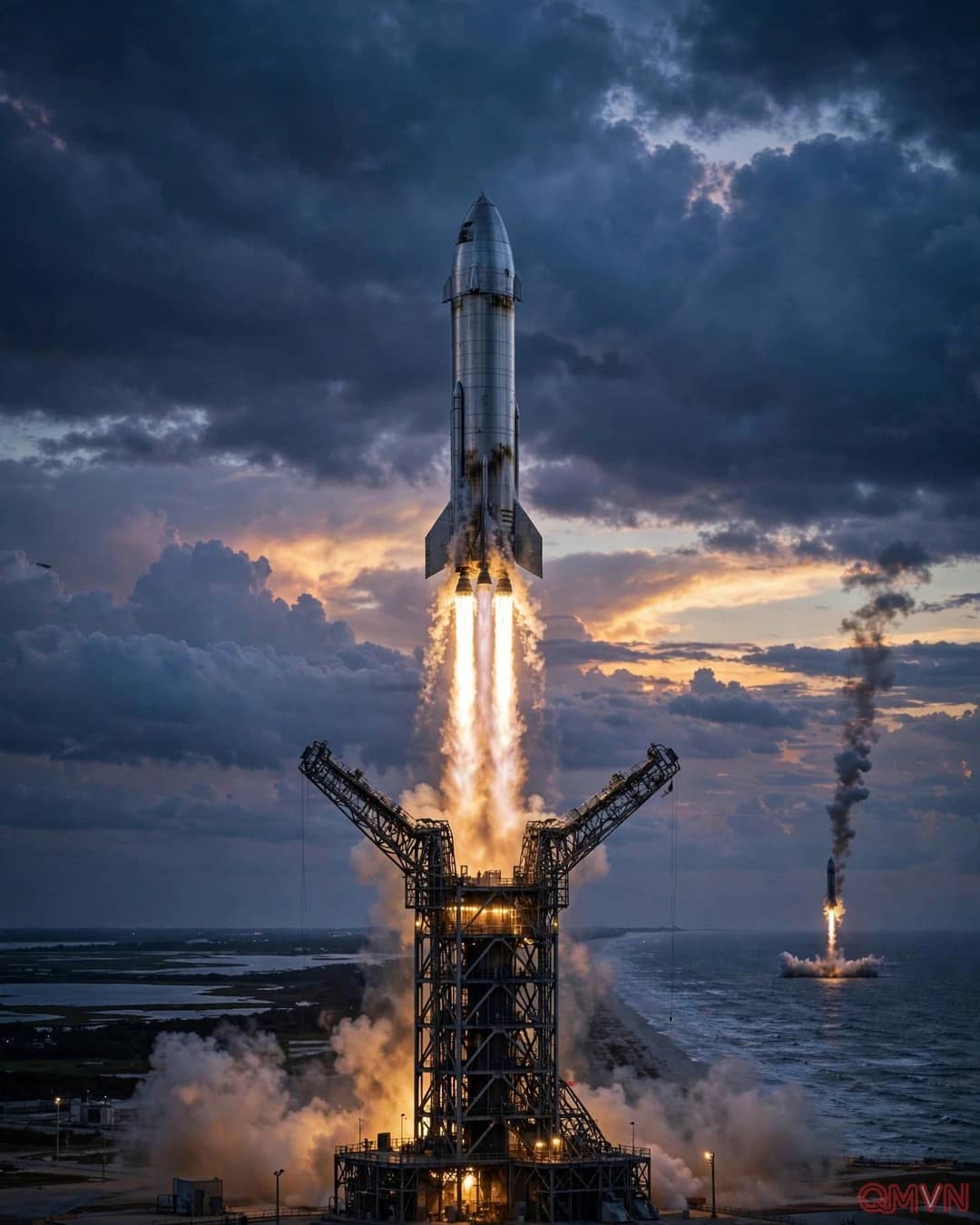
At the coastal Starbase complex near Brownsville, the combined Starship and Super Heavy vehicle rose on November 13 for the system's fifteenth flight test. The upper spacecraft separated from the booster shortly after liftoff and reached orbit about 27 minutes into the mission, according to SpaceX. It was a considerable milestone for a rocket whose development has proceeded through a deliberately iterative succession of tests, failures and redesigned hardware.
The initial plan called for both stages to return to the launch site, where giant arms attached to the launch tower would catch them in flight. That choreography ended early for the first stage. Controllers abandoned the planned booster catch and routed Super Heavy offshore, where it briefly hovered and then exploded near the sea. The precise cause had not been established in the initial reports; an aborted recovery does not, by itself, explain the underlying technical fault.
A satellite mission inside a reusable-rocket experiment
While the booster recovery failed, the upper stage completed another major task: deploying all 26 Starlink satellites it carried. The payload demonstrates why testing Starship matters to the company's existing business as well as to its future ambitions.