The Risk Known as the “Key Person”
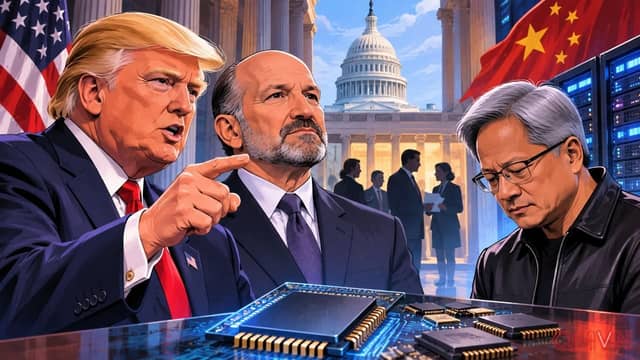
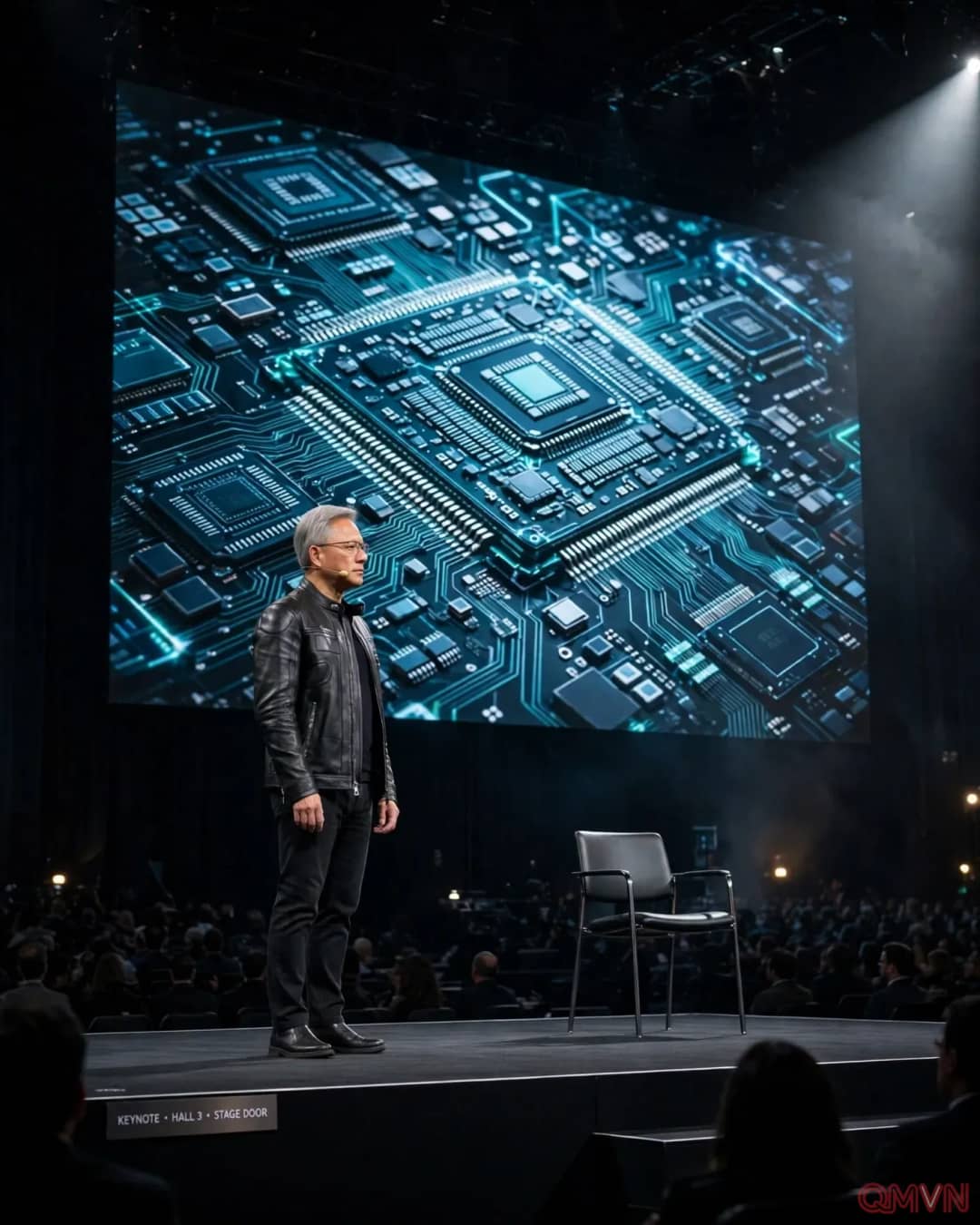
Nvidia's stock plunged as much as 8% during Monday morning trading and closed down 4.27% amid investor concerns over the future of its 63-year-old co-founder and CEO. Huang has previously expressed skepticism about formal succession plans, instead emphasizing his hope to cultivate a next generation of leaders to create multiple potential successors.
With roughly 60 direct reports, Huang manages Nvidia through a flat organizational structure, believing that leadership should continuously share knowledge and information as soon as it becomes available. While this model fosters agility, it also means that critical decisions revolve heavily around a single individual.
“If it’s true that they don’t really have a succession plan, that’s a problem. It’s very difficult to follow the traditional approach at companies with a rock star CEO,” said David Larcker.
Warning in Nvidia’s Own Filings
Nvidia’s latest proxy statement to shareholders highlighted the company’s heavy reliance on its long-tenured leadership team, cautioning that the absence of an effective succession plan could hinder the company’s strategy, execution capabilities, and long-term success. Key points included:
Huang co-founded Nvidia in 1993 and made a bold bet on graphics processors, transforming the company into a driving force behind the AI boom.