MAIN CONTENT
Shelter built from necessity, not a master plan
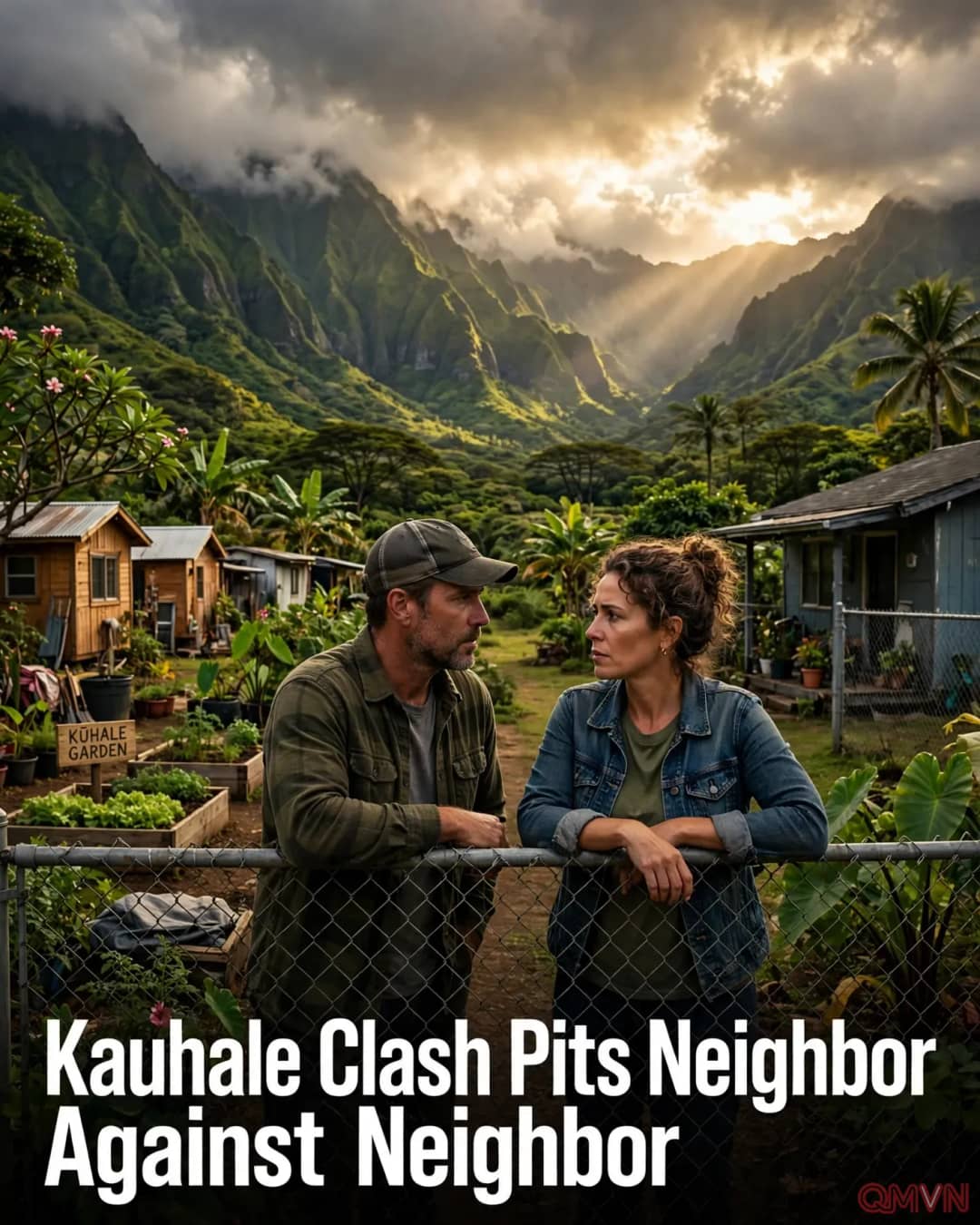
Beneath the Koʻolau mountains, Hui Mahiʻai ʻĀina offers a different image of life after homelessness. Residents pay roughly $250 monthly for small, timber-framed rooms; some newer arrivals stay in tents. Fruit trees and vegetables grow nearby. McMillan, now 72, says she learned from parents who fed struggling neighbors. Richard Muraoka, a resident who described losing his son and subsequently living in a park, credits the village with helping him survive. Such testimony illuminates why supporters are reluctant to regard the settlement as merely an unauthorized construction project.
The first homes appeared during the COVID-19 pandemic, when people were sleeping along Kalanianaʻole Highway. McMillan invited them to help clear a state-owned parcel and build shelter, although the land was zoned for agriculture and lay in a flood zone. Her initiative grew into an informal community with rules requiring residents to stay sober. Its success in providing immediate refuge later encouraged public officials to consider a more durable, serviced version, even as the circumstances of its creation raised questions about government oversight.
A larger village brings larger obligations
The proposed Hui Mahiʻai Village would be built elsewhere on the same 14-acre state parcel, neighboring Hawaiian homestead lands. Planned facilities include water, sewers, electricity, a shared kitchen, health services, classrooms and gardens. It is designed for 188 residents in 116 single, double and family units.
The state Office of Homelessness and Housing Solutions and the nonprofit aio Foundation are working together; the foundation's development arm received a 65-year lease in February 2026. Supporters argue that coordinated housing and services can help people rebuild more stable lives.
But neighbors say the physical transformation is already consequential. Cindy Parker, whose family home borders the proposed site, says fill dirt raised parts of the neighboring ground by about 13 feet and worsened flood concerns after March storms. She also reports dust-related breathing difficulties. Project representatives say drainage concerns have been addressed, and officials describe additional fencing and engineering changes. The competing accounts show why detailed flood models, transparent inspections and ongoing maintenance matter as much as an attractive vision for the finished village.
A dispute rooted in Hawaiian history
This is not solely a debate about the number of houses. The property is associated with former Crown Lands, whose history reaches from the nineteenth-century Hawaiian Kingdom through the 1893 overthrow and eventual transfer to the state. Some Native Hawaiian residents question how public-trust obligations and neighboring homestead rights should shape development decisions. Opponents also seek stronger protection for the area around Ke Ana Luawai, a cave described by community members as culturally significant. A commissioned surface survey identified no historic property within the project area, but state officials requested archaeological monitoring because subsurface information remained incomplete.
Local disagreement does not divide neatly between concern for unhoused people and hostility to them. Some opponents previously helped construct the original tiny homes and emphasize that their objections concern process, infrastructure and cultural resources. Some advocates, by contrast, believe resistance reflects anxiety about welcoming additional homeless residents. Neighborhood Board chair Kimeona Kane has spoken of damage to long-standing relationships, while the state homelessness director Jun Yang emphasizes the need to move people from streets into stable homes. Neither account, on its own, resolves the full set of concerns.
The limits of emergency speed
Governor Josh Green's 2023 homelessness emergency proclamation enabled qualifying projects to bypass some preliminary zoning, permitting and environmental-review steps, although health and safety obligations remain. That flexibility has helped officials move faster, but critics say it left people with too little opportunity to influence a project next door. The October 6 community meeting drew emotional testimony, pointed exchanges and appeals for greater respect. A symbolic apology from McMillan did not settle the substantive questions about site preparation, flood protection and historical responsibility.
By November, work had paused while Honolulu permit officials and state historic-preservation authorities reviewed submitted material, including an archaeologist's report. Yang characterized the review as part of the normal process, not necessarily a prolonged interruption. Opponents, some organized through Pono ʻOluʻolu, were exploring legal action. The project's future therefore depends on more than engineering clearance: independent evidence, accessible decisions and sustained dialogue could determine whether neighbors can share a place without deepening a fracture that may outlast the construction itself.