MAIN STORY
A general’s warning and Seoul’s reply
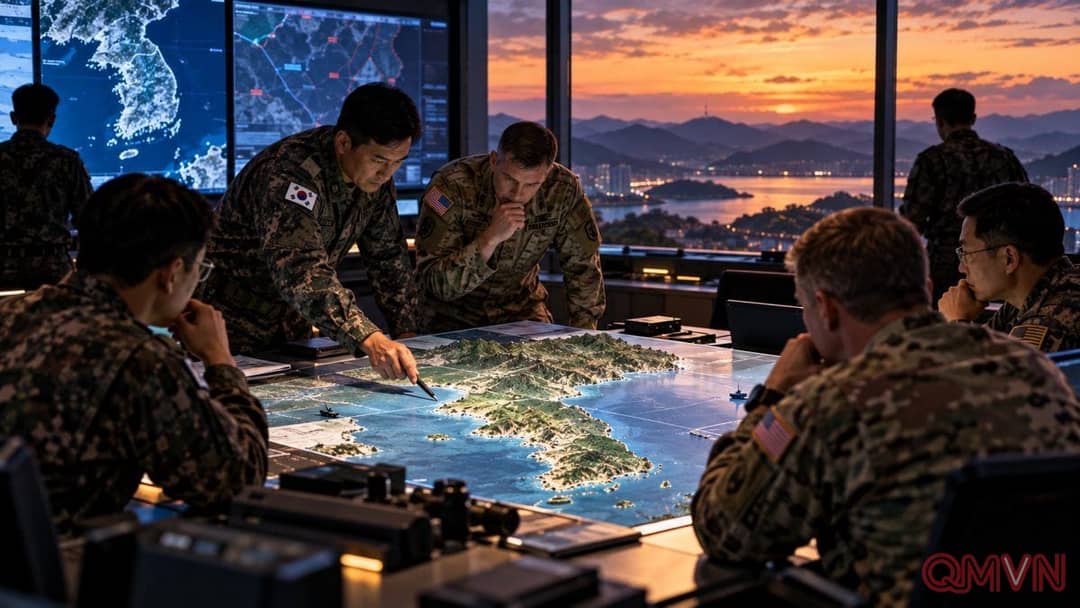
Speaking in Washington on October 14, General Xavier Brunson said changes in operational plans and conditions demanded standards that the allies must continue to meet. He pointed to recent North Korean missile launches to illustrate a security environment that does not stand still. His central argument was not that wartime command should never change hands, but that any change must leave the alliance able to perform essential missions under pressure.
South Korean Defense Ministry spokesperson Chung Binna responded that the principle of transfer upon fulfillment of mutually agreed requirements remained intact. U.S. Forces Korea similarly reiterated its commitment to a conditions-based approach. The distinction is significant: a senior commander’s description of new operational challenges is not, by itself, formal evidence that the two governments have rewritten their approved transition plan.
A three-stage test of readiness
The transition framework uses three milestones: Initial Operational Capability (IOC), Full Operational Capability (FOC), and Full Mission Capability (FMC). The allies certified IOC in 2019 and have been working on FOC assessments in 2026.