From a “cell-like” flat to the Tuscan coast
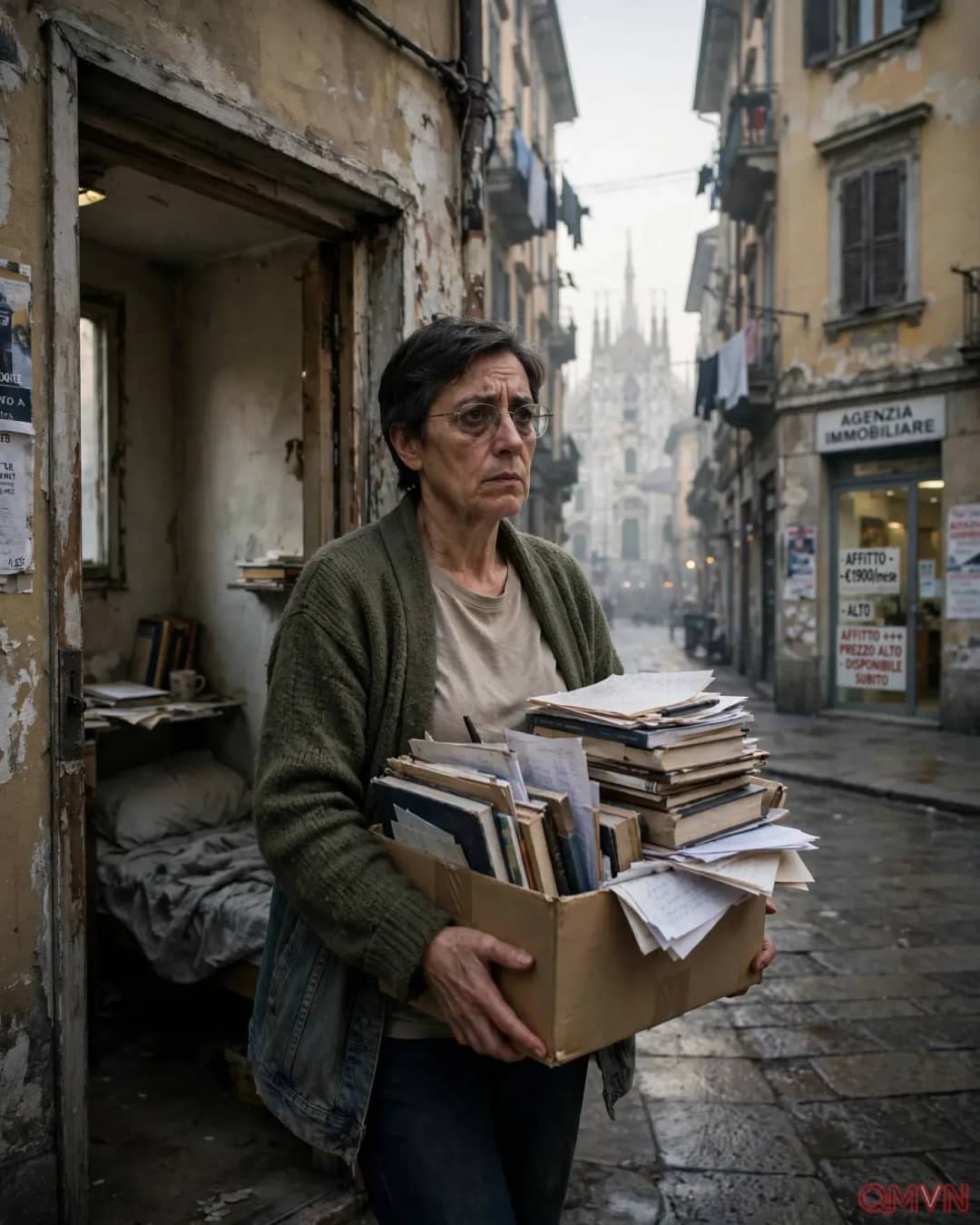
Massimiliano Matteri, 49, from Dongo, a small town on Lake Como, was thrilled when he landed a full-time job at a secondary school in Milan. But he soon found his salary was not enough to live on in Italy's financial capital. After three years in what he called a “cell-like” studio flat on the city's outskirts, he secured a transfer to Livorno on the Tuscan coast, bought a comfortable home and now has far less difficulty making ends meet.
“It was a spur-of-the-moment decision but I've never regretted it. I would never go back to Milan.” — Massimiliano Matteri, teacher of Italian literature and history
His experience is increasingly common. Milan's schools are struggling to recruit and retain teachers as soaring housing costs collide with nationally negotiated salaries that offer no premium for working in the country's most expensive city. According to data compiled by the CISL trade union, at the start of the summer some 4,300 teaching positions were available in the Milan metropolitan area ahead of the new school year – the highest in Italy, out of a total of 37,000 – and around a fifth remain vacant.
Three decades of stagnant wages
The situation highlights one of the biggest headaches facing Prime Minister Giorgia Meloni before a national election next year: chronic wage stagnation. According to the Organisation for Economic Co-operation and Development (OECD), inflation-adjusted salaries in Italy are lower than in 1990 – the only decline among more than 20 advanced economies analyzed.