MAIN STORY
A classroom experiment becomes a worldwide symbol
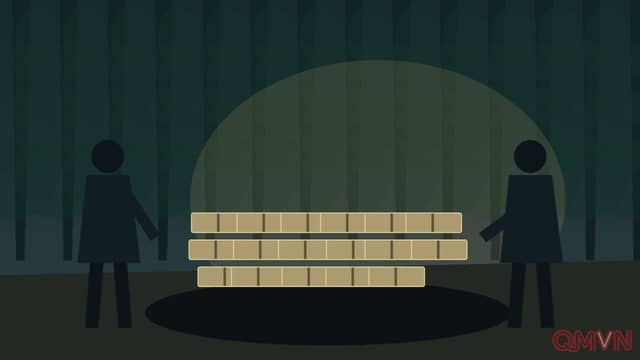
In 1974, Budapest design teacher Ernő Rubik sought a three-dimensional object whose pieces could move independently without falling apart. His wooden prototype contained 27 smaller blocks and turned along multiple axes. The immediate fascination was structural and artistic rather than commercial. Once he mixed the colored faces, even the inventor faced the challenge of restoring their order, making the finished object as much a question as an answer.
In 1977, approximately 5,000 units of the then-named Magic Cube reached specialty shops in the Hungarian capital. Interest rapidly surpassed what manufacturers in socialist-era Hungary could supply. Licensing agreements with foreign toy companies moved production abroad, where wider industrial capacity and distribution networks helped a local invention become a worldwide consumer phenomenon.
“Hungary is the home of the cube. The cube was born here.” — Ernő Rubik
Robots mark a different kind of homecoming
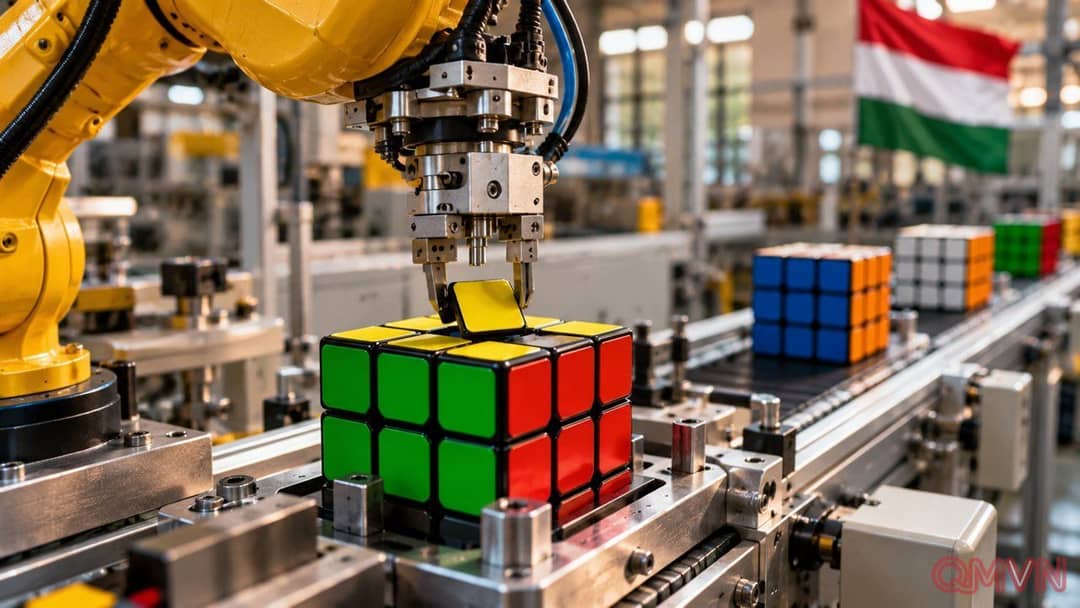
At the Jászberény facility, robotic arms assemble the cubes and check their movement and durability. The planned annual output is one million units, a production target rather than a tally already achieved.