A visit with diplomatic weight
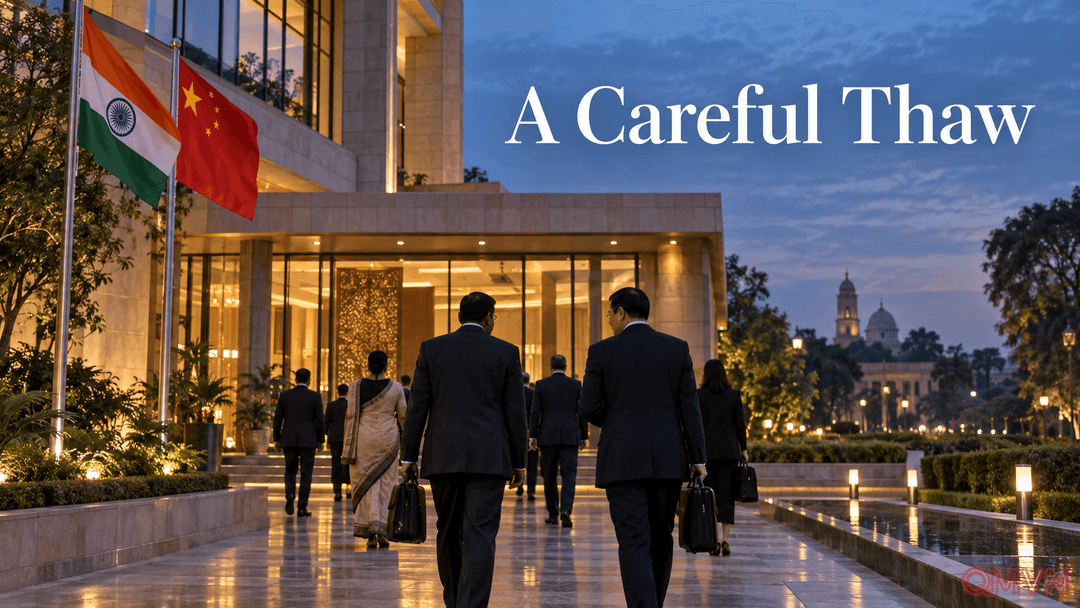
Xi Jinping’s first visit to India in seven years, for the BRICS summit in New Delhi, offers both capitals a visible opportunity to stabilise contact. The meeting is significant not because it erases disagreement, but because it brings senior political attention back to managing it. India and China are essential Asian powers whose decisions affect supply chains, energy markets and the diplomatic room available to many other countries.
The immediate value of a summit is often practical. Leaders can instruct officials to keep channels open, remove small administrative obstacles and make clear that rivalry need not become permanent paralysis. Such steps are modest, but in a relationship shaped by long pauses, modest movement matters.
The border remains the core test
The border dispute remains the central constraint. The deadly 2020 clash shattered confidence and led India to tighten scrutiny of Chinese investment, applications and companies. Since then, the two sides have taken steps to manage frontier tensions and restore dialogue, but the underlying boundary question is unresolved.
A diplomatic thaw is therefore not the same as strategic trust. Any improvement will depend on whether calm on the Line of Actual Control can be sustained, whether military and political channels work in parallel, and whether both governments avoid presenting tactical steps as final settlements.