India receives lower-than-expected U.S. tariffs in the fight against forced labor
The U.S. has announced a new round of tariffs under Section 301 of the U.S. Trade Act targeting 60 economies accused of not controlling imports of goods produced by forced labor. Among them, India, which had faced a 12.5% tariff, received a lower rate of 10%, along with 16 other countries including Canada, the United Kingdom, Bangladesh, and Pakistan.
This decision came after India revised its foreign trade policy on June 14, banning imports of products made by forced labor. U.S. Trade Representative Jameson Greer cited this change when placing India in the lower tariff group.
Tariff exemptions and levies by industry
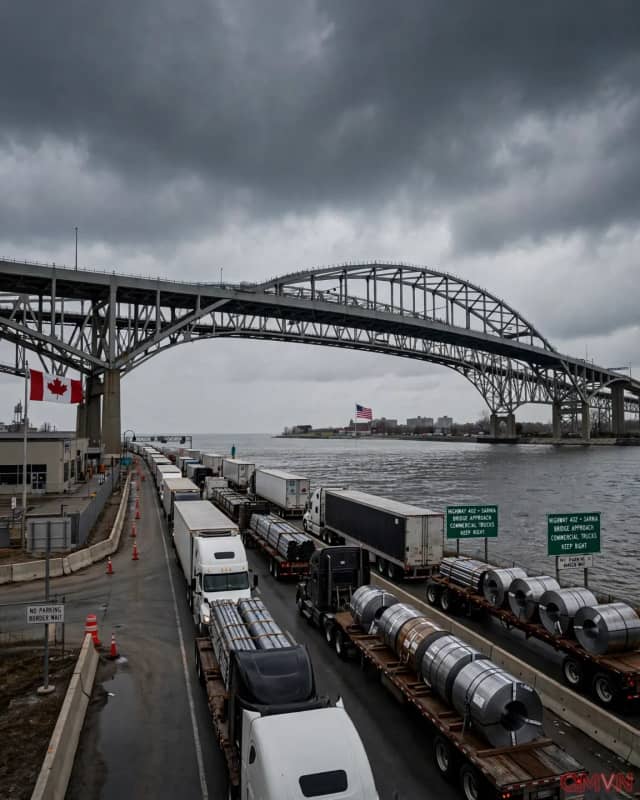
The new tariff does not apply to certain items such as raw pharmaceuticals and smartphones. However, India did not receive exemptions for the textile and apparel sectors as Bangladesh, Cambodia, Indonesia, and Malaysia did. In addition, steel, aluminum, copper, and automotive components are also exempt from tariffs because they have already been subject to high rates of 25 to 50% under previous U.S. regulations.
According to the Global Trade Research Initiative in New Delhi, approximately 70% of the value of India's exports to the U.S. will be affected by this new tariff.