MAIN CONTENT
The danger of calling every symptom normal
Her World’s What Women Want 2026 survey reported fatigue or weakness among 78.5% of respondents, mood changes among 69%, headaches or migraines among 37%, heavy bleeding among 30%, and irregular or unpredictable bleeding among 24.5%. These are responses from people who took part in the survey; they must not be presented as population-wide estimates of menstrual disorders in Singapore.
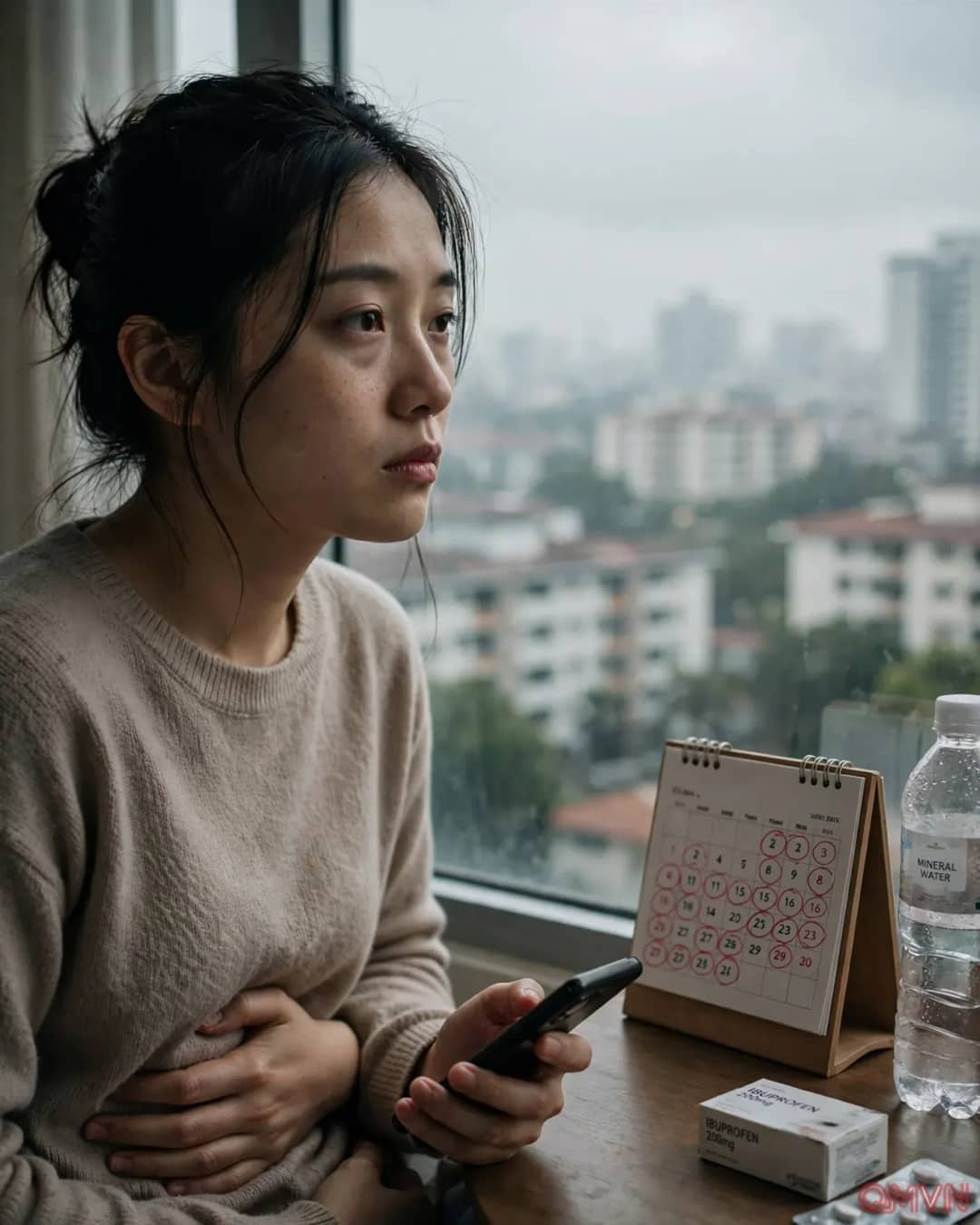
Among those who had not sought medical advice, 71% considered symptoms normal or manageable, while 27.5% were unsure how serious they were. This reveals a gap in health literacy rather than proof that half of women have a medical condition. A record of cycle dates, bleeding, pain, medication and disruption to work or school can turn vague worries into useful information at a consultation.
PMOS describes more than ovarian appearance
An international consensus published in The Lancet in 2026 chose polyendocrine metabolic ovarian syndrome (PMOS) as a new name for polycystic ovary syndrome (PCOS). The aim is to move beyond the misleading impression that the condition is chiefly about ovarian cysts.