MAIN CONTENT
An air raid and two conflicting accounts
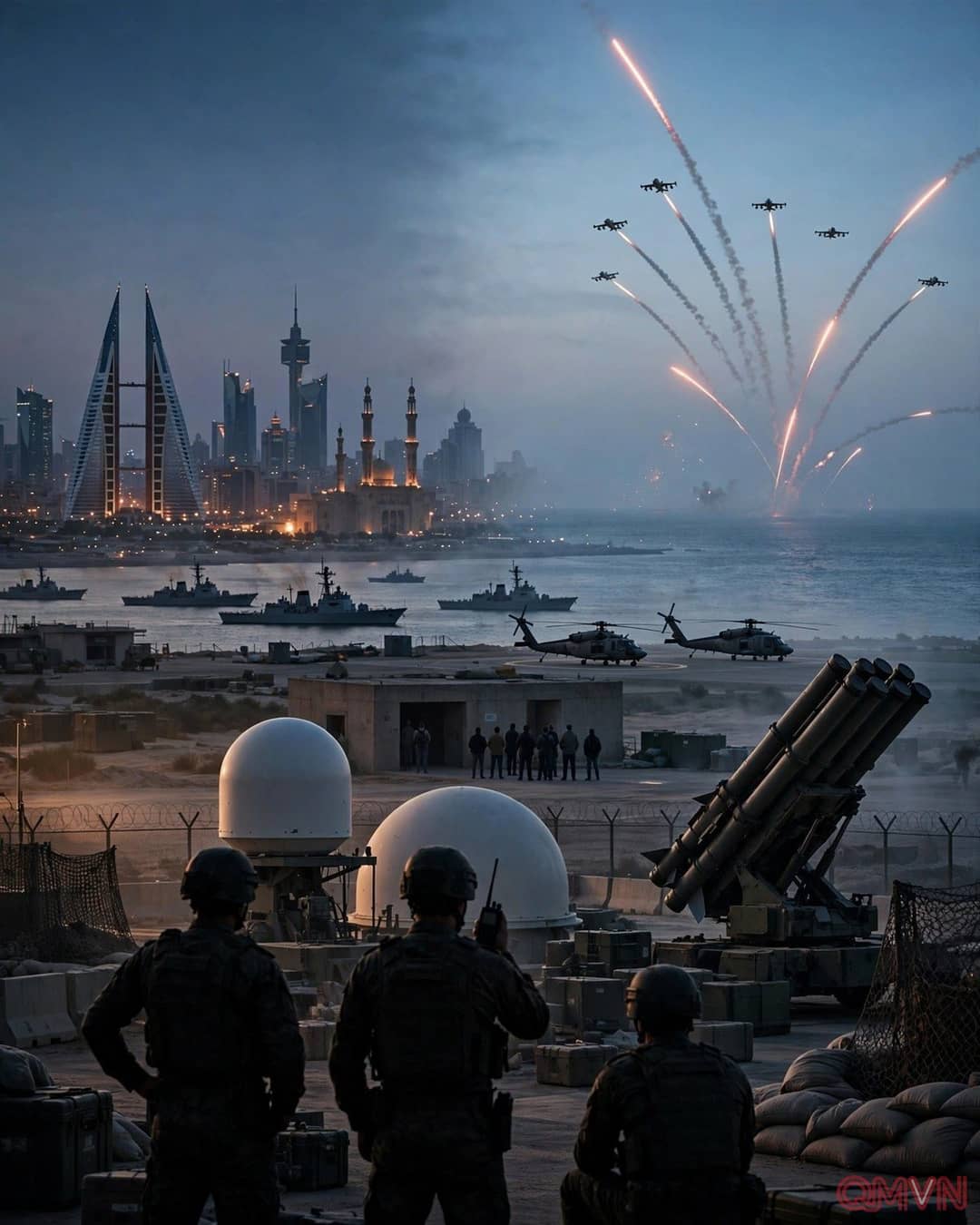
On Tuesday, the IRGC announced that its drones had targeted an American radar system at Sheikh Isa Air Base in Bahrain. The Iranian force portrayed the mission as a response to what it alleged were repeated violations of Iranian airspace by US military drones. That justification is Tehran’s account, not an independently established finding. Details about the launch sites, the number of aircraft involved and what the drones actually reached were not confirmed in the initial reports.
Bahrain said it had intercepted Iranian aerial attacks. US Central Command separately rejected the Iranian claim of a successful strike, stating that multiple one-way attack drones had been stopped without damaging US equipment or injuring American personnel. The crucial distinction is between launching weapons toward a site and hitting that site. Public statements from the opposing sides provide evidence of a confrontation, but not independent proof that the radar was struck. Reuters and other outlets reported the rival accounts on November 17.
Why Bahrain matters far beyond its size
Bahrain is not simply a geographical bystander. It hosts the headquarters of the US Navy’s Fifth Fleet, a major component of Washington’s military presence in the Gulf. A perceived threat to military sensors or bases therefore carries political meaning well beyond the island state.