MAIN CONTENT
A historic decision meets official defiance
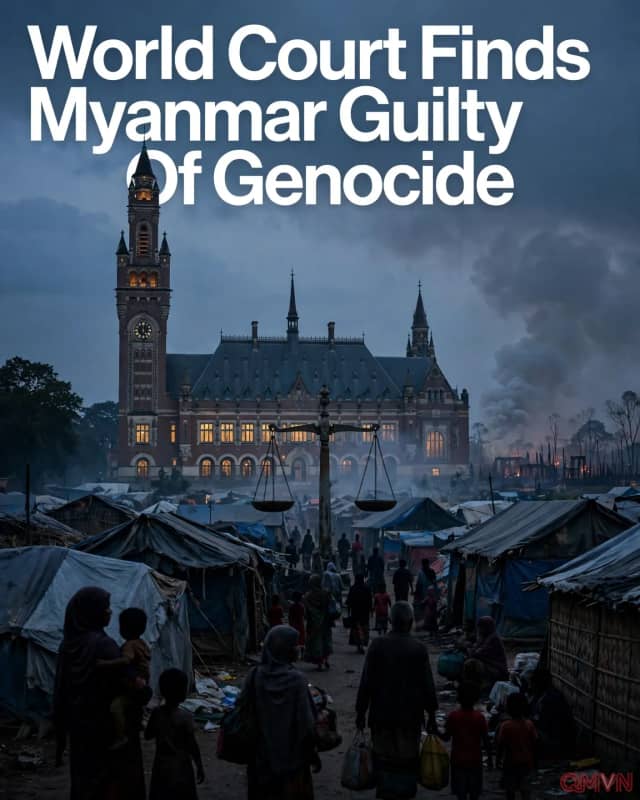
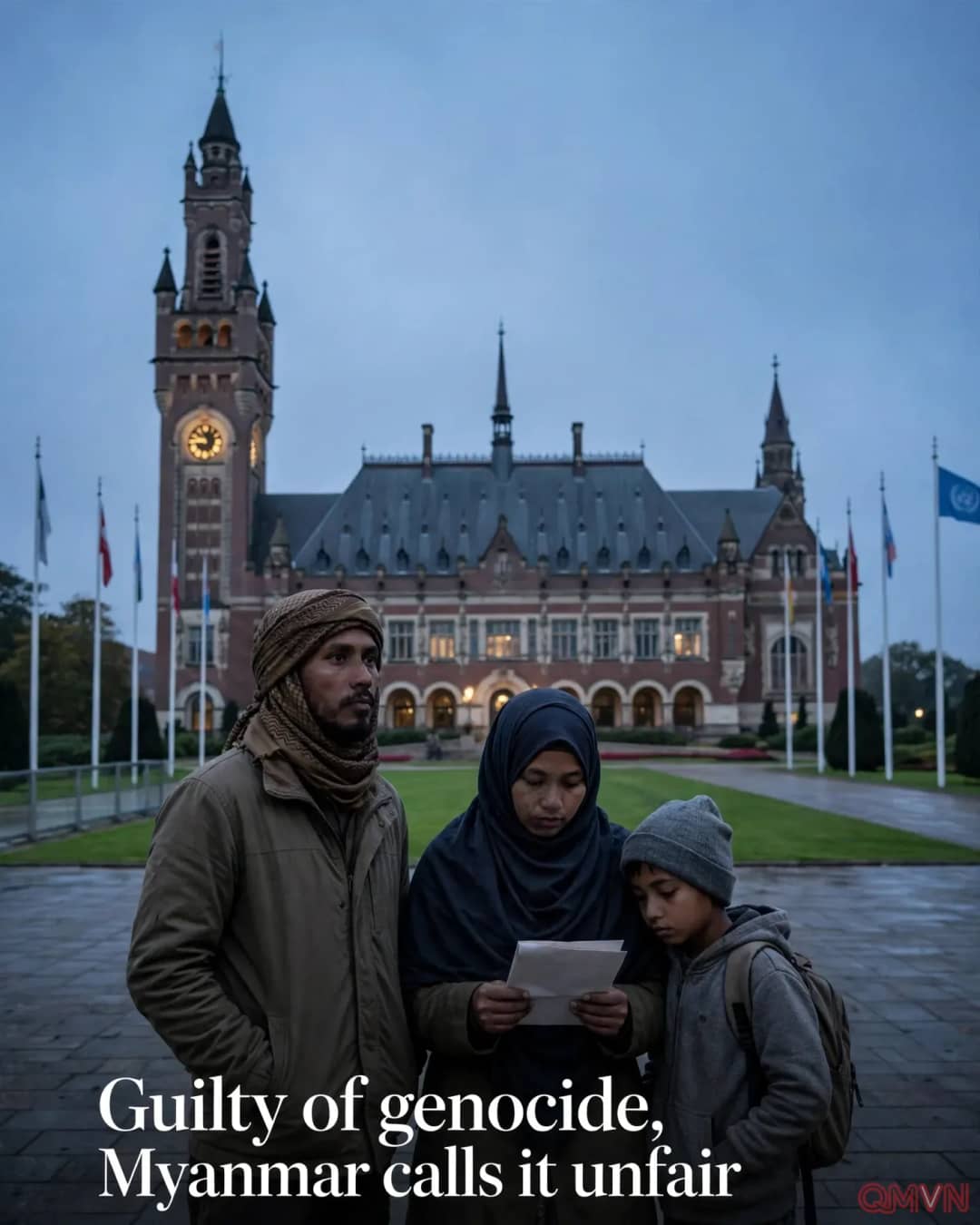
The Hague-based ICJ found that Myanmar bore state responsibility for genocide during the army's 2017 operations against the Rohingya. The court cited evidence of roughly 10,000 deaths, extensive sexual violence and the destruction of homes. A nine-to-six vote was enough for judgment; international courts do not require unanimity for a binding decision. Its significance is distinct from a criminal conviction of any individual: the ICJ adjudicates disputes about states' obligations, rather than sentencing military commanders.
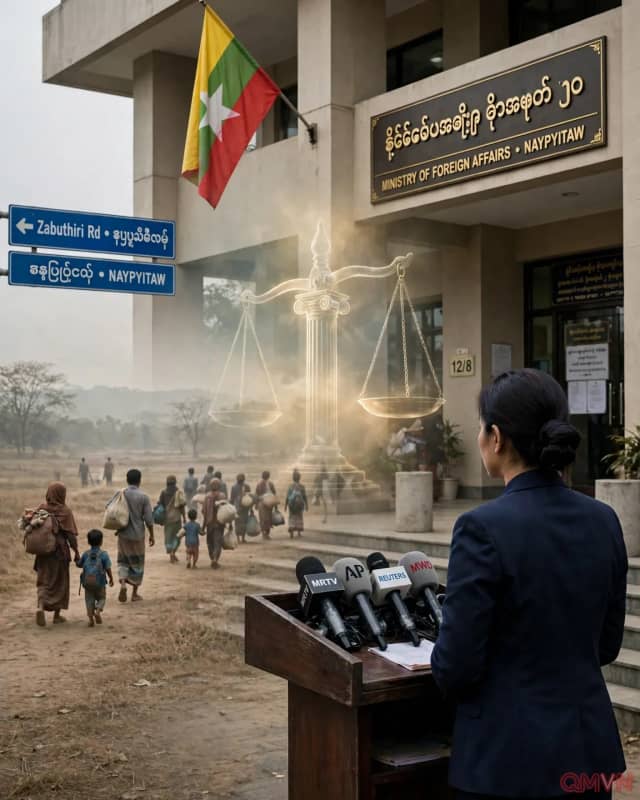
Government spokeswoman Khine Khine Soe described the split vote as grounds to call the result unfair, questioned the court's jurisdiction and promised a fuller response after reviewing its documents. Myanmar maintains that the operations responded to insurgent attacks. Those claims do not erase the court's findings, but they signal that cooperation is unlikely to be straightforward. China separately expressed concerns about overbroad judicial jurisdiction while saying it could help efforts to repatriate displaced people.
The distance between judgment and enforcement
According to coverage of the judgment by Associated Press and Reuters, the court instructed Myanmar to enable safe and voluntary return, pursue investigations and prosecutions, and pay compensation, whose amount would be considered in later proceedings. These are substantial obligations: a credible return requires personal safety, freedom from persecution, access to housing and opportunities to rebuild lives. No date for mass repatriation, enforcement operation or compensation payment was established simply by the verdict.