MAIN CONTENT
Washington turns to Southeast Asian gatekeepers
American Treasury representatives met regulators and national-security officials in Singapore and Malaysia during the week of November 20, according to Reuters. Their message was directed not only at public authorities but also at banks, legal advisers and other professional intermediaries whose services can determine whether suspicious payments, purchases or movements are detected. A Treasury official warned that businesses enabling sanctioned networks could face further action. The warning is a US enforcement position; it does not itself establish that the governments or industries involved committed violations.
The geography makes the outreach significant. Singapore is a major financial and maritime services centre, while Malaysian waters sit near busy regional shipping routes. Complex corporate ownership, vessel transfers and cross-border payments can make beneficial ownership and cargo origins difficult to establish. In practice, regulators must distinguish legitimate trade from attempts to conceal a prohibited counterparty, rather than treating entire sectors or nationalities as suspect.
Oil transfers, vessel identity and the problem of visibility
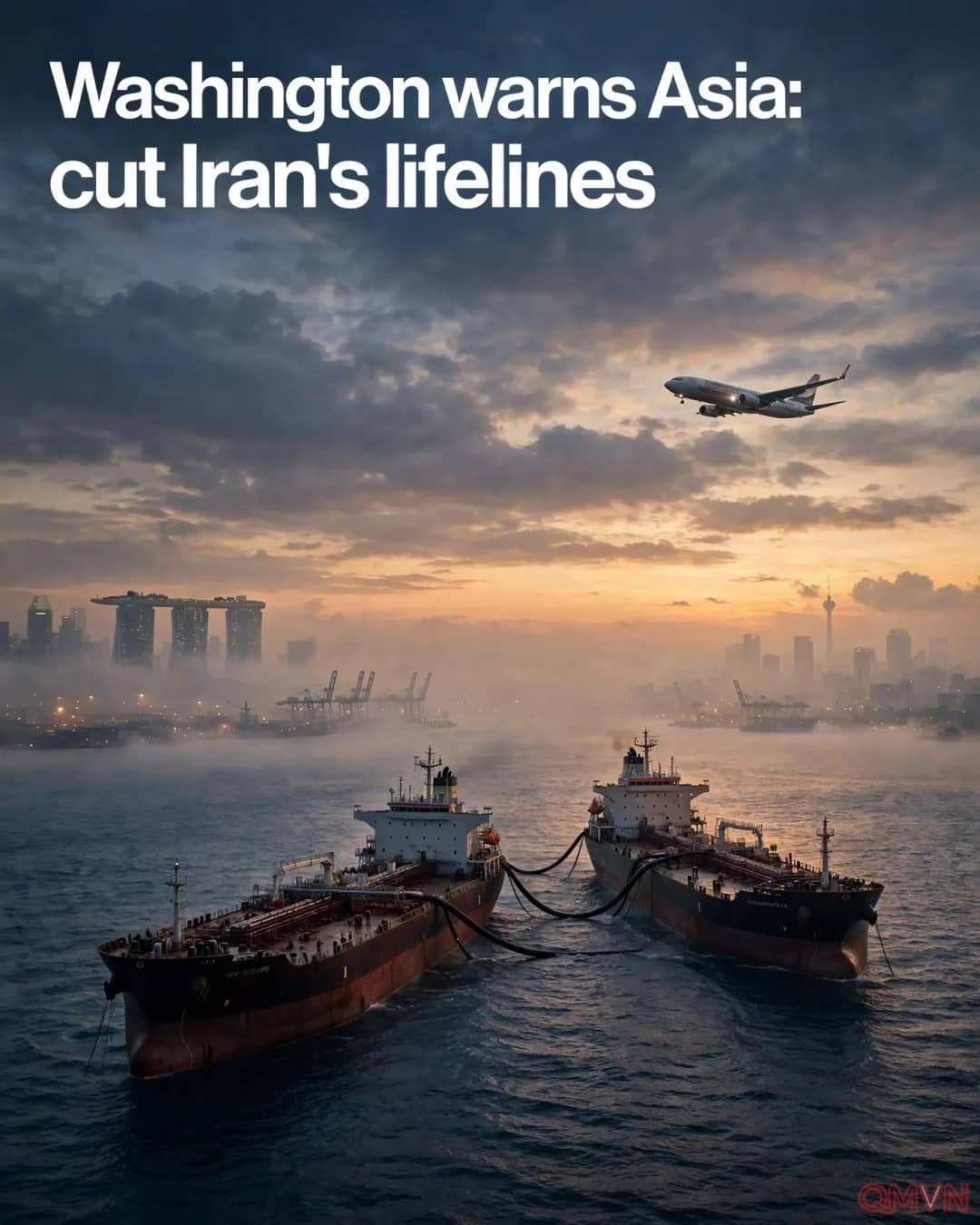
Reuters has documented ship-to-ship transfers in waters around Malaysia, Singapore and Indonesia, a practice that can be lawful but can also obscure where oil originated when combined with deceptive documentation or vessel movements. Malaysian authorities had announced closer enforcement of transfer rules and, according to the report, seized two tankers and cargoes in February. Such episodes explain why maritime insurers, ports, ship managers and banks are prominent in Washington’s risk warnings.
The US Treasury’s October 21 measures against alleged Iranian shadow-fleet facilitators included Singapore- and UAE-based shipping agents. Its November 4 measures likewise targeted a maritime network accused of helping Iran evade restrictions. These are official US designations and allegations, not findings that every linked shipment or commercial service is illicit. Screening therefore needs to be based on current designated-party lists, ownership, documented activity and relevant national laws.
Aviation connections add another layer
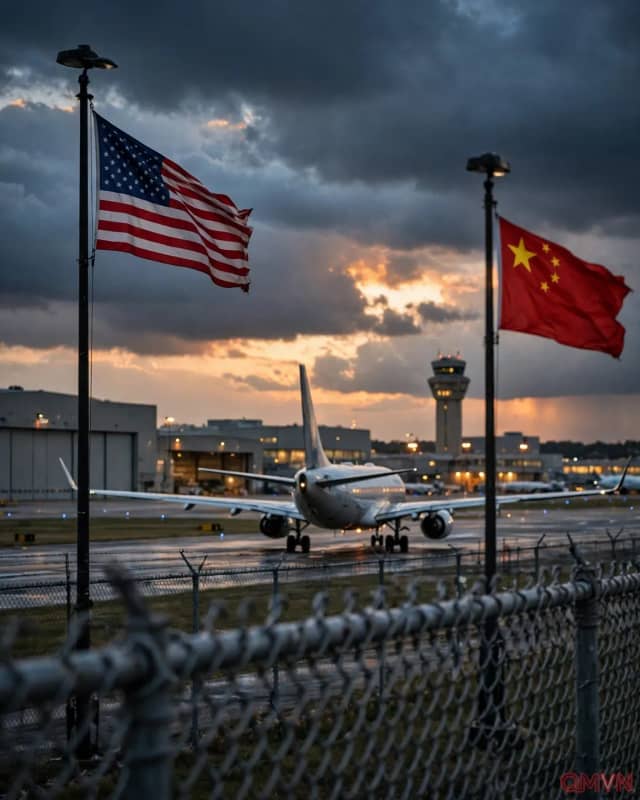
The Treasury delegation also raised an Iranian airline’s flights to Malaysia. Reuters identified a Tehran–Kuala Lumpur service operated by Iran Airtour, with a recorded flight on November 14 and a scheduled November 17 departure that did not operate.
The airline did not answer a request for comment. A flight schedule alone does not prove sanctions evasion; the concern is whether aircraft services, procurement, financing or maintenance involve prohibited parties or activities.
US measures announced in September targeted aviation-support entities in several jurisdictions, including Malaysia, over alleged assistance to Iranian aviation networks. This puts service providers in a difficult position: they need accurate sanctions data and legal advice before deciding what work to accept, while ensuring that compliance decisions are not confused with unverified accusations about individual passengers or businesses.
Singapore’s commitments and Malaysia’s choices
Singapore said it was committed to preventing misuse of corporate entities and reinforcing oversight in financial and maritime industries. Its Monetary Authority reminded institutions in a November 6 statement to manage money-laundering, terrorist-financing and proliferation-financing risks connected with Iran, and to follow applicable UN-related regulations. Singapore’s obligations under UN resolutions are distinct from the broader reach that US sanctions can have through American persons, dollar transactions and secondary-sanctions exposure.
Malaysia did not respond to Reuters’ requests for comment on this visit. The absence of a statement should not be mistaken for agreement or refusal. The country faces practical questions about monitoring vessel transfers, financial flows and aviation links without disrupting lawful trade. For international firms, the sensible response is documented due diligence, escalation of suspicious cases and legal review of applicable rules, not blanket conclusions about a whole market.
Economic pressure, humanitarian costs and what comes next
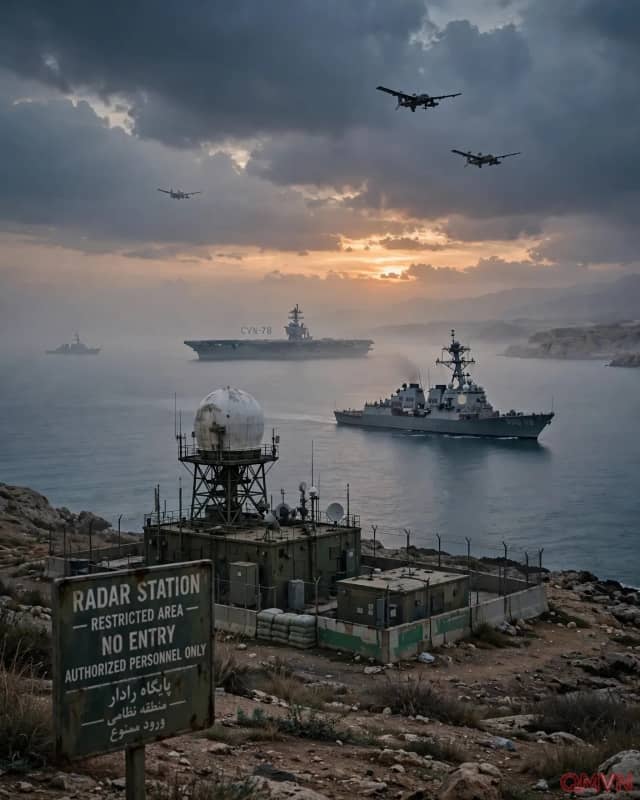
Washington describes the campaign, known as Operation Economic Outcast, as an effort to reduce revenue available to Iran during the conflict. US officials say enforcement has intensified economic pressure; those estimates and claims should be evaluated separately from independently established humanitarian outcomes. Broad restrictions can also complicate ordinary payments and access to permitted goods when banks avoid transactions beyond what the law requires.
The next test is whether authorities convert warnings into clearer guidance, better information-sharing and targeted enforcement. Businesses should watch official designations and general licences, verify ownership and counterparties, preserve shipping and payment records, and seek specialist guidance for exceptions. The broader lesson is that enforcement becomes more credible when it is specific, transparent and compatible with legitimate trade and humanitarian needs.