MAIN CONTENT
The investment rush encounters a harder market
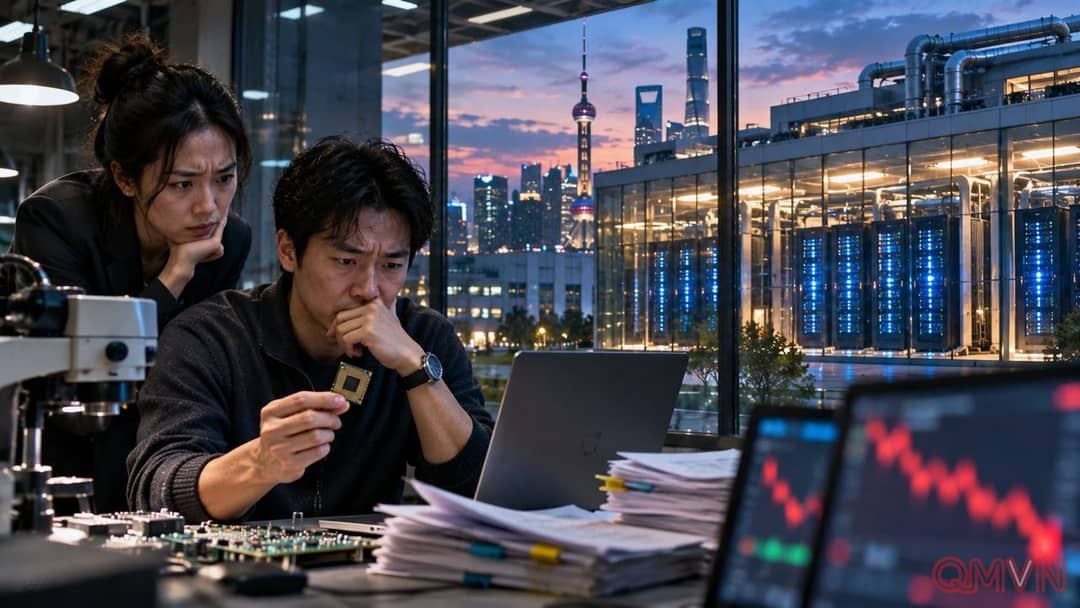
For retail investors, Chinese technology funds recently appeared to offer a shortcut to extraordinary gains. The subsequent swings have been sobering. A semiconductor-fund investor interviewed by the South China Morning Post described watching a spectacular paper return shrink sharply and realizing that he had underestimated risk. His experience illustrates the abrupt shift from enthusiasm for AI exposure to anxiety about losses and liquidity.
Reuters reported that the STAR 50 index had fallen roughly 40% from its summer peak by late October, with selling continuing into November. Hong Kong's Hang Seng Tech index also suffered a difficult October. These figures describe different snapshots, not one synchronized closing price, but together indicate a substantial reassessment of the premiums investors once assigned to future computing demand.
Falling share prices do not prove that AI has no economic value. They instead challenge the price investors should pay today for benefits that may not arrive for years. A persuasive model demonstration is less powerful in such a market than signed contracts, measurable adoption and a credible route toward positive cash flow.