MAIN ARTICLE
From diplomatic repair to a test of confidence
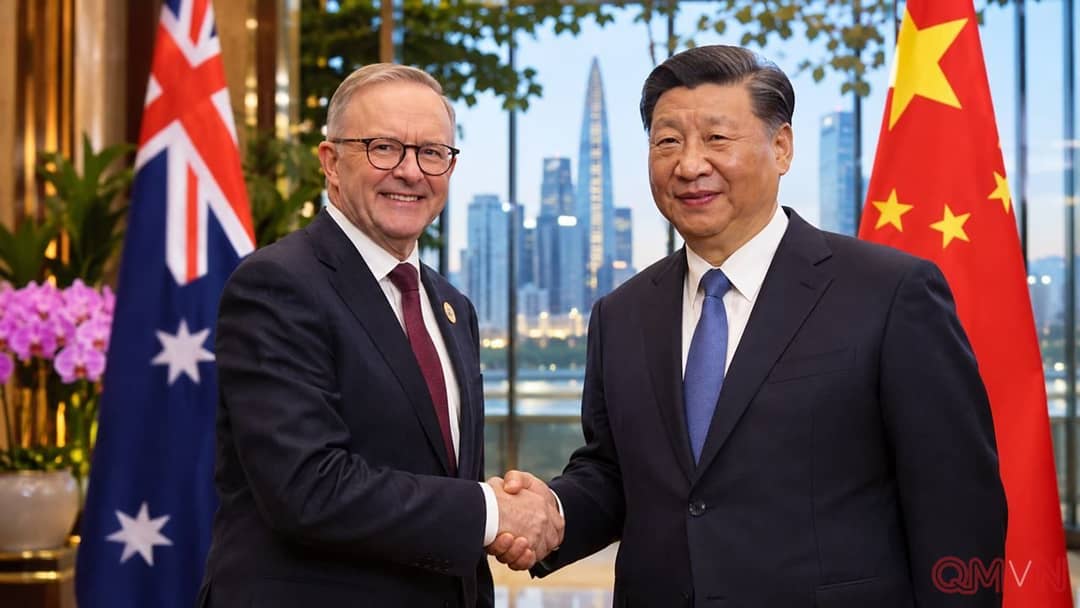
Xi's choice of language carried an unmistakable message. According to China's Xinhua news agency, he said the two countries had no historical grievances or fundamental conflicts of interest and should help each other succeed. Reuters described his assessment of the relationship as a comprehensive turnaround. Such remarks reflect a substantial change from the years when political disputes repeatedly spilled into commerce. They also set a demanding benchmark: confidence must be visible not only in leaders' meetings, but in the predictable treatment of companies and citizens.
Albanese has pursued a policy of stabilising relations without promising agreement on every contentious question. The distinction matters. Diplomatic normalisation can reopen ministerial channels, reduce the risk of misunderstanding and help exporters plan ahead. Trust, however, is harder to rebuild than trade flows. It requires repeated evidence that disagreements will be handled through communication rather than sudden retaliation.
The Shenzhen setting reinforced that message. APEC brings together economies whose prosperity depends on cross-border exchange even as geopolitical tensions intensify. In this setting, Beijing and Canberra could present dialogue as a practical choice rather than an ideological concession.